
 EN
EN
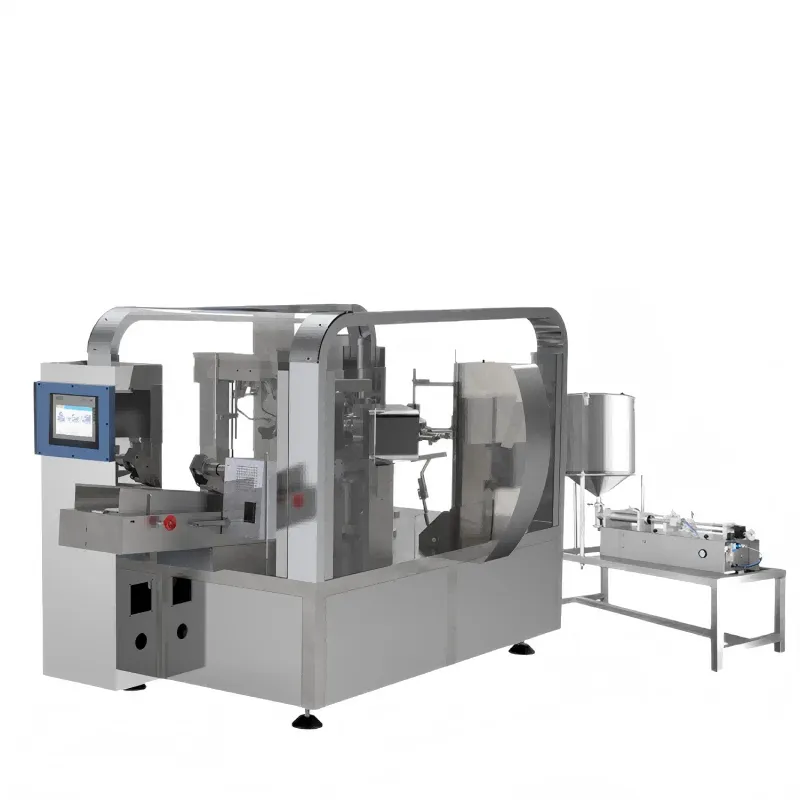
Pouch Structure Determines Packaging Machine Architecture
Stand-Up Pouches (Doypack) and Vertical Form-Fill-Seal (VFFS) Machines
VFFS packing machines have pretty much taken over when it comes to stand-up pouch packaging. These machines create the entire pouch including that important base gusset right from rollstock film, all while giving the pouches their ability to stand upright on store shelves in one smooth operation. Today's VFFS systems can crank out over 150 pouches every minute with filling accuracy within half a percent, which makes them perfect for those fast-paced food and drink operations where products need to look good on shelves and move quickly through production lines. There's one thing operators really need to watch though: film compatibility issues. Laminated materials especially demand careful attention to temperature settings during the sealing process otherwise those seals just won't hold up properly.
Pillow Pouches: Horizontal Form-Fill-Seal (HFFS) vs. Premade Pouch Fillers
HFFS machines are great for making those pillow-shaped snack pouches really fast. They form the pouch first across the machine then fill them, hitting speeds around 200 per minute for things like chips and crackers. The other option is premade pouch fillers which work with already formed bags instead. These tend to be better for products that break easily or have odd shapes since they handle them much more gently. According to research from Packaging Digest in 2023, companies saw about an 18 percent drop in wasted product when switching to premade systems for fragile goods because there's just less strain on the packages during the whole process. For most businesses looking to maximize output while keeping costs down, HFFS makes sense. But if the product needs special care, has unusual packaging requirements, or requires intricate branding details, going with premade fillers usually gives better results despite the higher initial investment.
Specialty Pouches — Side-Gusset, Three-Side Seal, and PacXpert® — and Their Dedicated Packaging Machine Requirements
When it comes to specialty pouches, manufacturers need specific machinery setups. For instance, side gusset pouches actually need those lateral sealing jaws to create those expandable sides. Three side seal pouches work differently, they really depend on those precision alignment systems to keep those seal edges consistent across production runs. Then there's the PacXpert style pouches which call for these dual action fillers that manage both expanding the bottom panel and dispensing the actual product at the same time. These kinds of specialized machines usually run around 40 to maybe 70 pouches per minute, which is definitely slower compared to regular VFFS or HFFS equipment, but this tradeoff is worth it if we want to maintain proper structural integrity. Temperature matters a lot when sealing materials too. Foil laminates generally need hotter temps, somewhere between 160 and 200 degrees Celsius, whereas those newer eco-friendly mono materials actually work better at lower temps, about 120 to 150 degrees. Before investing in any equipment, make sure the specs match up with what the pouch requires in terms of size variations and how the sealing layers are put together.
Product Form Dictates Filling Technology in Packaging Machines
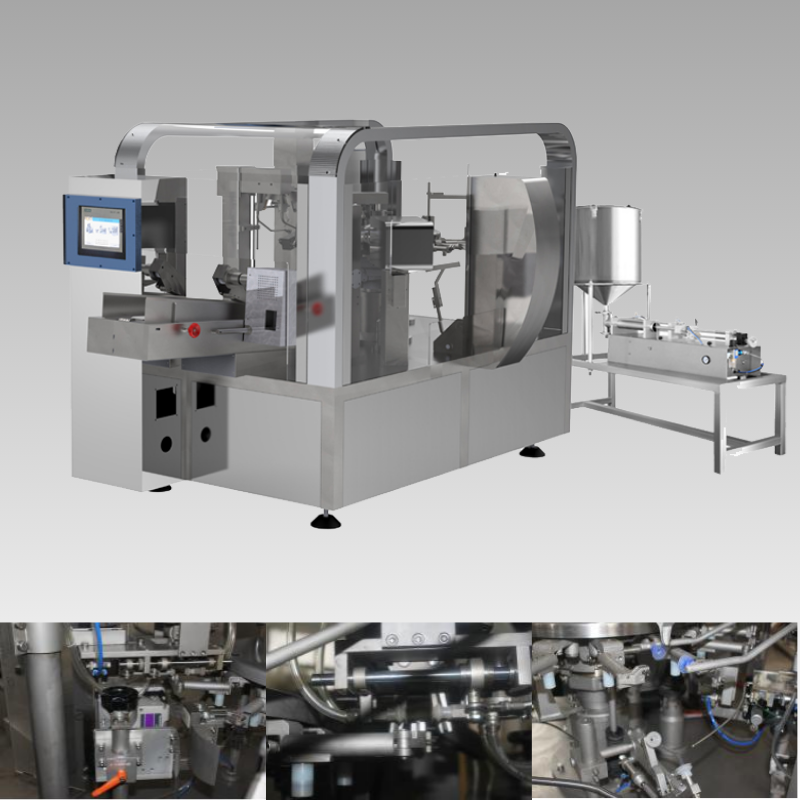
The physical state of your product fundamentally shapes the optimal filling method within packaging machines. Liquids, powders, and granules each demand distinct technologies to achieve accuracy, maintain hygiene, and support efficient production.
Liquid Products: Peristaltic, Piston, and Volumetric Fillers for Precision and Hygiene
When dealing with liquid products ranging from thin drinks to thick pastes, proper filling equipment becomes essential to avoid contamination issues and maintain accurate volumes throughout production runs. Piston fillers work great for those tricky materials like pulpy fruit purees or abrasive substances, achieving around half a percent accuracy according to Flexible Packaging Association data from last year. For applications where sterility is critical, peristaltic pumps stand out since they push product only through sealed tubing. This makes them particularly suited for things like medications and delicate food items where any chance of cross contamination just won't cut it. Volumetric fillers take another approach by controlling how long fluid flows, which works well for dispensing oils or industrial cleaners consistently every time. What ties all these systems together? They follow strict sanitation protocols meeting both FDA and EHEDG requirements, handle products gently without damaging them, and come equipped with either CIP or SIP functions for easy cleaning between batches.
Powders and Granules: Auger, Volumetric Cup, and Multi-Head Weighing Systems in Packaging Machines
When dealing with free-flowing materials like powders, granules, seeds, and flakes, manufacturers face several common issues ranging from dust generation to clumping problems and inconsistent density levels across batches. Auger filling systems work well for products that don't aerate during processing, such as sugar or flour, and these machines typically maintain around 1% accuracy which is pretty good for most applications. Volumetric cup fillers are another option, especially when handling uniform granular materials like rice or coffee beans. These systems use adjustable cups to measure out portions quickly. For situations requiring extremely high precision down to 0.1%, multi head weighers become necessary. These advanced systems handle tricky materials like spices or premium nutritional supplements where even small weight variations matter significantly. They achieve this by combining inputs from multiple hoppers simultaneously to reach precise target weights. When setting up any of these systems, it's important to consider factors like proper dust extraction equipment, ensuring all contact surfaces are made from polished stainless steel, and incorporating features that help prevent material bridging through controlled vibrations or agitation mechanisms.
Sealing, Integration, and Material Compatibility in Modern Packaging Machines
Spout Insertion and Dual-Function Packaging Machines for Spouted Pouches
Making spouted pouches needs special equipment that can both put on the spout and fill the package all at once. That's what those dual function machines are for. They take out the extra step where workers would normally add spouts later, which speeds things up and saves money on staffing. Getting everything aligned just right is super important too because otherwise there might be leaks when dealing with thick stuff like syrup or motor oil. Companies that are expanding their production lines often see around a 15 to 20 percent drop in running costs after switching to these integrated systems, plus they can keep producing over 200 units every minute. There are some key things to think about though. The type of spout matters a lot - does it work better as a screw cap or maybe a flip top? And the materials used need to hold up against the pressure inside when the machine fills them up.
Heat Sealing vs. Ultrasonic Sealing: Ensuring Integrity Across Laminated, Foil, and Eco-Materials
Material composition dictates the optimal sealing method:
| Method | Best For | Limitations | Integrity Assurance |
|---|---|---|---|
| Heat Sealing | Laminates, foil | High energy use | 99.9% leak-proof seals |
| Ultrasonic | Delicate eco-materials | Thickness constraints | Vibration-based molecular bonding |
Heat sealing fuses layers using controlled temperature and pressure—ideal for metallized films requiring robust barrier properties. Ultrasonic sealing uses high-frequency vibrations to bond temperature-sensitive bioplastics without thermal degradation. Both methods prevent contamination and extend shelf life when calibrated to material thickness, melting point, and layer structure.
FAQ
What is the main role of VFFS machines in packaging?
VFFS machines primarily create and fill stand-up pouches from rollstock film, efficiently producing over 150 pouches per minute with precise filling accuracy.
What sealing method is best for eco-materials?
Ultrasonic sealing is ideal for delicate eco-materials as it uses vibration-based molecular bonding, avoiding thermal degradation.
Why would a company choose premade pouch fillers over HFFS packing machines?
Premade pouch fillers are preferred for fragile or irregularly shaped products because they handle them more gently and reduce product waste during the packaging process.