
 EN
EN
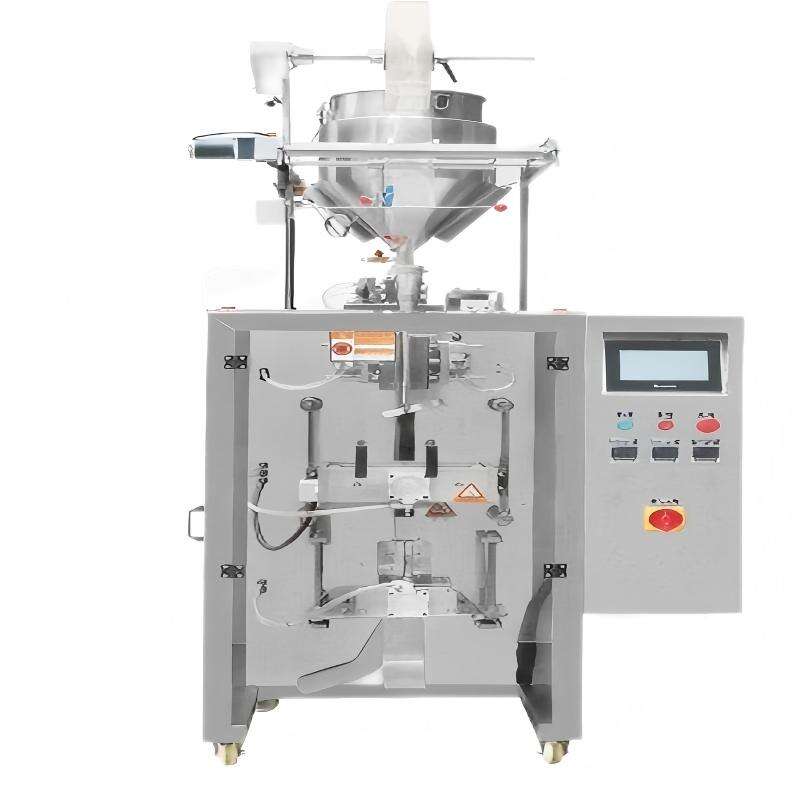
Why Automated Meat Packaging Equipment Is a Foundational Food Safety Control
Packaging as the final critical control point: Preventing post-lethality contamination of ready-to-eat meats
Meat packaging machines act as a major defense line against biological risks for those cooked and cured ready-to-eat meats we all consume. Once the killing treatments get rid of harmful bacteria, these products are still at serious risk until they're properly sealed. The danger period is real bad too. Studies show when people handle these meats manually, there's about triple the chance of getting contaminated with Listeria monocytogenes according to some recent research. That's why robotic systems have become so important. These machines move products without any human contact from the cooking chillers straight into clean packaging areas. They work in environments flushed with nitrogen gas which stops most airborne bacteria from growing. Plus, the sealing process creates much stronger barriers that stay intact during shipping and storage. Getting rid of human factors cuts down on mistakes made by workers by roughly three quarters compared to old fashioned methods. This makes automated packaging probably the best thing for food safety right before these products go into refrigeration.
Regulatory imperative: Aligning automated packaging with FSMA 21 CFR Part 117 and USDA-FSIS CCP validation requirements
The latest meat packaging machinery meets the requirements set forth in FSMA's preventive controls regulation (21 CFR Part 117), allowing for thorough and measurable validation at Critical Control Points (CCPs). The USDA-FSIS demands proof that packaging actually stops contamination after processing has occurred. This kind of assurance simply isn't possible with traditional methods. Automated systems featuring real time seal checks, HEPA filters creating controlled environments, and digital logs complete with exact timestamps are what make compliance feasible. These technological advances tackle major problems found in manual setups where monitoring tends to be hit or miss, environmental factors remain unpredictable, and handwritten documentation often contains mistakes or gets lost altogether.
| Validation Requirement | Manual Packaging Challenge | Automated Solution |
|---|---|---|
| CCP monitoring frequency | Human inconsistency | Real-time seal integrity sensors |
| Environmental pathogen control | Airflow/contact variables | HEPA-filtered positive-pressure chambers |
| Data traceability | Paper-based records | Digital audit trails with timestamps |
Facilities using automated packaging achieve 99.2% compliance in FSIS audits—versus 76% for manual operations—demonstrating its essential role in regulatory adherence and outbreak prevention.
Key Hygienic Design Features of Modern Meat Packaging Equipment
IP69K-rated robotics, NSF H1 lubricants, and clean-in-place (CIP)-compatible surfaces for high-risk environments
Modern meat packaging equipment integrates three non-negotiable hygienic design elements for RTE production zones:
- IP69K-rated robotics, certified to withstand high-pressure, high-temperature sanitation (up to 1,450 psi at 176°F), ensuring complete microbial removal between cycles;
- NSF H1 food-grade lubricants, formulated to pose zero chemical hazard if incidental contact occurs with product or packaging;
- CIP-compatible surfaces with surface roughness ≤ 0.8 μm Ra, eliminating micro-crevices where biofilms form.
Together, these features reduce biofilm formation risk by 92% compared to conventional equipment—critical in environments where Listeria persists despite routine cleaning.
Case evidence: EU-certified lamb line achieves 99.3% surface bioburden reduction using advanced meat packaging equipment
A lamb processing facility certified by the EU saw nearly a 99.3% drop in surface bacteria levels once they started using specialized meat packaging machines with automatic dry steam cleaning cycles. The equipment's electropolished stainless steel parts and completely sealed connections kept Enterobacteriaceae counts extremely low throughout 12,000 hours of operation, which actually goes beyond what EU Regulation 852/2004 requires for hygiene standards. What this shows is that when facilities invest in equipment specifically designed for cleanliness, they meet USDA-FSIS Critical Control Point requirements naturally, rather than having to create extra procedures just to comply with regulations.
How Automation Reduces Pathogen Transmission in Meat Packaging
Eliminating manual handling: Vision-guided robotic pick-and-place cuts norovirus and Listeria cross-contamination by up to 78%
Robotic systems guided by vision technology take humans out of the equation during crucial food handling steps, which helps eliminate common sources of contamination like dirty gloves, under fingernails, and workbench surfaces. Meat processing plants have long struggled with this issue since studies show that roughly two thirds of all surface contamination comes directly from worker hands. When these robots handle the movement of products from chill tunnels right into sealing stations, they literally cut off one of the main ways pathogens spread through the facility. The machines work with incredible accuracy within cleanrooms, keeping everything sterile day after day without getting tired, distracted, or making those little mistakes people sometimes do when they're rushed or fatigued.
Data-backed impact: USDA-FSIS 2023 audit shows 42% average drop in Listeria monocytogenes incidents after meat packaging equipment automation
According to a recent USDA-FSIS industry audit from 2023, plants that had switched to automated packaging saw about 42 percent fewer cases where they detected Listeria monocytogenes compared to places still using manual packing techniques. Why does this happen? Well, automated systems maintain much better control over their environments. For instance, these machines operate within temperature controlled robotic cells which stop condensation from forming. Plus, everything is completely enclosed so airborne particles and other contaminants get contained much better than what happens at traditional open workstations. The benefits go beyond simply cutting down on staff requirements. When companies automate their processes, they actually build in safety measures right into how the whole system works physically.
Ensuring Packaging Integrity Across Cold Chain Conditions
Precision sealing force calibration and MAP film compatibility to prevent micro-tears at -10°C—critical for vacuum-sealed meat packaging equipment reliability
Cold storage at around -10 degrees Celsius makes standard packaging films brittle and likely to develop tiny cracks. These cracks compromise the protective barrier and let harmful bacteria like Listeria get inside during transport in freezing conditions. Meat packaging machines address this problem by adjusting sealing pressure dynamically. The equipment reads film thickness measurements and changes pressure accordingly as it works. When these machines are used with specially designed MAP films validated for cold chains that have EVOH layers, seals stay strong even when temperature fluctuations occur. Real world tests show that properly calibrated machines cut down on these small tears by about two thirds compared to what happens with manual systems. For reliable results, companies need to check if their films work well together using ASTM F88/F88M-15 cold peel tests. Getting the materials wrong can actually make leaks seven times more likely in freezing situations. Combining mechanical precision with polymer science creates packaging solutions that keep vacuum sealed meats safe throughout challenging cold chain journeys from factory to freezer shelf.
FAQ
Why is automated meat packaging considered a foundational food safety control?
Automated meat packaging is critical for food safety as it minimizes human contact post-production, reducing the risk of contamination from pathogens like Listeria. The packaging process in controlled environments ensures that the meats are safely sealed, preserving their quality during storage and transport.
How do automated packaging systems comply with regulatory standards?
Automated systems are equipped with real-time seal checks, HEPA filters, and digital logs, which fulfill FSMA's preventive controls regulation (21 CFR Part 117) and USDA-FSIS CCP validation requirements. They provide precise and documented evidence necessary for regulatory compliance.
What are the hygienic design features of modern meat packaging equipment?
Key features include IP69K-rated robotics for high-pressure sanitation, NSF H1 food-grade lubricants, and CIP-compatible surfaces that prevent biofilm formation, crucial for maintaining hygiene standards in RTE production zones.
How does automation reduce pathogen transmission?
Automation removes manual handling, which is a major source of contamination. Vision-guided robotics ensure safe product handling, reducing cross-contamination of norovirus and Listeria by up to 78%.