
 EN
EN
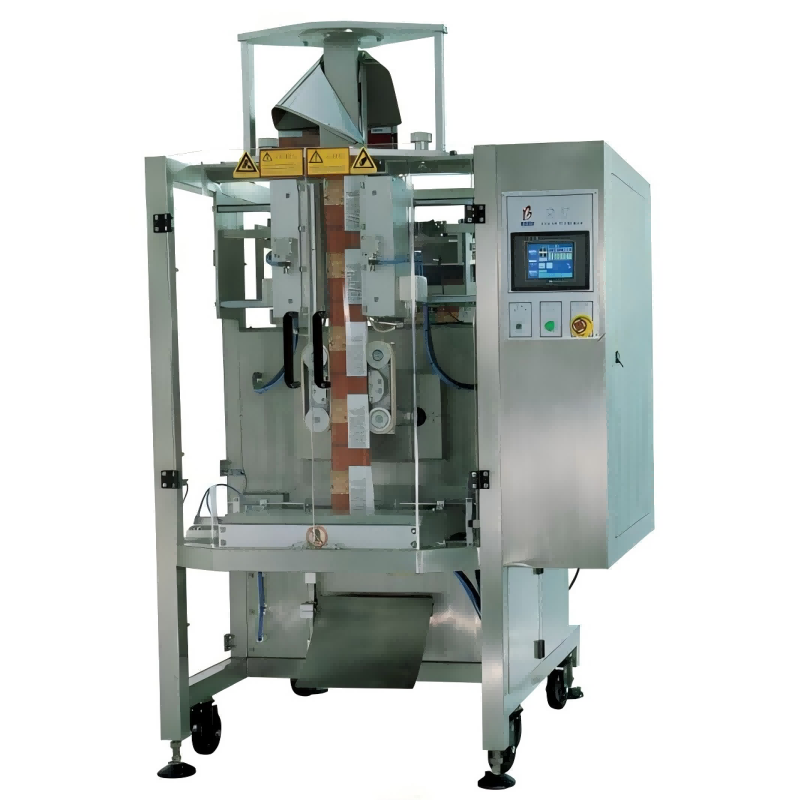
Core Operational Principles: How VFFS and Horizontal Packaging Machines Work
VFFS Packaging Machines: Continuous Form-Fill-Seal in a Vertical Axis
Vertical Form-Fill-Seal or VFFS packaging machines work by pulling film down from a roll through what's called a forming collar, which creates this vertical tube shape as it goes along. Products come in through the top opening of the collar. Gravity does most of the work here for things like granules, powders, and those little solid items that need packaging. The machine has these sealing jaws that do double duty actually forming both the bottom seal of one pouch while making the top seal ready for the next one right after. That's how they manage continuous operation without stopping between packages. Some of the better models out there can handle anywhere from 60 to 200 packages every single minute according to recent data from the Industry Efficiency Institute back in 2023. These systems work with all sorts of materials too including laminates, aluminum foil, and even some eco-friendly bioplastics that have been certified as recyclable. What makes them stand out is their compact design that takes up minimal floor space yet still manages good production rates, something manufacturers really appreciate when space gets tight on factory floors.
Horizontal Packaging Machines: Handling Pre-Made Pouches, Flow Wraps, and L-Seals
Horizontal packaging machines process pre-formed pouches or roll-fed film on a linear plane. Products move along a conveyor into advancing film webs, where pouches are formed around them—ideal for snack bars, medical devices, or fragile items. Key configurations include:
- Flow Wrappers: Encase elongated products in pillow-style wraps
- L-Sealers: Produce side-sealed, tamper-evident pouches for liquids or sensitive components
- Pre-Made Pouch Systems: Fill externally supplied stand-up or zipper bags with precision
Unlike VFFS, horizontal systems readily integrate heavier closures—spouts, caps, zippers—and support sterile, heat-sensitive fills or gentle handling that avoids vertical drops. This makes them uniquely suited for applications where product integrity, regulatory compliance, or format complexity outweigh raw speed.
Product and Packaging Format Compatibility
Matching Product Characteristics—Solids, Granules, Liquids, and Fragiles— to Packaging Machine Architecture
Vertical Form Fill Seal machines work best for stuff that flows easily under gravity, such as granules, powders, and tiny solid bits. These machines really shine when dealing with materials sensitive to moisture absorption because they minimize air exposure during filling, which matters a lot in industries like pharmaceuticals. The vertical movement of these machines means products spend less time sitting around and have less contact with the environment. On the flip side, horizontal machines tend to be better suited for handling liquids, thick pastes, and delicate items. With these systems, products get placed gently into already formed pouches or trays, so there's no risk of damage from impacts or shearing forces. Horizontal setups can actually handle odd-shaped items too, think electronics components, fresh baked goods, or even medical supply kits, thanks to special tooling arrangements and sideways positioning features that regular VFFS machines just don't offer. When manufacturers match their product characteristics like flowability, brittleness level, and thickness with the right kind of machinery, they typically see about an 18% reduction in packaging waste according to recent research published last year in packaging efficiency journals.
Packaging Format Flexibility: Stand-Up Pouches (VFFS) vs. Pillow Packs, Flow Wraps, and L-Seals (Horizontal)
VFFS remains the go-to choice for producing large quantities of stand-up pouches, including those with reseal features and spouts commonly used for snack packs and concentrated liquids. These systems typically achieve around 90% film usage efficiency when making pillow pack styles. Horizontal packaging solutions bring something different to the table though. They handle a wider range of formats. Flow wrappers work great for securing nutrition bars and candies, while L sealers create completely sealed, tamper-evident packages needed in medical applications. Pre made pouch systems also allow for more intricate retail-ready designs like gusseted bags with windows or uniquely shaped containers. The main drawback of VFFS is that changing formats means swapping out entire rolls of film, whereas horizontal machines can quickly switch between tray sealing, flow wrapping, and pouch filling operations. This makes them particularly attractive for companies that regularly update their packaging every quarter or so. Still worth noting though, VFFS continues to hold a strong total cost of ownership edge when dealing with consistent, high-volume production runs across stable product lines.
Performance, Space, and Total Cost of Ownership
Throughput Realities: 60–200 ppm (VFFS) vs. 40–120 ppm (Horizontal)—Account for Downtime and Changeover Efficiency
Vertical form fill seal machines can handle anywhere from 60 to 200 packages per minute when dealing with free-flowing products because they work continuously without stopping and benefit from gravity during filling. The horizontal versions usually manage around 40 to 120 packages per minute but face limitations since they need to pause periodically for tasks like loading pouches, moving products into position, and completing the sealing process. When it comes to actual production numbers, changeover times make a big difference too. Adjustments on VFFS machines generally take between 5 and 15 minutes for things like swapping out film rolls or changing collars. Horizontal machines take much longer though, often over 20 minutes just to switch between different modes like flow wrap versus L-seal configuration or tweak conveyor settings for trays. Looking at unplanned downtime reveals another advantage for VFFS technology. Horizontal wrappers tend to have about 12 to 18 percent more annual stoppages caused by issues like pouch misfeeds, problems with film tracking, and jams. These problems happen more frequently with horizontal systems simply because they contain more complex mechanics and depend heavily on parts aligning precisely during operation.
Footprint and Facility Integration: Vertical Stack Efficiency vs. Linear Layout Demands
Vertical form fill seal (VFFS) units really save floor space because products move vertically through the machine. Most setups take up less than 15 square meters even when equipped with check weighers, metal detectors, or date coders are included. Horizontal systems work differently; they need straight-line arrangements where standard installations can stretch between 25 and 40 square meters just for the conveyor belts, forming area, cooling sections, and storage after processing. That's why VFFS machines fit so well in factories where space is tight or during plant upgrades. On the other hand, horizontal lines make more sense for new construction projects with plenty of ceiling height and room for future expansions in modules.
TCO Comparison: Upfront Investment, Maintenance Burden, and Spare Parts Accessibility for Packaging Machines
Total Cost of Ownership (TCO) must weigh purchase price against energy use, maintenance frequency, material waste, and residual value. Although horizontal machines often carry 15–30% lower initial costs, VFFS delivers measurable long-term advantages:
- Energy Efficiency: Simplified mechanics and fewer actuators reduce power consumption by ~20%
- Material Waste: Film misalignment and web tension issues cause 8–10% waste in horizontal systems versus just 2–3% for well-calibrated VFFS lines
-
Maintenance Burden: Horizontal sealers require ~30% more annual servicing hours due to higher-part-count sealing heads, servo-driven conveyors, and multi-axis synchronization
Residual value reinforces this: high-duty VFFS units retain ~40% of original value after five years—versus ~25% for comparable horizontal machines—reflecting their durability in continuous, high-cycle operations.
Line Integration and Industry-Specific Suitability
Feeding System Compatibility: Weighers, Auger Fillers, and Robotics with VFFS vs. Horizontal Packaging Machines
Vertical form fill seal systems work really well with overhead feeding equipment such as multihead weighers, auger fillers and those vibratory feeders we all know about. The material just drops down into the forming collar through gravity which makes things much simpler when it comes to automating the whole process. Robotic arms can grab those filled pouches right at the discharge end without needing much in terms of floor space or complicated infrastructure setup. Horizontal models are different though. They need everything timed just right between conveyors, those pick and place robots, and how the film moves along. This means engineers have to be extra careful with measurements and controls get pretty complex. Because of their straight line design, horizontal machines handle products placed sideways better. That's why they're often preferred for already packed goods, assembled trays, or anything where specific orientation matters during loading.
Top Industry Applications: Food, Pharma, and Consumer Goods Use Cases for Each Packaging Machine Type
When it comes to food production lines, vertical form fill seal machines rule the roost for snack foods, breakfast cereals, coffee products, and pet food applications. These systems can crank out those stand up pouches at rates between 60 and 200 per minute pretty reliably most of the time. Pharma companies take a different approach altogether, sticking mostly with horizontal equipment for things like blister packs, sterile L-sealed medical device trays, and various vial or carton wrapping operations. Why? Because they need gentle product handling, must maintain ISO standards in their facilities, and require detailed validation records that just can't be compromised. Manufacturers across consumer goods tend to divide their machine usage based on what works best. Horizontal wrappers get used for boxed electronics, beauty products, and hardware tool kits where looks matter a lot. Meanwhile, VFFS machines handle stuff like liquid soap refills, portion-controlled vitamin packs, and those flexible pouch treats for pets. At the end of the day, these decisions come down to what matters most operationally speaking food producers care about speed and volume, pharma folks demand exactness and regulatory compliance, while consumer goods companies try to juggle eye-catching packaging, environmental concerns, and keeping up with changing product offerings.
FAQ Section
What is a VFFS Machine?
A VFFS machine is a Vertical Form-Fill-Seal equipment used to create pouches from a roll of film, filling them with products and sealing them, all in a vertical axis.
What are the primary products used in Horizontal Packaging Machines?
Horizontal machines typically handle pre-made pouches, flow wraps, and L-seals, catering to items like snack bars, medical devices, and fragile products.
Which machine is more efficient in terms of space utilization?
VFFS machines are more space-efficient due to their vertical stacking design, making them ideal for factories with limited floor space.
Table of Contents
- Core Operational Principles: How VFFS and Horizontal Packaging Machines Work
- Product and Packaging Format Compatibility
-
Performance, Space, and Total Cost of Ownership
- Throughput Realities: 60–200 ppm (VFFS) vs. 40–120 ppm (Horizontal)—Account for Downtime and Changeover Efficiency
- Footprint and Facility Integration: Vertical Stack Efficiency vs. Linear Layout Demands
- TCO Comparison: Upfront Investment, Maintenance Burden, and Spare Parts Accessibility for Packaging Machines
- Line Integration and Industry-Specific Suitability