
 EN
EN
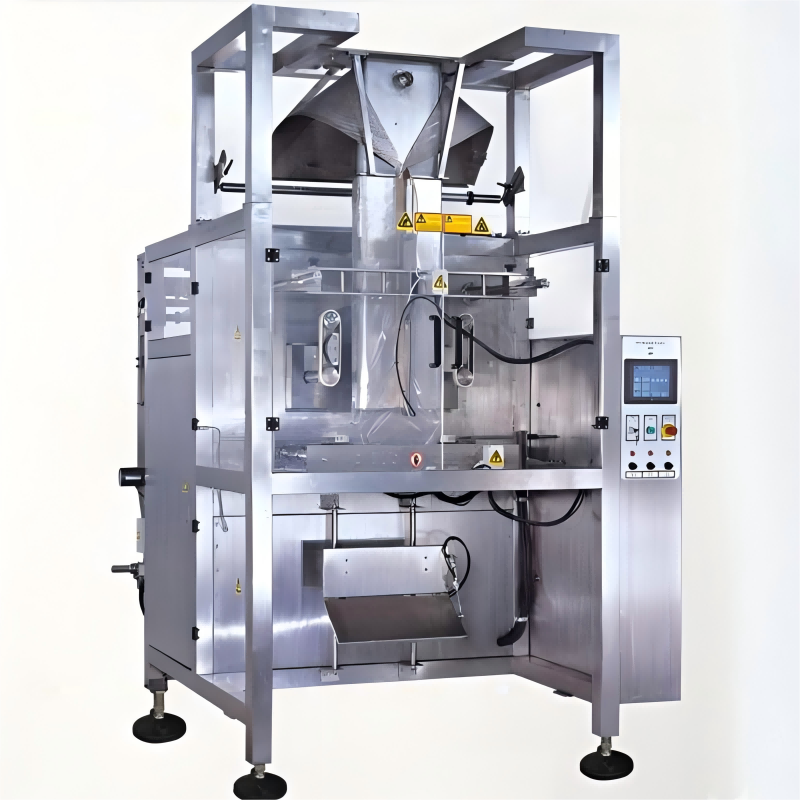
Understanding Core Meat Packaging Technologies and Their Operational Fit
How vacuum sealing, MAP, and vacuum skin packaging differ in mechanism, equipment requirements, and line integration
When we talk about vacuum sealing, what happens is that all the ambient air gets removed from the package prior to applying heat seals. For bigger cuts of meat, manufacturers tend to use chamber machines, whereas smaller retail portions usually go through external sealers. Modified Atmosphere Packaging or MAP works differently by replacing oxygen inside the package with specific gas mixtures like carbon dioxide and nitrogen combinations, or sometimes higher oxygen levels for things like fresh red meats. This approach needs special equipment including gas flushing units, mixing devices, and systems to check for leaks. Vacuum Skin Packaging (VSP) takes another route entirely. It involves heating a flexible film that then conforms tightly around both the product and its container when placed under vacuum conditions. Specialized thermoforming machines are necessary here, ones that can control temperatures precisely and manage the vacuum sequence correctly. How these systems integrate varies quite a bit. Most vacuum sealing operations can actually fit right into existing production lines without much trouble. But MAP and VSP generally need their own dedicated areas because of the way they handle gases, manage heat, and maintain proper hygiene standards throughout processing. Looking at production speeds tells us something too. Basic vacuum sealers run anywhere from 5 to 15 cycles per minute. Rotary MAP lines are much faster, often producing over 40 packages each minute. High speed VSP systems fall somewhere in between at around 25 to 35 trays per minute and typically come with complete automation built in.
Key considerations for meat processors: throughput needs, product format (primal vs. retail-ready), and compatibility with existing meat packaging machines
Volume matters most when choosing packaging solutions. Facilities handling over 10 tons per day typically see real gains from going fully automated with MAP lines. But for the smaller shops processing less than 2 tons daily, semi-automated vacuum systems usually offer better returns on investment. What we package also determines what works best. Vacuum sealing handles those heavy, awkward primal cuts really well. Modified atmosphere packaging shines for pre-portioned trays where appearance and how long products stay fresh counts. Vacuum skin packaging gives that clean look without drips and supports delicate items ready for retail display, think sliced deli meats or marinated steaks. Don't skip compatibility checks either. Trying to retrofit gas injection onto old vacuum lines will probably end up costing around 40% extra compared to just buying a new standalone VSP unit. And watch out for bad combinations too. Packing something fragile like prosciutto in stiff vacuum bags leads to tears about 15% of the time, which means wasted product and safety issues down the line. Better to match what gets packaged with what equipment can handle it rather than getting caught up in the latest tech fads.
Shelf Life, Safety, and Quality Outcomes by Packaging Method
Microbial inhibition and spoilage delay: Vacuum vs. MAP vs. VSP performance across fresh beef, ground pork, and cured deli meats
When we remove air from meat packaging using vacuum sealing techniques, fresh beef can stay good for around 3 to 6 weeks because there's no oxygen left for bacteria like Pseudomonas to grow on. Modified Atmosphere Packaging works differently by controlling what gases are inside the package. For instance, mixing mostly nitrogen with some carbon dioxide (about 30% CO2/70% N2) helps keep Clostridium at bay and makes ground pork last about 10 to 14 days longer. On the other hand, packages filled with higher oxygen content (around 70% O2/30% CO2) help maintain that red color in beef displayed in stores, although these need careful temperature management to prevent spoilage from oxidation reactions. Vacuum Shrink Packaging creates an almost skin-like seal that gets rid of those tiny spaces where Listeria monocytogenes likes to multiply. According to USDA Food Safety Inspection Service studies, this method cuts down surface contamination levels by approximately 90% when compared to regular vacuum packs or standard tray packaging used for cured meats. Different packaging approaches require specific machinery too. Bulk operations typically use standard vacuum sealers, while retail stores often rely on MAP systems for their display trays. Premium products usually go through VSP units which offer better portion control. Regardless of the method chosen, food processors must meet both FDA regulations under 21 CFR Part 117 and the sanitation requirements set forth by USDA-FSIS.
Oxidation control, color stability, and surface moisture retention—why visual and textural quality diverge across methods
The way meat oxidizes depends a lot on packaging methods. When beef is vacuum sealed, it tends to turn dark pretty quickly when exposed to light because of something called deoxymyoglobin forming. On the flip side, packages with high oxygen levels maintain that nice red color we all associate with fresh meat, but there's a catch - these same packages actually speed up lipid oxidation which starts affecting flavor stability around day seven or so. Vacuum sealing technology has made significant improvements too. The conformal seals used today help reduce moisture loss in fresh pork products, keeping about 15% more surface moisture compared to traditional MAP packaging. However, manufacturers need to be careful not to apply too much heat or tension during the forming process since this can damage delicate proteins found in meats like turkey breast or smoked salmon. Research published in reputable journals supports these findings, including studies from the Journal of Food Science in 2022 and another from Meat Science just last year.
- Vacuum packaging retains 15% more moisture in cured meats than MAP
- MAP achieves 30% better color retention over 14 days versus vacuum
- VSP prevents freezer burn in frozen distribution but requires ±2°C temperature control during sealing to avoid film distortion or seal failure
The optimal choice balances pathogen control requirements with consumer expectations for color, texture, and drip—attributes that differ meaningfully across species, cut, and end-use.
Capital Efficiency and ROI: Matching Packaging Investment to Business Scale and Goals
Upfront cost, maintenance, and labor implications of vacuum sealers, MAP systems, and vacuum skin packaging machines
The price tag gets bigger as features increase. Vacuum sealers typically cost between $20,000 to $50,000, which works well for smaller operations, though operators still have to load products manually and replace gaskets regularly. Moving up the ladder, Modified Atmosphere Packaging (MAP) systems come in much pricier at around $150,000 to $400,000. These include advanced capabilities like precise gas mixing, automated chambers, and built-in leak detection. While the upfront investment is steep, companies often save about 30 percent on labor costs compared to traditional vacuum methods. At the top end sit Vacuum Skin Packaging (VSP) machines priced from $300,000 to $800,000. They handle everything from trays to films, heating elements, and vacuum sequences all in one go. The tradeoff? Businesses need specialized film suppliers and stricter control over environmental conditions. Maintenance varies too. Vacuum systems generally need weekly pump inspections and regular seal bar cleanings. For MAP equipment, technicians should check gas sensors every three months and verify mixer settings. VSP machines demand daily attention to thermal profiles and careful monitoring of heat seal pressures to avoid those pesky micro leaks that can ruin batches. And don't forget, all these systems must pass NSF/ANSI 169 standards for parts that touch meat products.
Real-world ROI drivers: Reduced shrinkage (VSP), extended distribution windows (MAP), and lower consumable costs (vacuum) — benchmarked for mid-size processors
Mid-sized processors handling between 5 to 15 tons per day typically see their return on investment become clear through about three main results. The skin tight adhesion feature of VSP technology can cut down purge losses anywhere from 25% to 40%. This translates to saving roughly $18,000 each year per production line according to recent benchmarks from the North American Meat Institute in 2024. Modified Atmosphere Packaging (MAP) gives fresh beef products much longer shelf life, extending distribution periods from just 14 days out to 21 or even 28 days. That means companies can expand into new regions without having to duplicate expensive cold chain infrastructure. Looking at costs, vacuum packaging remains the most economical option with consumables priced between $0.02 and $0.05 per bag. This helps maintain healthy profit margins especially when dealing with large volumes of standard cuts. When properly implemented alongside good operational practices, these technologies really start paying off. A study conducted last year looked at fifty different meat processing facilities across the United States. What they found was pretty impressive: VSP cut repackaging labor needs by almost half (about 55%), MAP helped reduce customer complaints and returns by 30% thanks to better freshness retention, and vacuum systems managed to keep gross margins around 8% for premium cuts while keeping material expenses low. Most importantly, all these improvements lead to an average payback period of only 12 to 18 months.
FAQs
-
What is the main difference between MAP and vacuum sealing?
MAP involves replacing oxygen with gas mixtures inside the package, whereas vacuum sealing focuses on removing all ambient air before sealing. -
Why is Vacuum Skin Packaging considered superior for delicate items?
VSP provides a tight seal with minimal air pockets, supporting delicate items without causing damage. -
Which packaging technology offers the longest shelf life for fresh beef?
Modified Atmosphere Packaging extends shelf life significantly compared to vacuum sealing and offers better color retention for display. -
Are there specific machinery requirements for each packaging method?
Yes, different methods like MAP and VSP require specialized machines for gas mixing and temperature control. -
How does business scale affect packaging technology choice?
Larger operations may benefit more from automated MAP systems, whereas smaller facilities find vacuum sealing more cost-effective.