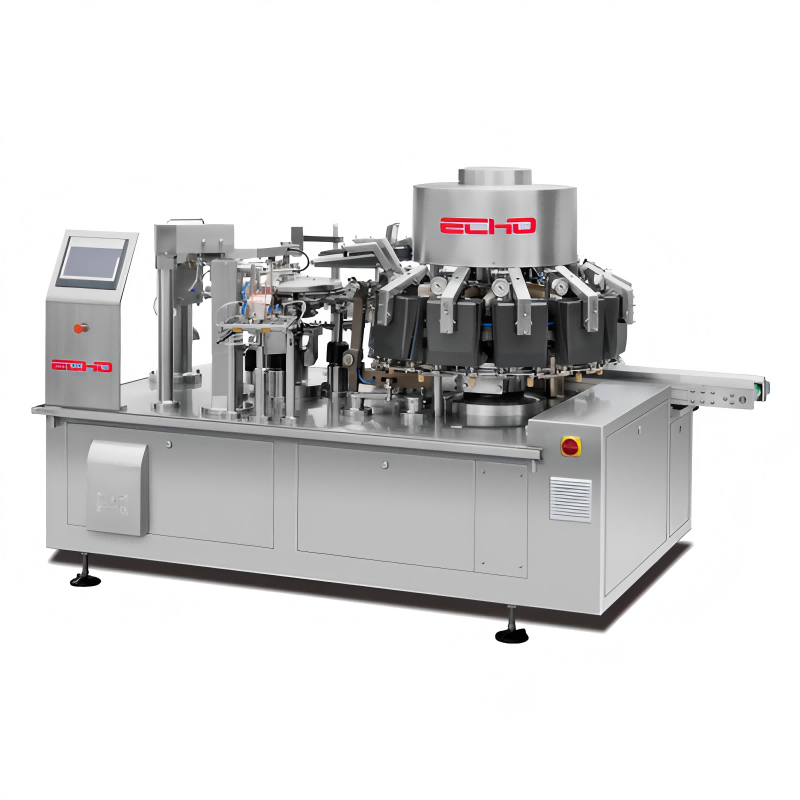
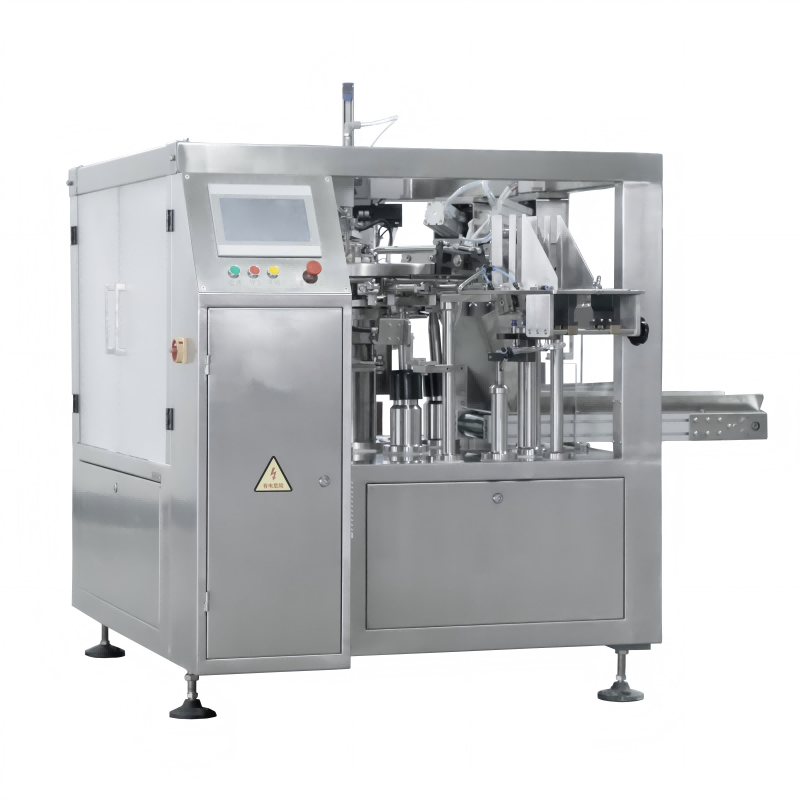
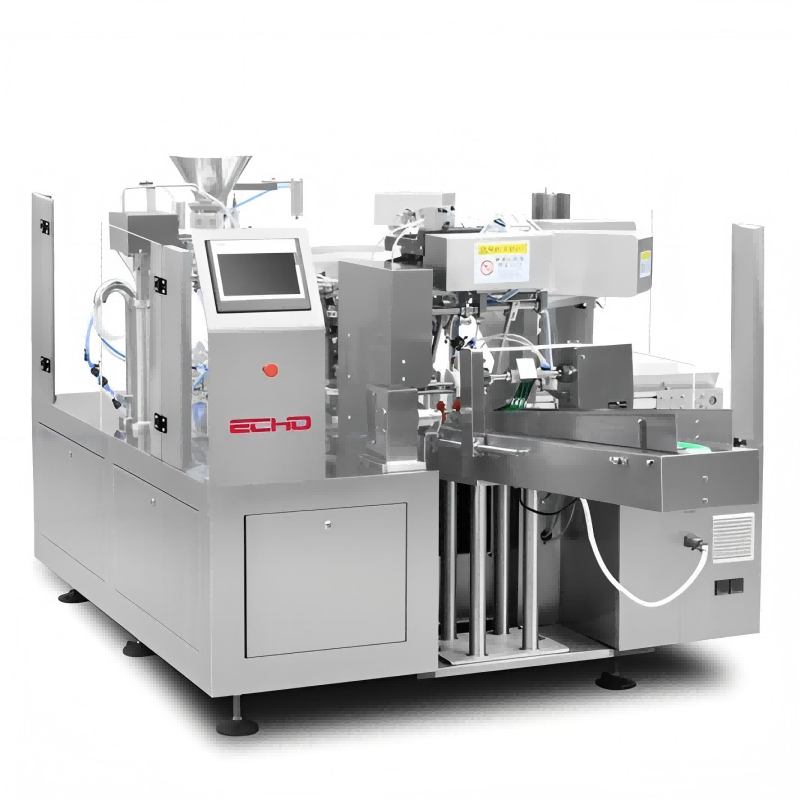
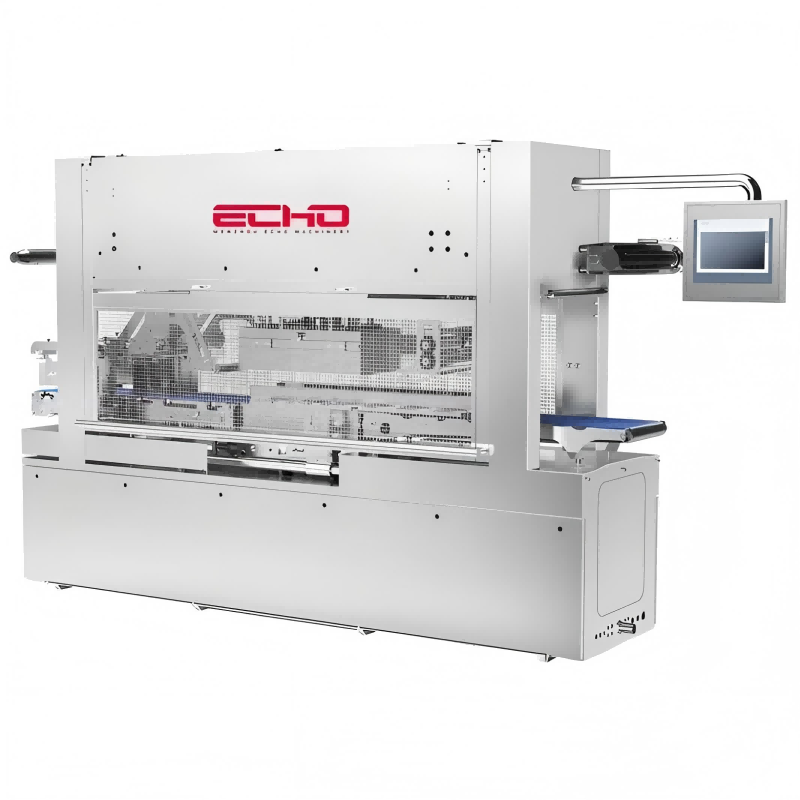
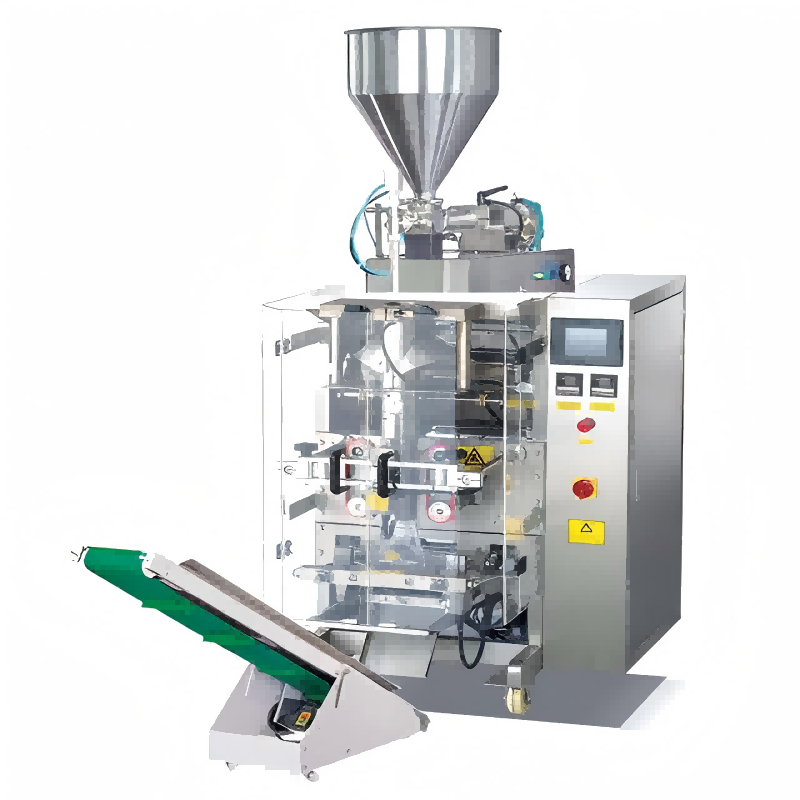
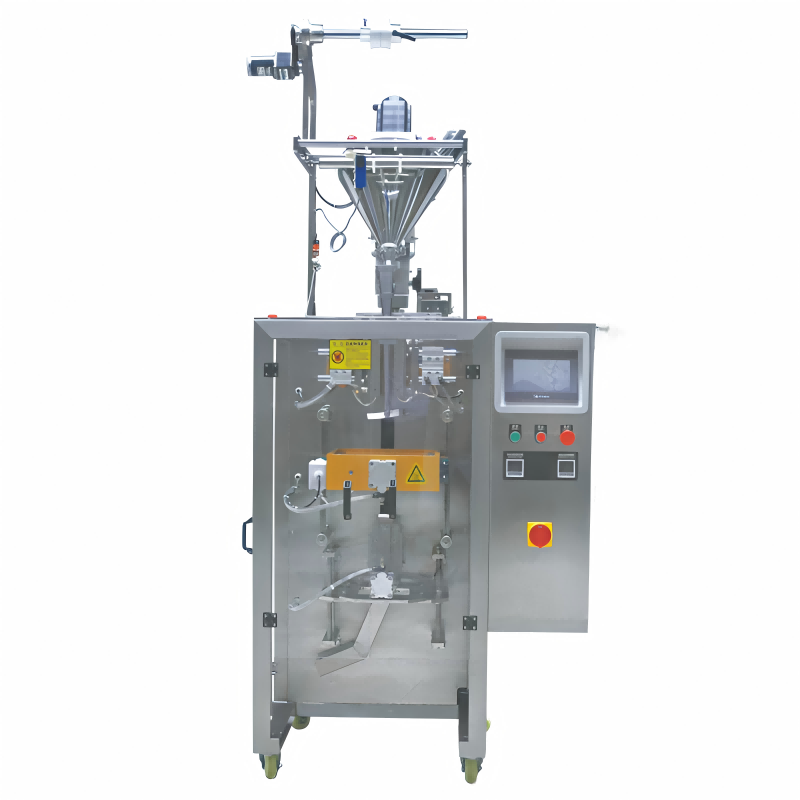
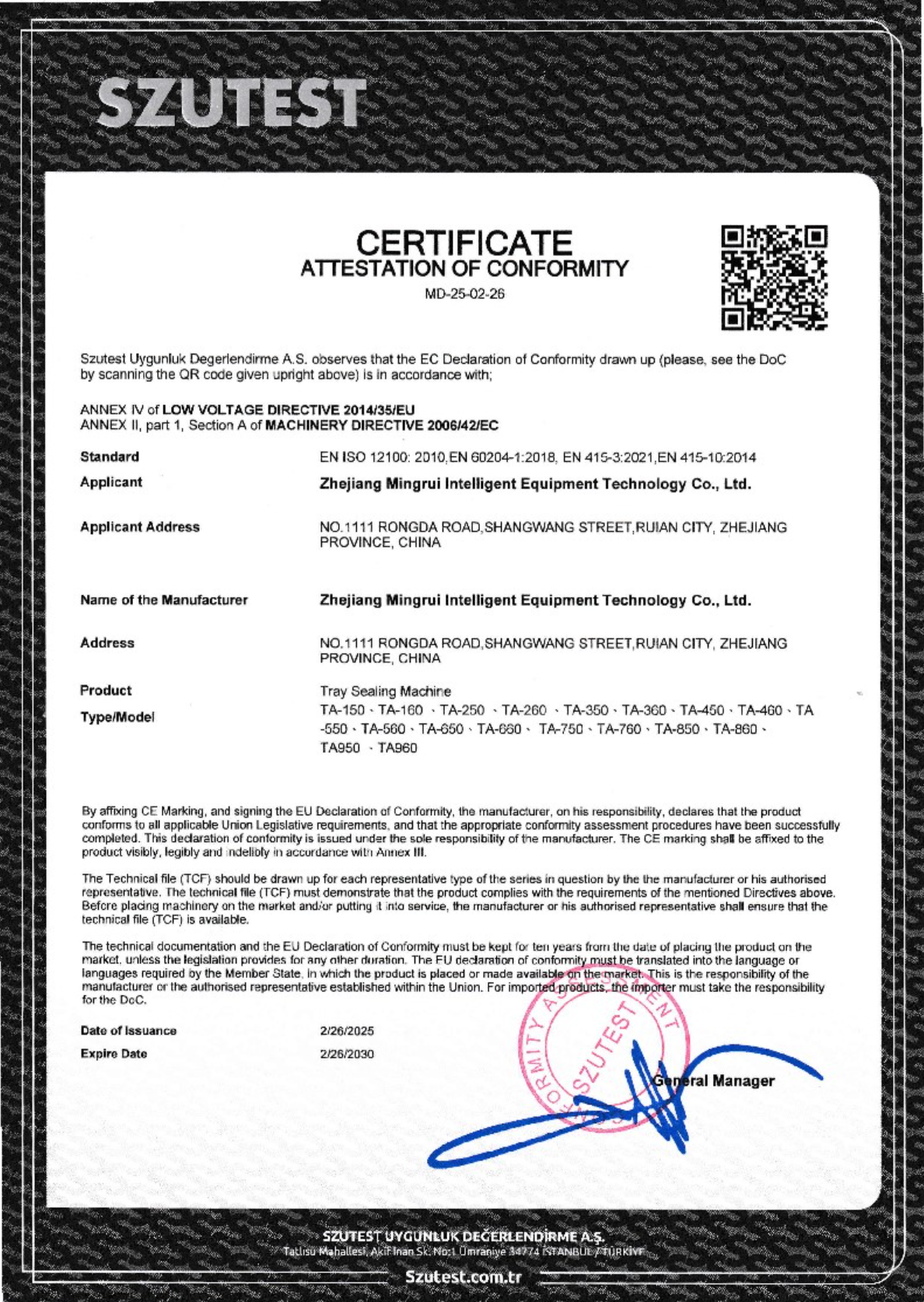
CE marking is required by European law for products sold in their market. This certification sets strict rules for both the whole product and its parts.
Our tray packaging machine is a complex system. To meet the access requirements for the European market, the complete machine and every component must fully comply with CE standards.
EN ISO 12100:2010 is a key standard under the EU Machinery Directive. As a type-A basic safety standard, it provides the essential safety framework that all machinery must follow for CE certification. It applies to a wide range of equipment with moving parts and potential safety risks, such as industrial robots, stamping presses, and construction machinery. The core of the standard is a clear, step-by-step process for managing risks. This involves first identifying all possible hazards throughout the machine's life, then estimating how serious and how likely any harm might be, and finally reducing risks through three main steps: safe design, adding safety guards, and providing clear warning signs and instructions.
EN 60204-1:2018 is an international standard for the electrical safety of machinery, published by CENELEC. It applies to the electrical systems of machinery with rated voltages not exceeding 1000V AC or 1500V DC, aiming to prevent harm caused by electrical accidents or failures. The standard covers the design, installation, operation, and maintenance of electrical equipment for non-portable machinery such as CNC milling machines, while excluding equipment for hazardous areas or hand-held tools. Its key requirements include specifying suitable supply voltages and providing overload and short-circuit protection, mandating protective earthing resistance ≤4Ω and insulation resistance ≥1MΩ, and ensuring control functions such as emergency stop independence and interlocking for spindle start. Notable updates in the 2018 edition include enhanced Electromagnetic Compatibility (EMC) requirements and reliability criteria for wireless control devices. As a harmonized standard under both the EU Machinery Directive and the Low Voltage Directive, compliance with EN 60204-1:2018 is essential for machinery exported to the EU to obtain CE marking. The 2018 edition replaced the previous 2006 version, which became obsolete after October 2021, and certification generally follows internal production control for ordinary machinery, while hazardous machinery requires EC type-examination or full quality assurance.
EN 415-10:2014 is a safety standard for packaging machines. It was created by the European Committee for Standardization (CEN) and is part of the EN 415 series. The main goal of this standard is to ensure the safety of packaging machines through their entire life, from design and build to daily use, helping to prevent worker injuries and machine failures.
This standard applies to many types of packaging equipment, like filling, sealing, and labeling machines. It focuses on using engineering controls to reduce risks. Key safety rules include using physical guards (fixed or interlocked) to keep people away from dangerous areas, making sure electrical systems are safe with proper insulation and grounding, and requiring a risk assessment to find and fix hazards like crushing or cutting points.
For CE marking, this standard is very important. It is a harmonized standard under the EU Machinery Directive (2006/42/EC). To prove compliance, companies must go through steps like type testing and review of technical files. Common tests include checking noise levels, ergonomic design, and making sure the emergency stop works correctly.
EN 415-3:2021 is a European safety standard for packaging machines, specifically for form-fill-seal and fill-seal machines. Published in November 2021, it replaces the 2009 version. This standard applies to various machines, including vertical and horizontal form-fill-seal machines, fill-seal machines for pre-made containers, and integrated filling units.
Key updates focus on improving hazard protection, control system safety, and new risk controls. For hazards, it requires guards at pinch points on moving parts like conveyor chains and molds, and protective measures for high-temperature areas such as heat seals. For control systems, it mandates interlocked guards on mold change areas, emergency stops meeting EN ISO 13850, and protection against safety system failure. New rules cover safe integration with robots and ergonomic design to reduce operator strain.
As a harmonized standard under the EU Machinery Directive, compliance with EN 415-3:2021 helps meet legal requirements. Manufacturers must update machine designs, risk assessments, and technical files, while users should verify compliance when purchasing and train staff in safe operation and maintenance.
 Hot News
Founded in 2008, ECHO is a leading manufacturer specializing in premade pouch packaging machines. With over 3,000 units sold annually, we have established ourselves as a trusted name in the global packaging machinery industry.
No.1111 Rongda Road, Zhixin Industrial Area, Rui'an Zhejiang, China - Headquarters
Copyright © ECHO Machinery Co.,Ltd. Privacy Policy
 EN
EN