Protein Bar Packaging Machines | 60-180 BPM, Cold Seal & N₂ Flush

All Categories
Protein Bar Packaging Solutions for Nutrition Bar Brands

Protein Bar Packaging Solutions for Nutrition Bar Brands

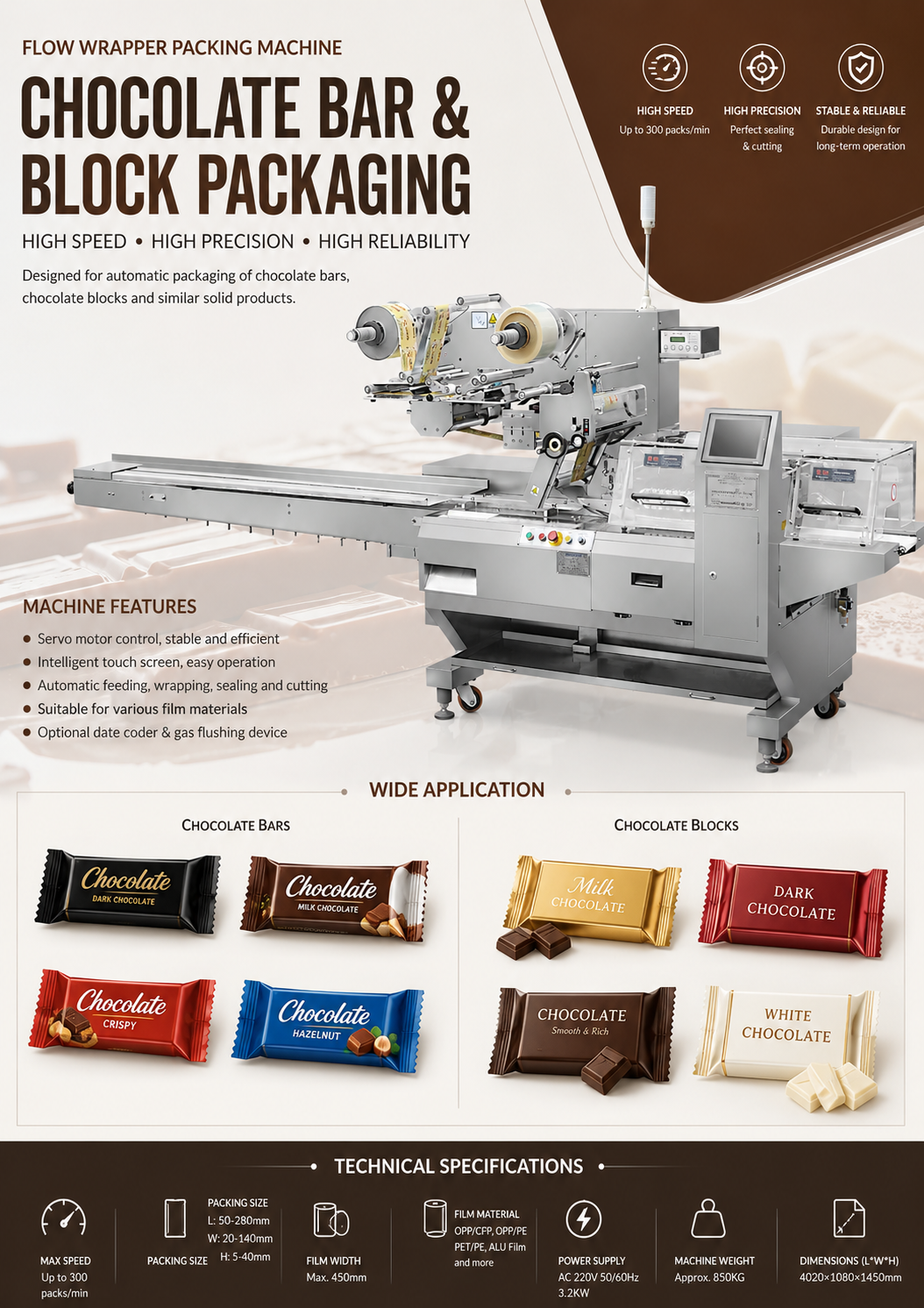
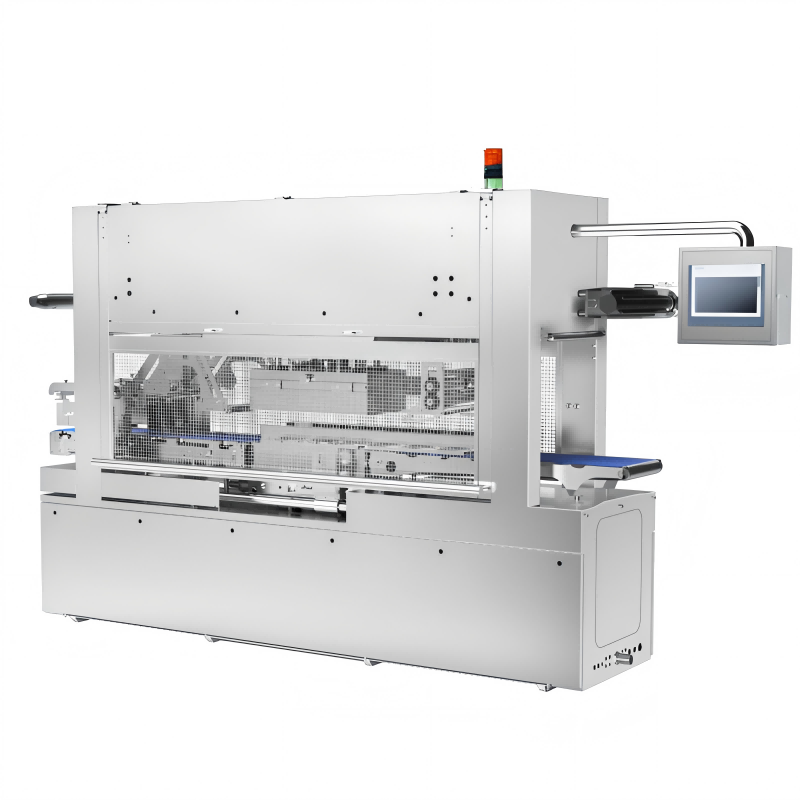
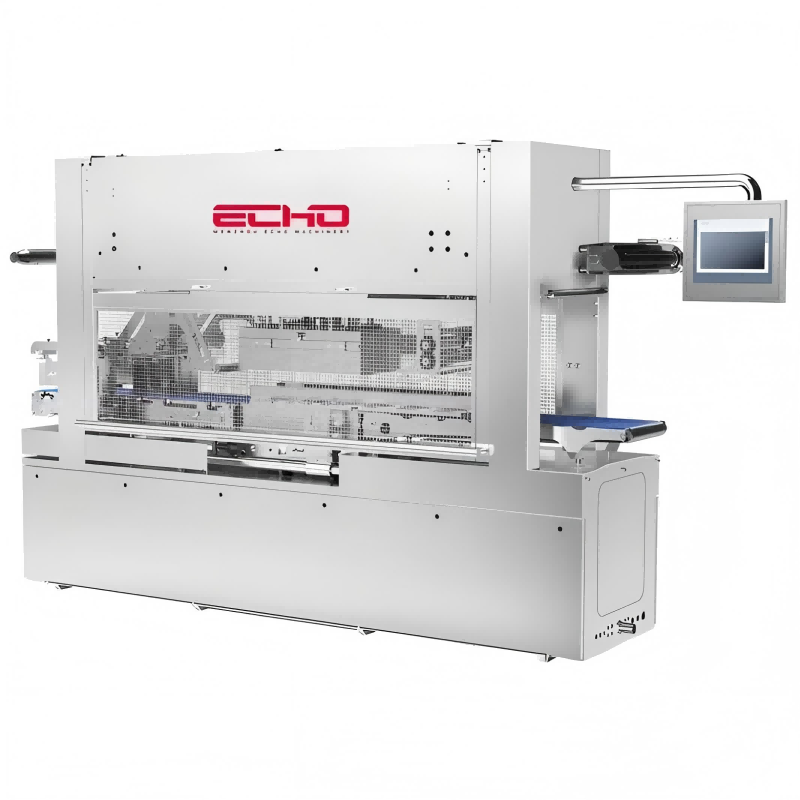
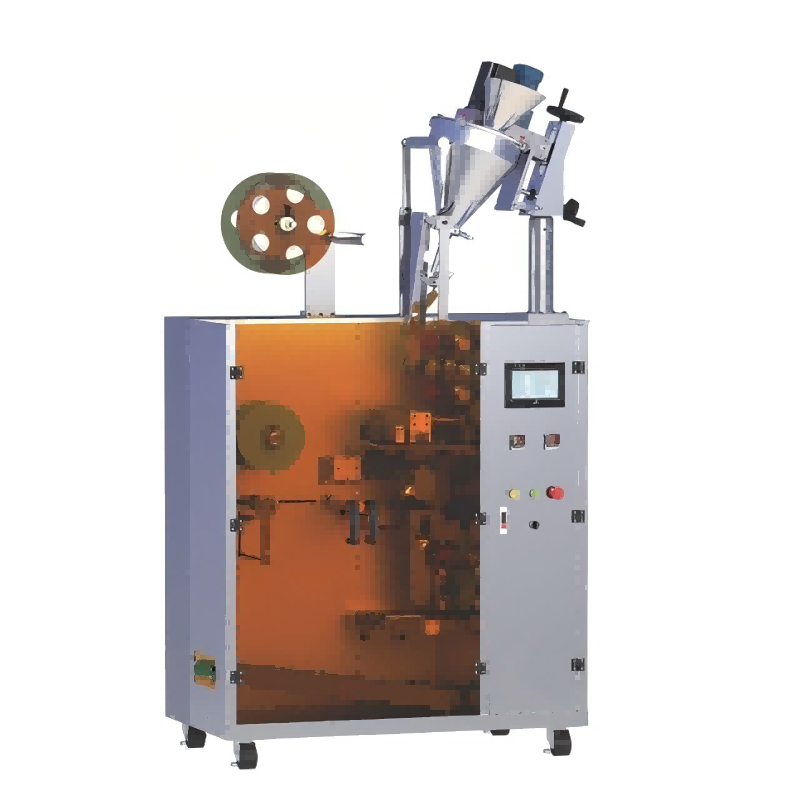
ECHO Machinery provides complete protein bar packaging solutions including horizontal flow-wrappers, automatic infeeds, and quality inspection systems for nutrition bar manufacturers. The protein bar packaging solution wraps individual bars in branded flow-wrap pillow packs and can be integrated with downstream cartoning and case packing for fully automated lines. Bar wrapping speeds of 60-180 bars per minute are achieved with servo-driven sealing jaws featuring electronic cam dwell-time optimization for the thicker barrier films used in protein bar packaging. Key features include cold-seal capability for heat-sensitive formulations (chocolate-coated bars, bars with probiotics), nitrogen flushing for oxygen-sensitive ingredients (nuts, seeds, omega-3 oils), and vision inspection for seal and print quality verification. The protein bar packaging line can include automatic bar infeeding from upstream cooling tunnels, date and batch coding via thermal transfer printing, and automatic reje
Get A Quote

Company Advantages

Complete Bar Wrapping to Cartoning Integration

End-to-end line engineering from bar infeed through wrapping, inspection, cartoning, and case packing—single-source responsibility for packaging line performance.

Vision-Verified Quality Assurance

In-line camera inspection verifies seal integrity, print registration, and date code presence on every bar at line speed, with automatic reject diversion.

Nutrition Bar-Specific Engineering

Machine configured for protein bar characteristics—adjustable for bar density, coating type, and functional ingredient heat sensitivity—not adapted from confectionery equipment.

Related products

Protein bar packaging is a specialized segment within the broader nutrition bar category, and ECHO Machinery provides packaging solutions that address the specific requirements of high-protein formulations. These bars present unique packaging challenges: they are typically denser and firmer than conventional granola bars, requiring robust product handling; they often contain functional ingredients that are heat-sensitive; and they are marketed as premium products where packaging quality directly influences consumer perception of product quality. ECHO's protein bar packaging solution begins with the infeed system—typically a timing-belt conveyor that accepts bars from the upstream cooling tunnel and spaces them for wrapping. The flow-wrapper uses servo-driven sealing jaws with electronic cam profiles that can be optimized for the thicker film structures common in protein bar packaging. For bars with chocolate coatings, cold-seal film capability is standard—the pressure-activated adhesive bonds at ambient temperature, preventing the chocolate bloom that occurs when coated bars are exposed to heat-seal temperatures. Nitrogen flushing is available for bars containing nuts, seeds, or omega-3 oils where oxidative rancidity is a concern. The in-line vision inspection system verifies seal integrity through thermal imaging or high-resolution camera inspection, checks print registration, and confirms date code presence—automatically rejecting any bars that fail inspection. The system can be integrated with automatic cartoning equipment for multi-pack configurations and case packing for distribution-ready output.

Frequently Asked Questions

What is included in a complete protein bar packaging line?

A complete line typically includes: automatic bar infeed from cooling tunnel, primary flow-wrapper with cold-seal or heat-seal capability, nitrogen flushing system, date/batch coder, vision inspection station with automatic reject, and outfeed conveyor to cartoning. Optional modules include automatic cartoning, case packing, and palletizing.
Vision inspection uses either thermal imaging cameras (detecting heat pattern consistency across the seal area—inconsistent patterns indicate potential leaks) or high-resolution cameras with specialized lighting (detecting seal wrinkles, foreign material in seals, and incomplete seal formation). The system processes images in milliseconds and triggers reject diversion for failed packages.
Cold-seal films are available in clear, white, and metallized versions, with barrier properties equivalent to heat-seal films. The cold-seal adhesive pattern can be full-coverage for maximum seal area or registered-pattern for cost optimization. Film suppliers include major flexible packaging converters who can match existing heat-seal film graphics in cold-seal versions.

Related article

From Coffee to Snacks: Top Industries Benefiting from Premade Pouch Machines

23

Oct

From Coffee to Snacks: Top Industries Benefiting from Premade Pouch Machines

How the Premade Pouch Packing Machine Is Transforming Food Packaging Premade pouch packing machines are changing how food gets packaged on production lines through their combination of automation and precise engineering. Food manufacturers face big...
View More
What ROI Can a Business Expect with a Fully Automatic Vacuum Packing Machine

08

Jun

What ROI Can a Business Expect with a Fully Automatic Vacuum Packing Machine

Evaluating Packing Line Bottlenecks and Labor Capital Overhead The Operational Vulnerability of Manual Preservation Workflows Scaling production capacity within food distribution, agricultural logistics, or industrial hardware packaging requires a ca...
View More
Is investing in an Automatic Box Packing Machine Profitable for Small Factories

10

Jun

Is investing in an Automatic Box Packing Machine Profitable for Small Factories

Total Cost of Ownership vs. Manual Packaging EfficiencyTCO Breakdown: Capital, Maintenance, Utilities, and Footprint for a box packing machineA box packing machine requires a higher upfront capital investment than manual workstations—but the total co...
View More
Why Is a Reliable Cold Seal Essential for High Speed Protein Bar Packaging

21

Jun

Why Is a Reliable Cold Seal Essential for High Speed Protein Bar Packaging

Why Cold Seal Matters for Protein Bars A protein bar fresh from production contains heat-sensitive ingredients — chocolate chips melting at 34°C, whey protein denaturing above 60°C, nut butter separating when warmed. A conventional he...
View More

Customer Testimonials

Michael Donovan
End-to-end line with single vendor responsibility

Having ECHO supply the complete line from bar infeed to case packing simplified our project enormously. One project manager, one installation team, one warranty. The vision inspection catches seal defects that our operators would miss, and our quality rate has been outstanding.

Sarah Chen
Cold-seal capability was essential for our bars

Our bars have a thin chocolate coating that bloomed when we used heat-seal wrapping. Converting to cold-seal on this ECHO machine preserved our product quality and appearance. The vision system gives us documented quality verification that our retail partners appreciate.

Get a Free Quote

Our representative will contact you soon.
Email
Name
Company Name
Message
0/1000
End-to-End Bar-to-Case Line Integration

End-to-End Bar-to-Case Line Integration

In-line vision inspection using thermal or high-resolution camera technology verifies every seal at line speed with automatic defective-bar rejection.
Thermal Imaging Seal Integrity Verification

Thermal Imaging Seal Integrity Verification

Thermal Imaging Seal Integrity Verification — engineered by ECHO Machinery for reliable production performance in Protein applications.
Inquiry Inquiry WhatsApp WhatsApp
WhatsApp
WeChat WeChat
WeChat
TopTop