
 EN
EN
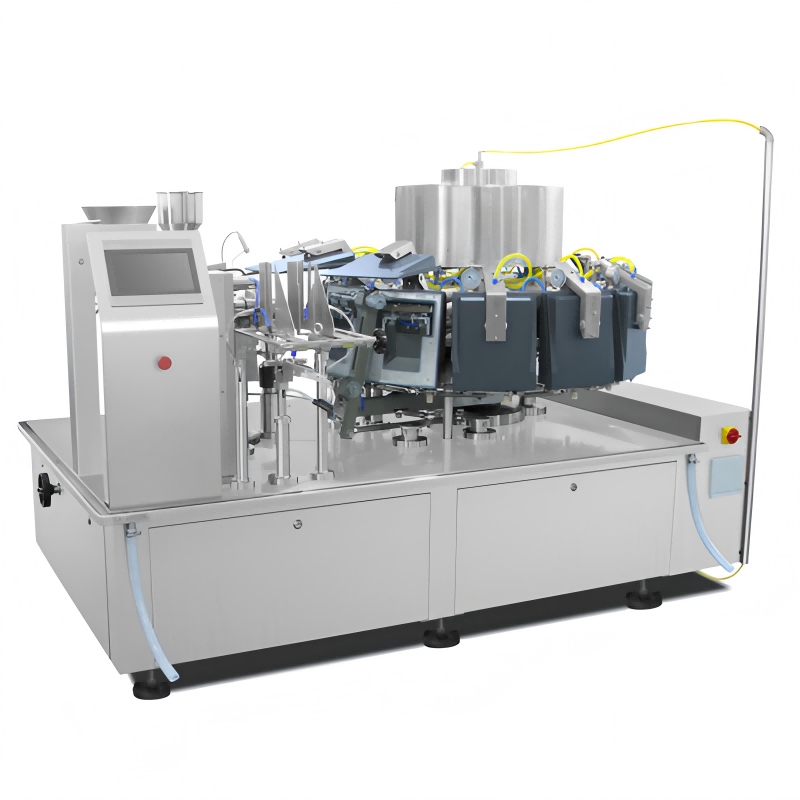
Why Cold Seal Matters for Protein Bars
A protein bar fresh from production contains heat-sensitive ingredients — chocolate chips melting at 34°C, whey protein denaturing above 60°C, nut butter separating when warmed. A conventional heat-seal wrapper exposes the bar to jaw temperatures of 120°C to 180°C. Even at high speed, surface softening and ingredient migration occur. Cold seal protein bar packaging eliminates heat entirely, using pressure alone to bond pre-coated film around the bar.
Heat Sensitivity, Ingredient Integrity, and Production Speed
The ingredients that make a protein bar marketable — chocolate coating, nut inclusions, protein crisps — are also the most heat-vulnerable. Heat-seal wrappers raise bar surface temperature by 5°C to 15°C, causing chocolate bloom, nut oil bleeding, and textural changes. Cold seal protein bar packaging avoids these because sealing energy is mechanical pressure, not heat. Production speed benefits: cold seal lines run at 150 to 300 bars per minute because there is no dwell time for jaws to heat and cool — the adhesive bonds instantly under pressure.
Real-World Case — A Nutrition Brand Converts from Heat Seal
A sports nutrition brand producing 80,000 bars daily experienced a 4% rejection rate from heat-seal defects: chocolate bloom, seal wrinkles causing oxygen ingress, intermittent seal failures. The brand converted to cold seal protein bar packaging using a flow wrapper retrofitted with unheated pressure jaws and a film tension system calibrated for pressure-sensitive film. The conversion required one day — replacing heated jaws and adjusting tension. Rejection rate dropped below 0.5%. Shelf life extended by 3 weeks because cold seal film typically includes a higher-barrier structure. The conversion cost was recovered through waste reduction in under 6 months.
How Cold Seal Technology Works
Pressure-Sensitive Adhesive vs. Heat-Activated Film
Cold seal protein bar packaging uses film pre-coated with a pressure-sensitive adhesive on the seal area. The adhesive is pattern-applied — only where the seal will form — leaving the remainder of the film adhesive-free. When two adhesive-coated surfaces are pressed together by the seal jaws under controlled pressure, they bond instantly through mechanical interlocking and van der Waals forces — no heat required. The adhesive is formulated to bond only to itself (cohesive failure mode), so it does not stick to the product, the forming collar, or the machine surfaces. The critical process variable is film unwind tension: too much tension stretches the adhesive pattern, causing misalignment at the seal jaws and unsealed gaps. Too little tension allows the film to wander laterally, also producing misalignment.
Machine Requirements for Cold Seal Bar Wrapping
Seal Jaw Design, Film Tension, and Speed Synchronization
A cold seal flow wrapper uses unheated seal jaws with serrated or knurled profiles that concentrate pressure for better adhesive bond formation. Film unwind requires closed-loop tension control — typically ±5% of setpoint — using a dancer arm or load cell. The forming collar must have a low-friction PTFE surface. Speed synchronization between film feed and product infeed is critical: a 2 mm misalignment between adhesive patterns produces an unsealed gap.
Selecting Cold Seal Packaging Equipment
Five Factors That Determine Line Performance
First, bar dimensions and shape determine forming collar geometry and jaw profile. Second, target line speed — the film unwind and tension system must be rated for maximum speed. Third, film specification — source from qualified suppliers with documented adhesive registration, peel strength, and shelf life. Fourth, changeover requirements — quick-release collars and tool-free jaw changes reduce downtime. Fifth, sanitation — the wrapper must be accessible for cleaning. ECHO Packer, with over 3,000 units sold annually, provides cold seal protein bar packaging configurations engineered for the demands of high-volume nutrition bar production.
Frequently Asked Questions
What is cold seal protein bar packaging?
Cold seal protein bar packaging uses film pre-coated with pressure-sensitive adhesive that bonds under pressure alone — no heat — protecting chocolate, protein, and nut butter from thermal damage while running at higher speeds than heat-seal wrappers.
Why do protein bars need cold seal instead of heat seal?
Protein bars contain heat-sensitive ingredients — chocolate melts at 34°C, whey denatures at 60°C, nut butter separates. Cold seal protein bar packaging eliminates heat exposure, preventing chocolate bloom, oil bleeding, and texture changes.
Does cold seal packaging extend shelf life?
Yes. Cold seal protein bar packaging film typically includes a higher-barrier structure than standard heat-seal film. Combined with wrinkle-free seals preventing oxygen ingress, shelf life extensions of 2 to 4 weeks are commonly reported.
Can existing flow wrappers be converted to cold seal?
Many flow wrappers can be converted by replacing heated jaws with unheated pressure jaws, adjusting the tension system, and installing a low-friction forming collar. ECHO Packer provides conversion kits for compatible machine models.
What line speeds can cold seal wrappers achieve?
Cold seal protein bar packaging lines run at 150 to 300 bars per minute — adhesive bonds instantly under pressure with no heating/cooling dwell time. Actual speed depends on bar dimensions and wrapper configuration.
How is cold seal adhesive prevented from sticking to the machine?
Cold seal adhesive is pattern-applied only to the seal areas and formulated for cohesive failure — it bonds only to itself when two adhesive-coated surfaces meet under pressure. PTFE-coated or polished stainless steel forming collars minimize friction on the film path, and precise film tension control prevents the adhesive-coated surface from contacting machine surfaces outside the seal jaw zone.