
 EN
EN
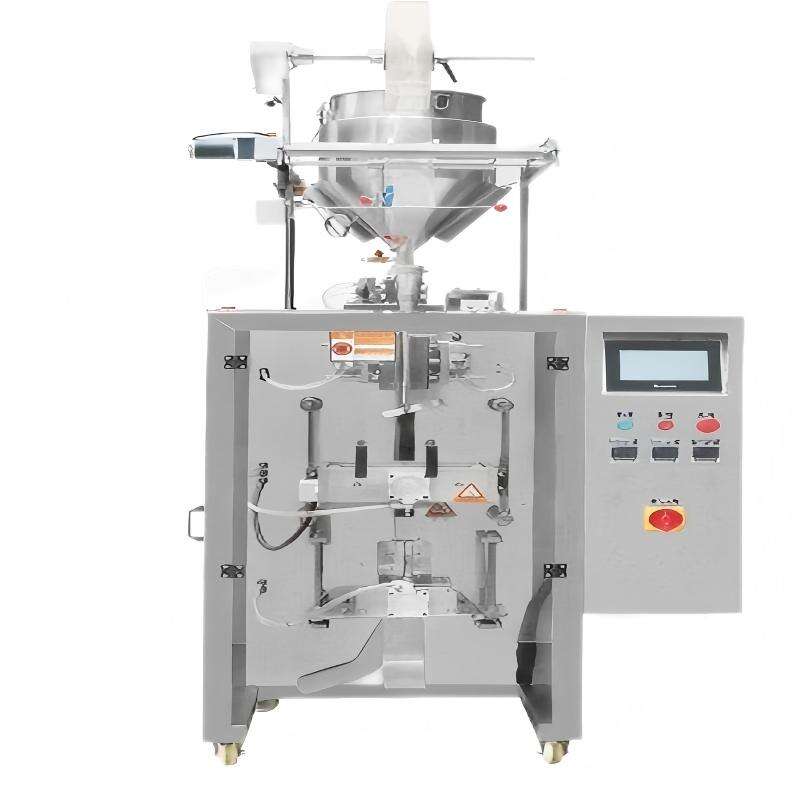
Barrier Integrity and Controlled Atmospheres: How Packaging Machines Preserve Freshness
Oxygen and moisture barrier films engineered by modern packaging machines
Modern packaging equipment relies on specially designed multi layer films that keep oxygen transmission rates well under 10 cubic centimeters per square meter per day and water vapor transmission rates below one gram per square meter daily. These advanced barrier properties stop fat breakdown and moisture escape, which are basically what makes meat go bad over time. The latest data from food preservation studies shows this kind of degradation actually causes around 23 percent of all preventable meat spoilage losses. What these machines do essentially is create a sealed environment inside the package that maintains just the right amount of moisture content while keeping out bacteria and other stuff from outside that would otherwise speed up the rotting process.
Modified atmosphere packaging (MAP) and vacuum packaging: Machine-driven precision for color, texture, and taste retention
Gas flush systems work by swapping out regular air for special gas mixes usually containing between 30 and 80 percent carbon dioxide along with nitrogen making up the rest. These systems cut down on bacterial growth by about three quarters when compared to products just packed in normal air. At the same time, vacuum sealers get rid of over 99.5 percent of leftover oxygen and put gentle pressure around 0.8 to 1.0 bar onto the product. This helps reduce gas escaping and keeps the meat fibers intact. When these two methods are combined, they typically add anywhere from five to twenty eight extra days on the shelf life. The process also keeps the myoglobin in the meat stable so it stays looking fresh longer, and maintains the texture thanks to consistent atmosphere controls that run automatically cycle after cycle.
Sanitary Design and In-Line Hygiene Control in Meat Packaging Machines
Hygienic engineering standards (e.g., EHEDG, FDA 21 CFR) built into packaging machine construction
Today's meat packaging machines follow strict hygiene standards set by groups like EHEDG (their Guideline Document No. 8) and the FDA regulations under 21 CFR Part 110. The design focuses on preventing bacteria buildup through features such as smooth rounded edges, seamless welds without hidden spots for dirt, and high quality stainless steel that meets AISI 316 specifications. There are actually ten core guidelines behind this approach covering things like how well water drains off surfaces, ease of cleaning, protection against rust, and ensuring materials won't react with food products. Food safety inspectors have found that when manufacturers stick to these rules, there's about a 72 percent drop in contamination risks compared to older models that don't meet them. Additional smart design elements include built-in slopes that let liquids drain automatically and parts that can be taken apart quickly without tools, making it much easier to thoroughly clean everything after each production batch.
Automated sterilization, CIP/SIP integration, and contact-surface validation in high-speed lines
Modern high speed packaging operations rely heavily on Clean-in-Place (CIP) and Sterilize-in-Place (SIP) systems for their wash and sterilize routines. These systems work with food grade chemicals at controlled temperatures and specific dwell periods to ensure proper sanitation. The real magic happens through continuous monitoring sensors that track microbial levels on key contact areas. When these sensors detect anything above acceptable limits, they kick off automatic corrections right away. For extra protection against pathogens, many lines include steam sterilization tunnels alongside UV-C light modules which cut down bacteria by around 99.8% throughout conveyor belts, sealing mechanisms, and film pathways. Manufacturers must regularly test all these surfaces according to strict sanitary design standards. This keeps everything compliant with major food safety certifications like BRCGS, SQF, and ISO 22000 while still maintaining production speeds without needing any hands-on cleaning during normal operation.
Shelf Life Extension Enabled by Integrated Packaging Machine Technologies
Vacuum shrink, top-seal, and gas-flush systems: How packaging machines directly extend meat shelf life
The combination of vacuum shrink, top-sealing, and gas flushing works together to tackle the main causes behind meat going bad: bacteria growth in oxygen rich environments and fat breakdown from exposure to air. When we pull a vacuum, we get rid of most of the oxygen inside packaging down to about half a percent or less. This stops harmful microbes from multiplying and keeps the meat looking fresh without turning gray or getting mushy over time. Top seals create really tight closures that stop outside stuff like moisture and dust from getting in during shipping and handling. For gas flushing, manufacturers pump in gases like nitrogen and carbon dioxide instead of regular air. These gases push out the oxygen which slows down enzyme activity that would otherwise cause spoilage. Plus it means we don't need to add those chemical preservatives anymore.
Tests have shown that combining different preservation methods can actually multiply refrigerated shelf life by five times. For example, vacuum packed beef loins stay safe to eat and maintain their quality for around 20 days, whereas regular plastic wrapped meat only lasts about 3 or 4 days before going bad. Businesses using these new techniques are seeing roughly 30 percent less food thrown away, which means better profits and less waste. The meat keeps its nutrients, taste stays true, and looks good all the way from when it's processed until it hits store shelves. Modern packaging lines run at incredible speeds, handling thousands of packages each hour while checking seals constantly through special sensors that detect leaks instantly. Some plants even have backup systems in place just in case something goes wrong during production.
Selecting the Right Meat Packaging Machine for Your Production Needs
Picking out the correct packaging equipment means matching what the machine can do with how big your operation is and what kind of products you're handling. Start by figuring out how much stuff needs to be packaged each hour. For smaller runs under 500 items per hour, semi automatic machines work just fine. But when production jumps up to around 2,000 to 6,000 units an hour, companies really need those fully automated lines equipped with things like modified atmosphere packaging, vacuum systems, and cleaning in place or steam in place technology. Then there's the matter of what actually gets packaged. Thin slices of meat need careful handling during the film application process and lower pressure seals to avoid damage. On the flip side, fatty cuts present different challenges requiring special barrier films that resist oil and prevent leaks or failed seals. Look for machines that can grow with business demands rather than buying something too big from day one. The real costs go beyond just the initial purchase tag. Think about how much power they consume, how often parts need replacing, how much packaging film gets wasted, and how many rejects happen during production runs. And don't forget about hygiene standards. Make sure the equipment meets EHEDG or FDA requirements for food contact surfaces. Also check if materials used will hold up through all temperature extremes encountered in processing, whether that means freezing conditions or hot fill applications where temperatures can spike dramatically.
FAQ Section
What is the role of barrier films in packaging machines?
Barrier films in packaging machines are designed to keep oxygen and moisture out, preventing fat breakdown and moisture escape, which cause meat spoilage.
How do modified atmosphere and vacuum packaging systems work?
Modified atmosphere systems replace air with gas mixes like carbon dioxide and nitrogen to reduce bacterial growth. Vacuum systems remove oxygen and apply pressure to maintain product integrity.
Why are hygiene standards important in meat packaging machines?
Hygiene standards prevent bacteria buildup by ensuring the equipment is easy to clean and resistant to contamination, maintaining food safety and quality.
What technologies extend the shelf life of meat?
Technologies like vacuum shrink, top-seal, and gas-flush systems remove oxygen and preserve freshness, significantly extending meat's shelf life.
How should businesses select the right packaging machine?
Businesses should consider their production volume, type of product, and hygiene standards to select machines that meet their operational needs and growth demands.
Table of Contents
- Barrier Integrity and Controlled Atmospheres: How Packaging Machines Preserve Freshness
- Sanitary Design and In-Line Hygiene Control in Meat Packaging Machines
- Shelf Life Extension Enabled by Integrated Packaging Machine Technologies
- Selecting the Right Meat Packaging Machine for Your Production Needs
- FAQ Section