
 EN
EN
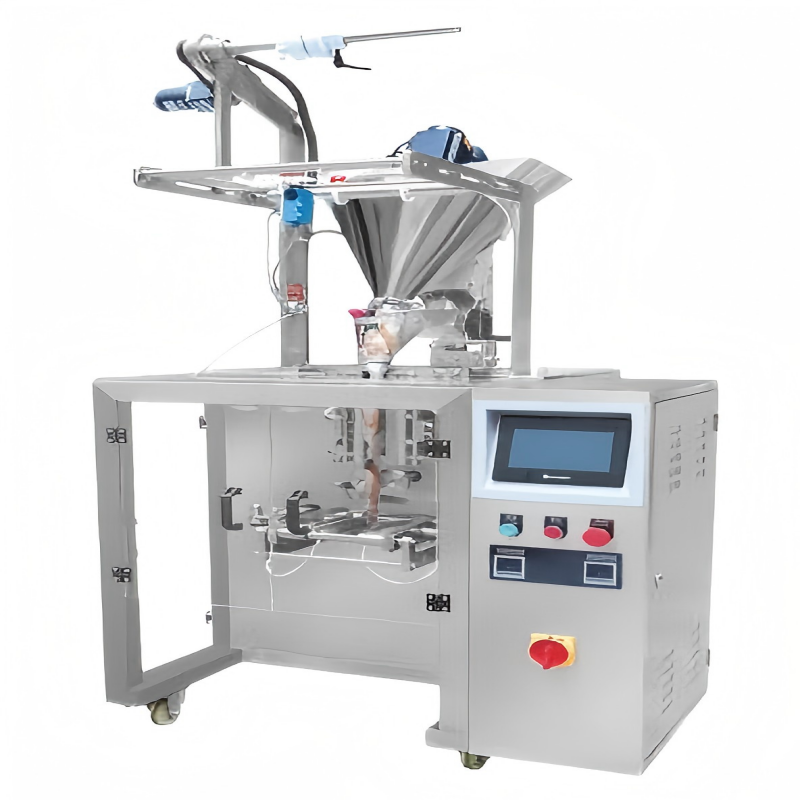
The Packaging Accuracy Crisis: Why Sub-Gram Consistency Matters
Getting packaging right isn't merely about reaching those target weight numbers. It actually serves as protection from getting hit with hefty fines or damaging brand reputation. When packages come up short, companies risk breaking rules set by the Fair Packaging and Labeling Act, which can lead to serious cash penalties sometimes running into hundreds of thousands of dollars plus factory shutdowns during government checks. Consumer confidence takes a real hit too when customers spot some bags filled properly while others clearly don't have enough product inside. Research shows around half of shoppers decide if something is good quality just by looking at how consistently filled everything appears. Small mistakes add up fast too. Imagine losing out on nearly two hundred thousand bucks every year simply because each package misses the mark by half a gram across ten thousand shipments daily for high end items. These kinds of problems mean manufacturers need better alternatives than old school volume measuring techniques if they want to stay ahead.
- Legal non-compliance with weights-and-measures regulations
- Product giveaway from chronic overfilling
- Brand integrity damage from visible inconsistencies
Today’s intelligent weighing systems solve this crisis by achieving sub-gram consistency across high-speed production lines.
Intelligent Weighing Technology: Real-Time Control for Precision Packaging Accuracy
Multihead Weigher Algorithms and Dynamic Combination Optimization
Today's multihead weighers can get down to sub-gram accuracy thanks to smart math that looks at around 100 different product combinations every second. The system works out how best to spread the weight across all those little weighing compartments, picking the combination closest to what we need while accounting for differences between products. Some research in the field suggests these systems cut down on weight variations by about two thirds when compared to older volumetric filling methods, which makes a big difference in how accurately packages are filled. What's really cool is that these machines keep adjusting themselves automatically depending on how dense or how they flow through the system, so they stay within half a gram of precision even when dealing with tricky stuff like oddly shaped snacks or frozen vegetables. This means less wasted product going into each package and staying within the rules set out by NIST Handbook 44, which is basically the gold standard for commercial scales in America.
IoT-Enabled Smart Control Systems for Continuous Weight Feedback and Adjustment
Weighing systems connected through IoT technology form a kind of feedback loop between checkweighers and the filling machines themselves. This setup allows for on-the-spot adjustments to packaging accuracy as things happen. The sensors send out weight information roughly every 200 milliseconds to central control units which then make automatic corrections to fill amounts without needing to halt production lines. According to some studies, these constant checks cut down overfilling instances by about 47 percent and slash material waste by around 30% across fast moving consumer goods manufacturing. Smart algorithms look at past weight records to spot when filling precision starts drifting off track. When they detect potential issues, they trigger maintenance warnings before problems get bad enough to go beyond acceptable limits. This proactive approach stops expensive product recalls from happening while keeping production rates above 200 packages per minute throughout operations.
Sealing Integration: How Synchronized Closure Secures Packaging Accuracy
Weight-Triggered Sealing Activation to Prevent Underfill/Overfill Before Final Seal
Modern sealing systems are incorporating weight sensing tech that triggers closures only after packages reach their target weight specs. The system checks fill weights on the fly before actually sealing things up, which stops those expensive mistakes where products get underfilled or overfilled. If the sensors pick up anything outside the +/- 0.3g range, the machine just stops sealing altogether. Packages that don't meet standards get sent off for fixing while production keeps moving at around 120 units per minute. According to recent packaging studies from last year, these closed loop controls cut down on wasted materials by almost 20%. When the weight isn't right, the machine literally blocks the final seal until everything checks out. For manufacturers, this means every product leaving the line complies with regulations and matches brand standards consistently across all batches. What was once just an end step in packaging has become a real quality gatekeeper throughout the whole production process.
Proven Impact: Quantifying Packaging Accuracy Gains in FMCG Production
ECHO Machinery Case Study: 47% Overfill Reduction Without Throughput Loss
A major FMCG equipment provider implemented integrated weighing-sealing systems to address chronic overfill issues costing manufacturers $740,000 annually. By synchronizing multihead weighers with weight-triggered sealing mechanisms, their solution achieved:
- 47% reduction in overfill across snack food production lines
- Zero compromise on line speed (maintaining 120 bags/minute)
- Elimination of giveaway costs from excess product dispensing
This demonstrates how real-time feedback loops between weighing sensors and sealing actuators directly enhance Packaging Accuracy. The system’s dynamic adjustment capability prevented sealing initiation until fill weights fell within ±0.3g tolerance bands, converting accuracy gains into measurable profit protection without throughput penalties.
FAQ
Why is packaging accuracy important?
Packaging accuracy is vital for compliance with regulations to avoid fines, safeguarding consumer confidence, and preventing financial losses associated with product giveaway due to overfilling.
How do intelligent weighing systems improve packaging precision?
Intelligent weighing systems utilize technology like multihead weighers and IoT-enabled feedback loops to achieve sub-gram consistency, reduce material waste, and ensure palatability for both legal standards and brand integrity.
What role does IoT play in packaging accuracy?
IoT technology provides continuous weight feedback enabling real-time adjustments during production, minimizing wastage, and improving packaging consistency through instant communication between sensors and control units.
How does sealing integration contribute to packaging accuracy?
Sealing systems with weight-triggered activation ensure packages are only sealed when they meet the required weight specifications, thus eliminating underfill or overfill problems before a final seal is applied.