
 EN
EN
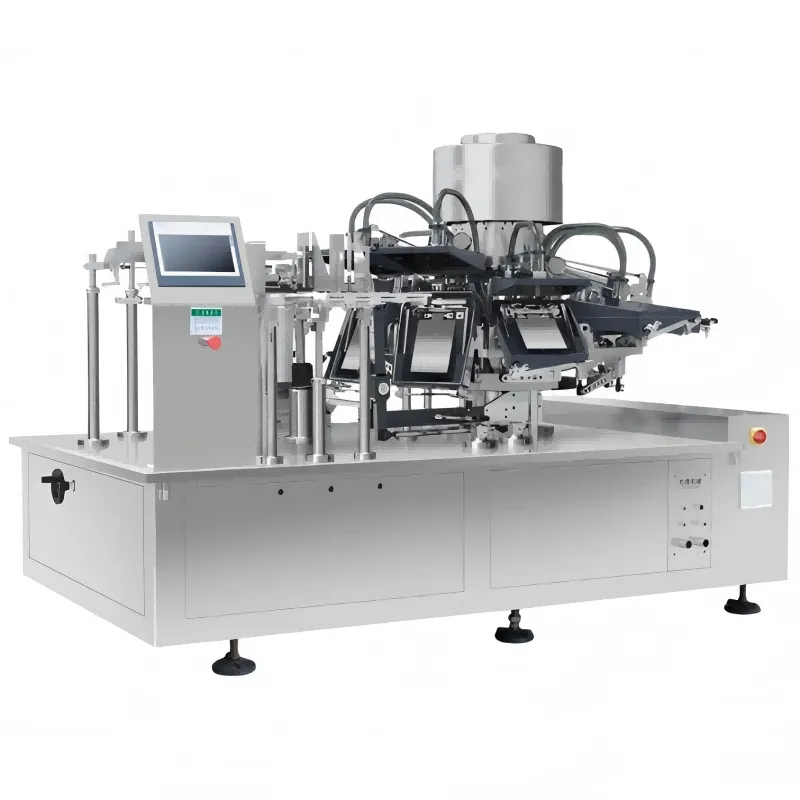
How Automatic Vacuum Packaging Machines Drive Sustainable Manufacturing
Eco-efficient production through automatic vacuum packaging machine technology
The latest vacuum packaging machines come equipped with smart AI systems that cut down on material waste without compromising how well packages hold together. These systems look at packaging designs as they work, which has been shown to slash plastic use by around 18 to 22 percent when compared with older techniques according to industry reports from last year. What makes them even better is their sensor tech that saves energy by tweaking sealing settings on the fly. This results in energy savings of up to 30% when running through those long production runs where factories need to pack thousands of items quickly.
Reducing production waste with precision vacuum sealing
The latest precision sealing tech cuts down on packaging mistakes responsible for recalls and wasted materials, knocking out well over 95% of those problems in most cases. According to research published in early 2024, companies that implemented these advanced systems saw their thermoplastic waste drop somewhere between 15 and 30 percent each year. The secret sauce? Millimeter level accuracy in sealing combined with automatic detection of flaws during production runs. What this means for manufacturers is not just better sealed products but also significant savings in materials. These systems actually require about 20% less polymer film per individual package compared to what traditional manual methods consume, which adds up to substantial cost reductions across large scale operations.
Material efficiency and minimized overpackaging in modern food processing
Vacuum packaging machines are changing how companies approach packaging size issues, cutting down on those extra layers we often see with old school packaging techniques. Some real world examples from the food industry indicate that switching to these vacuum systems cut down on excess packaging materials by about 40%. The reason? These machines adjust the package size based on what's actually inside. Plus there's another benefit worth mentioning too. They work well with special thin films that still protect products effectively but require around 25% fewer materials compared to regular options. For businesses looking to save money and reduce waste at the same time, this represents a pretty significant advancement in packaging technology.
Vacuum Technology’s Role in Reducing Plastic Usage and Environmental Impact
Vacuum Thermoforming Machines: Cutting Plastic Material Use Without Sacrificing Performance
The latest vacuum thermoforming tech cuts down on plastic usage somewhere around 25 to maybe even 30 percent when compared with older methods, as found in this year's Material Efficiency Report looking at how industries are adopting new technologies. What these systems do is basically smart material management during the forming process. They cut back on all that wasted plastic that usually ends up in corners and along edges without compromising structural integrity. The AI component handles thickness adjustments automatically, responding to actual measurements of what's being produced. This results in roughly 220 tons less plastic going into landfills each year from just one production line alone. For manufacturers concerned about environmental impact, these savings add up fast across multiple operations.
Comparing Traditional Plastic Packaging Machines vs. Advanced Vacuum Systems
Old school thermoforming machines tend to waste around 18 to maybe even 22 percent of plastic resin because they heat things up inconsistently and require constant manual tweaking. The newer automatic vacuum packaging systems are a whole different story though. These machines come equipped with smart sensors and these fancy closed loop systems that recover materials, getting close to 98.5% usage rates. What does this mean for businesses? Well, companies can cut down on virgin plastic by roughly 20% for each product made. Some big name food manufacturers have actually seen their bottom line improve significantly, with reports showing annual savings hitting around $740,000 just from better managing how much material gets used.
Are “Eco-Friendly” Vacuum-Formed Packages Truly Sustainable? A Critical Analysis
Vacuum formed packaging does cut down on plastic waste during manufacturing, but whether it's actually sustainable comes down to what materials are used and how well local recycling systems handle them. Recent research from 2024 shows that when PET based vacuum packs get recycled properly, they produce about 37 percent less carbon dioxide compared to traditional PVC options. The problem? Most cities aren't set up to take these materials. Only around 42% of municipal recycling programs will accept them, which means a lot ends up in landfills instead. This points to an urgent need for better biodegradable alternatives that work with current vacuum sealing equipment without requiring complete overhauls of production lines.
Extending Shelf Life to Combat Food Waste Through Oxygen Removal
How Oxygen Removal Extends Food Shelf Life and Strengthens Sustainable Supply Chains
Vacuum packaging machines basically suck out almost all the oxygen (less than half a percent left), which really slows down both oxidation and the growth of microbes. Tests show this cuts bacterial growth by around 60 to 80 percent when compared with regular packaging methods. The absence of oxygen stops those aerobic bacteria from multiplying, keeps food tasting better, and maintains nutritional value too. For meat products and dairy especially, shelf life gets extended anywhere between two to three times longer. According to research published by the USDA back in 2023, switching to these oxygen free packages might cut down on wasted food across America by something like 12 million tons each year. That kind of reduction would definitely make our food supply chains much stronger when dealing with spoilage issues.
Reducing Spoilage Across Retail and Distribution With Vacuum-Sealed Solutions
Vacuum-sealed solutions reduce retail waste by 40–55% through precise gas barrier films that maintain product integrity during transit. Supermarkets using vacuum-packaged meats report shelf life extensions from 6 to 24 days, minimizing markdowns and stock rotations. Distributors experience 30% fewer cold chain interruptions, as oxygen-free packaging stabilizes temperature-sensitive goods over long distances.
Environmental Co-Benefits: Less Food Waste Means Lower Carbon Footprint
Each ton of food saved through vacuum packaging prevents 2.5–3 tons of CO2 equivalent emissions from production and disposal. By curbing spoilage, manufacturers reduce landfill contributions by 18–22% annually while conserving 1,200–1,500 gallons of water per ton of preserved protein—delivering dual benefits for waste reduction and climate goals.
Innovations in Sustainable Packaging Materials Enabled by Vacuum Sealing
Recyclable materials in vacuum thermoforming: Compatibility and best practices
Today's vacuum sealing technology handles around 92 percent of FDA approved recycled plastics without compromising their ability to block oxygen as effectively as brand new materials. Among these, polypropylene stands out for its performance. Tests on recyclable thermoformed trays showed less than half a percent difference in gas permeability compared to traditional PET/PE combinations during recent 2024 experiments. For optimal results, industry experts recommend drying recycled resins down below 0.02 percent moisture first. The sealing process works best when done in two temperature zones - typically between 120 to 140 degrees Celsius for the main seal and then cooled down to about 80 degrees for the secondary stage. Most manufacturers also run ASTM D7611 or D7209 tests to confirm whether materials can actually be recycled successfully.
Biodegradable films and vacuum sealing: Overcoming technical challenges
Early PLA/PHA-based films had 68% higher seal failure rates due to crystalline mismatches, but modified atmospheric control (MAC) chambers now achieve 98% seal integrity in compostable packaging trials. Hybrid cellulose-polyester blends withstand 500+ kPa vacuum pressure when paired with laser-perforation oxygen management systems, enabling reliable performance in demanding applications.
Shifting toward circular economy models in the plastic packaging industry
Manufacturers are designing vacuum-sealed containers with 15–20% material reduction targets while meeting ISO 22486 compression standards. This supports closed-loop recycling systems where 93% of collected packaging is reprocessed into new thermoforming feedstock, reducing virgin plastic demand by 28% according to lifecycle analysis models.
FAQ Section
How do automatic vacuum packaging machines contribute to sustainable manufacturing?
Automatic vacuum packaging machines contribute to sustainable manufacturing by reducing material waste and energy usage. Equipped with smart AI systems, these machines help decrease plastic usage and optimize sealing settings, resulting in significant energy savings.
What benefits do vacuum packaging machines offer to the food industry?
Vacuum packaging machines benefit the food industry by minimizing overpackaging, reducing spoilage, and extending shelf life. They help cut down on excess materials, protect products using fewer resources, and improve supply chain stability through extended freshness of food products.
Are vacuum-formed packages environmentally friendly?
Vacuum-formed packages reduce plastic waste in manufacturing, but their sustainability depends on the materials used and local recycling infrastructure. Although PET-based vacuum packs can reduce carbon emissions, the acceptance by municipal recycling programs remains limited.
How do vacuum packaging machines help in reducing food waste?
Vacuum packaging machines help reduce food waste by removing oxygen from packages, which slows oxidation and microbial growth. This extends the shelf life of food items considerably, preventing spoilage and maintaining nutritional value, ultimately contributing to less food waste.
What are some challenges with biodegradable films in vacuum sealing?
Biodegradable films like PLA/PHA-based options initially faced high seal failure rates due to crystalline mismatches. However, advancements such as modified atmospheric control chambers have improved seal integrity, enabling reliable performance of compostable packaging.
Table of Contents
- How Automatic Vacuum Packaging Machines Drive Sustainable Manufacturing
- Vacuum Technology’s Role in Reducing Plastic Usage and Environmental Impact
- Extending Shelf Life to Combat Food Waste Through Oxygen Removal
- Innovations in Sustainable Packaging Materials Enabled by Vacuum Sealing
-
FAQ Section
- How do automatic vacuum packaging machines contribute to sustainable manufacturing?
- What benefits do vacuum packaging machines offer to the food industry?
- Are vacuum-formed packages environmentally friendly?
- How do vacuum packaging machines help in reducing food waste?
- What are some challenges with biodegradable films in vacuum sealing?