
 EN
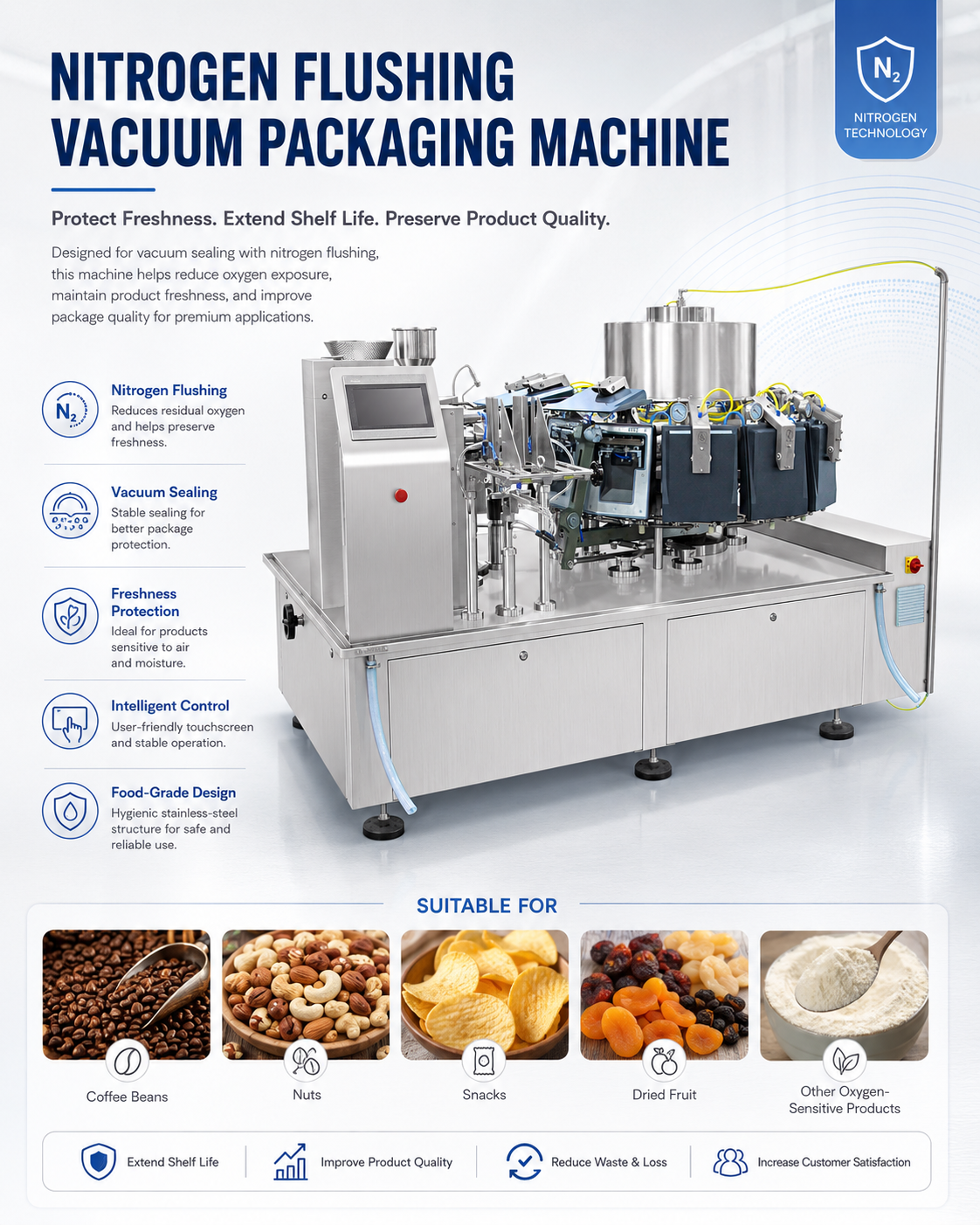
A high speed packing machine only delivers its promise when the rest of the line keeps pace, and speed bought without balance becomes waste and defects. Buyers who design the high speed packing machine into an automatic packing line avoid the islands that stall volume. The guidance uses cases, the failure modes of speed, the engineering that sustains it, and a buyer checklist.
Real-World Industry Case / Scenario
A Plant Where Speed Outran Quality
A plant bought a fast high speed packing machine but poor infeed caused misses and the automatic packing line ran at half rated speed with high reject. Reworking infeed and timing restored output and cut waste. The owner saw that a high speed packer is only as good as what feeds it. The case shows speed without control is just fast scrap, and the machine must be specified with its infeed.
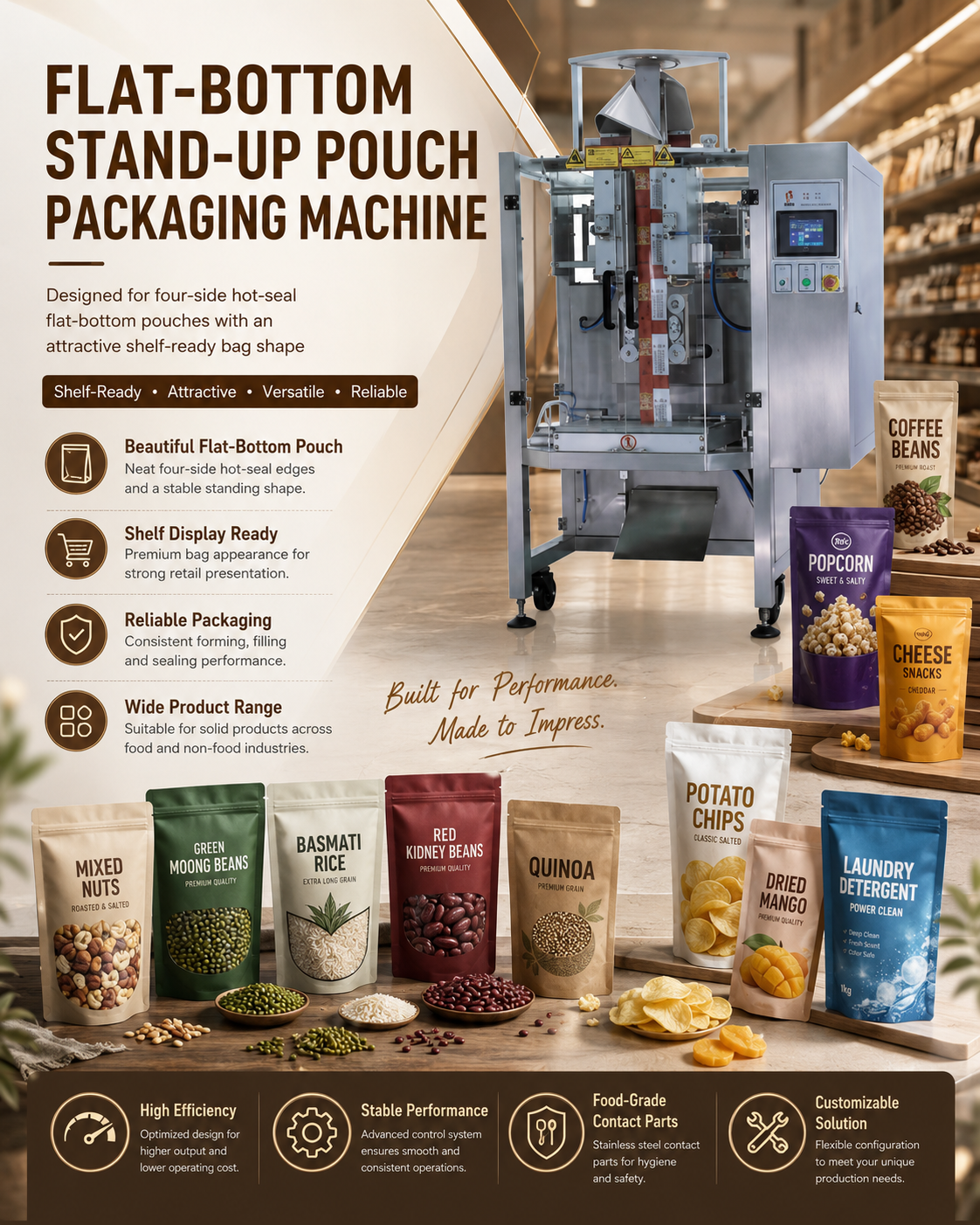
Film and format drive the choice. A vertical form fill seal machine suits sachets, pouches, and stick packs, while a horizontal format suits trays and cartons, so the packer must match the pack the product needs. Buying against the wrong format caps output before the line starts.
Film splice handling keeps the line running. An automatic packing line should splice without stopping and without wasting a pack, because every manual splice costs output and material. The splicing design belongs in the comparison between machines.
Utilities such as power, air, and water should be specified with margin so the line runs without trips.
A Producer That Balanced the Line
A producer matched a high speed packing machine to a vertical form fill seal block and a synchronized infeed, hitting rated cases without rejects. The automatic packing line ran steady because no station waited. The buyer learned that balance beats a hero machine, and that the high speed packer earns its cost only inside a planned system.
Speed is only useful when it is stable. A high speed packer rated at its peak often runs slower once changeovers, jams, and film splices are counted, so buyers should ask for sustained output rather than a headline rate. The automatic packing line should be judged across a full shift.
Reject and verification stations earn their cost. A checkweigher, a seal inspector, or a vision check catches the defect before it ships, which is cheaper than a recall. An automatic packing line without verification ships faults it cannot see.
Commissioning with the supplier present catches integration faults before full production begins.
Risk & Failure Mode Analysis
Infeed Bottlenecks and Misses
At high rate, a weak infeed makes the high speed packing machine miss or double feed, raising rejects and stopping the automatic packing line. The fault scales with speed, so the risk is far larger than at low rate. The fix is a synchronized infeed and a high speed packer with good product handling. A vertical form fill seal block mated to a poor infeed wastes the speed paid for.
Servo control decides accuracy. Dosing, pull, and cut positions need repeatable control, or pack weight and seal position drift as the run continues. A vertical form fill seal line with closed-loop servos holds tolerance at volume.
Noise and ergonomics matter on a long shift. A packer that is loud or awkward to feed increases fatigue and error rates, so the working environment should be assessed during selection. A high speed packer that tires its operators loses output by the afternoon.
Operators trained on the full sequence make fewer errors than those who learn one station at a time.
Heat and Wear at Rate
Speed stresses seals and drives; a high speed packing machine run beyond its service window wears fast and drifts out of spec. The automatic packing line then produces leaky or mislabelled packs at volume, a large loss. The buyer should specify service intervals and spare strategy with the high speed packer. A vertical form fill seal unit without planned maintenance fails exactly when demand peaks.
Changeover capability protects flexibility. Format parts, film paths, and program recalls all cost time on an automatic packing line, so quick-change design is worth more than a few extra packs per minute. Buyers running mixed formats should weigh setup time heavily.
Training and documentation determine the real ramp. A machine that arrives with clear manuals, a spares list, and structured operator training reaches rated output in days rather than months. The supplier training package is part of the purchase decision.
Technical Principles & Standard Compliance
Infeed, Synchronization, and Service
A dependable high speed packing machine rests on infeed control, timing sync with the vertical form fill seal block, and a service plan built for rate. The automatic packing line should report rejects and speed so managers act on data. A high speed packer with servo handling and quick-change parts sustains output with less drift. The machine earns its rating only when the whole line is specified as one system.
Maintenance access decides availability. The seal jaws, the film drive, and the dosing head should be reachable without a long strip-down, because a packer that takes a shift to service loses the speed it was bought for. Spare part pricing belongs in the selection, not the afterthought.
Specified against the real duty, high speed packing machine pays back through fewer failures and longer service.
Actionable Buyer & Maintenance Guide
Specifying and Running the Machine
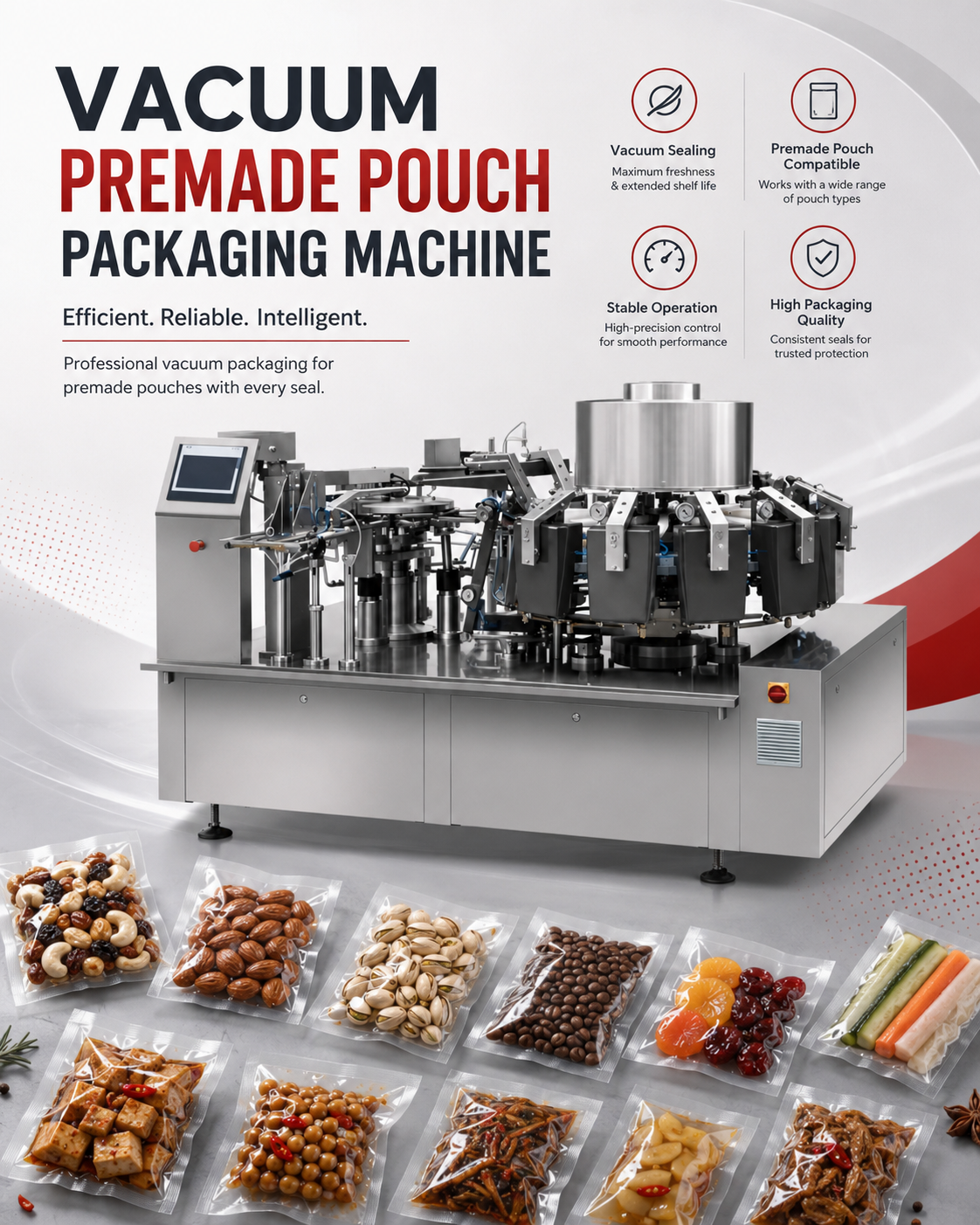
Buyers should size the high speed packing machine to balanced line speed, confirm infeed and vertical form fill seal sync, and plan spares with the supplier. Suppliers of high speed packing machines such as Echo Packer return a layout that shows the automatic packing line balance. Running well means scheduled service, reject monitoring, and logged changeovers. A high speed packer maintained for rate keeps the line at speed and the packs within spec.
Dosing accuracy holds the pack legal. Underweight packs fail inspection and overweight packs give away product, so the dosing head and its feedback loop decide whether the line is compliant. A packer that runs fast but drifts on weight costs more than it saves.
A pre-installation site survey confirms the utilities, floor load, and access the line needs before delivery.
Frequently Asked Questions
Question 1: Does speed alone raise output?
Answer: No, only a balanced line does; a high speed packing machine with a weak infeed misses and the automatic packing line runs slow with rejects. Buyers should match the high speed packer to the vertical form fill seal block and infeed. Speed without balance is fast scrap, not more cases.
Question 2: What fails first at high rate?
Answer: Infeed and seals fail first; the machine misses packs and wears seals when run hard without service. The automatic packing line then produces defects at volume, a large loss. Specifying sync and a service plan with the high speed packer protects output when demand peaks.
Question 3: How is the line kept balanced?
Answer: Balance means the high speed packer, infeed, and vertical form fill seal block run at one speed with timing sync. The automatic packing line should report speed and rejects so drift is caught early. Buyers should demand a layout that shows the balance, because a machine quoted alone hides real throughput.
Question 4: What maintenance sustains speed?
Answer: Maintenance covers infeed timing, seals, and drives, with scheduled service scaled to rate. A high speed packer that logs rejects and changeovers catches wear before it fails, and the automatic packing line stays within spec. The vertical form fill seal block needs the same discipline to hold speed.