
 EN
EN
A Protein Line That Gave Away Product
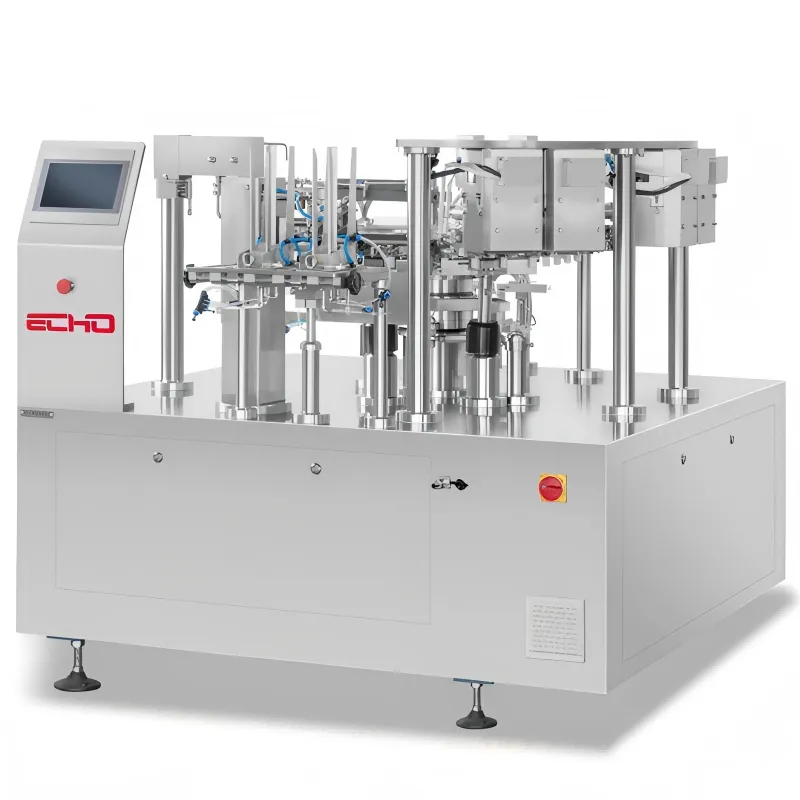
A contract packer ran a whey blend through granule packing machines fed by an auger. Humid air clumped the powder, so the auger threw weight high one minute and low the next. Over a month the line gave away roughly a ton of saleable product as overfill, while under-weight bags risked a metrology citation. The fix was a dosing method matched to the material, not a faster packer. A granule packing machine is only as honest as the feeder in front of it.
When the Auger Fought the Filler
The auger spun on a timer, but density shifted with humidity. A granule packing machines line tuned to dry powder over-dosed in damp air, and the operator chased the setting all shift. Time-based feed cannot sense density change; it only follows the clock.
How Each Dosing System Meets the Filler
The right feeder depends on granule size, fragility, and how steady the bulk density stays through the run.
Auger and Cup Feeders for Free-Flowing Granules
An auger meters by rotation, clean and cheap for fine dry powders. Cups scoop a fixed volume per cycle and pair well with granule packing machines for uniform product. Both assume steady density; moist or mixed lots wander. EchoPacker spec sheets flag the humidity window where auger drift grows.
Linear Weighers for Fragile or Mixed Lots
Combination weighers measure true mass and protect brittle pieces from crush. A granule packing machines line with a weigher handles snacks and mixes without breaking shape, at the cost of a larger footprint and higher price than a cup.
Loss-in-Weight for Tight Tolerance
A scale under the hopper meters real mass. For premium or regulated fills, loss-in-weight beats time-based methods and holds tolerance as material shifts. A granule packing machines cell built around it stays honest even when density moves.
Codes That Govern a Compliant Dosing Line
ANSI B11 covers safeguarding where the feeder meets the packer. ISO 22000 and ISO 9001 frame food-grade build and traceability. OSHA guards operator reach at the infeed; NFPA 79 governs the controls. Local weights-and-measures rules set the legal weight floor. EchoPacker documents the calibration path and compliance file per model, which helps during audits.
Choosing, Checking, Running, and Servicing
Match the Feeder to the Material
Pick by granule size, fragility, and density stability. A granule packing machines project that ignores moisture will overfill. EchoPacker lists compatible dosing per product class, and a wrong match shows up first as weight drift, then as giveaway.
Calibrate, Run, and Service the Cell
Weigh-check samples every run and recalibrate on a schedule; drift hides in averages, so spot-check single bags. Control inlet humidity for augers, keep surge bins steady, and service load cells quarterly. A granule packing machines cell cared for this way holds tolerance far longer than a neglected one.
Frequently Asked Questions
Question: Which dosing system suits fine powder best?
Answer: An auger feeder handles fine, dry powders well with granule packing machines, metering by rotation at low cost. It needs steady density, so control humidity or drift grows. For regulated tight tolerance, loss-in-weight reads true mass and beats time-based methods. Match the feeder to the material's behavior, not just the budget, and verify with spot weight checks each run.
Question: Do linear weighers damage fragile granules?
Answer: Combination weighers actually protect brittle pieces by weighing, not crushing, so granule packing machines with a weigher keep snacks and mixes intact. The trade is footprint and price versus a cup or auger. For fragile or mixed lots where shape sells the product, the weigher pays for itself in fewer broken pieces and steadier declared weight.
Question: Why does humidity change fill weight?
Answer: Moist air clumps powder and shifts bulk density, so a time-based auger over- or under-doses through granule packing machines. The packer cannot know the density changed; it only follows the timer. Control inlet humidity, or move to loss-in-weight that measures mass directly. Spot checks during weather swings catch the drift before it becomes giveaway or a citation.
Question: How often should dosing be calibrated?
Answer: Weigh check samples every production run and recalibrate on a set schedule, often quarterly for a busy granule packing machines cell. High-value or regulated fills warrant daily checks. Drift hides in averages, so spot-check individual bags, not just the line mean. EchoPacker manuals list the calibration path and tools needed for each feeder type.
Question: Can one packer use multiple dosers?
Answer: Yes, many granule packing machines cells swap feeders for different SKUs—auger for powder, cup for uniform granules, weigher for mixes. The packer stays; only the front end changes. Plan the mounts and controls so changeover is quick. EchoPacker designs support feeder swaps on shared frames, keeping one line flexible across a product range without separate machines.
Question: What standards apply to dosing and packing?
Answer: ANSI B11 covers safeguarding where feeder meets packer; ISO 22000 and ISO 9001 frame food-grade build and traceability for granule packing machines. OSHA addresses operator reach, NFPA 79 the controls. Legal weight floors come from local weights-and-measures rules. EchoPacker supplies the compliance file and calibration records per model, which helps during audits and market entry.
Table of Contents
- A Protein Line That Gave Away Product
- How Each Dosing System Meets the Filler
- Codes That Govern a Compliant Dosing Line
- Choosing, Checking, Running, and Servicing
-
Frequently Asked Questions
- Question: Which dosing system suits fine powder best?
- Question: Do linear weighers damage fragile granules?
- Question: Why does humidity change fill weight?
- Question: How often should dosing be calibrated?
- Question: Can one packer use multiple dosers?
- Question: What standards apply to dosing and packing?