
 EN
How to Select a High Speed Flow Wrapper for Continuous Runs
A high speed flow wrapper turns out packs by the thousand, and at that rate small settings decide profit or waste. Buyers who specify the high speed flow wrapper around film and continuous run stability avoid the jams that erase the speed advantage. The sections cover cases, the failure modes at rate, the engineering that holds, and a buyer checklist for a horizontal flow pack setup.
Real-World Industry Case / Scenario
A Confectionery Line That Jammed at Speed
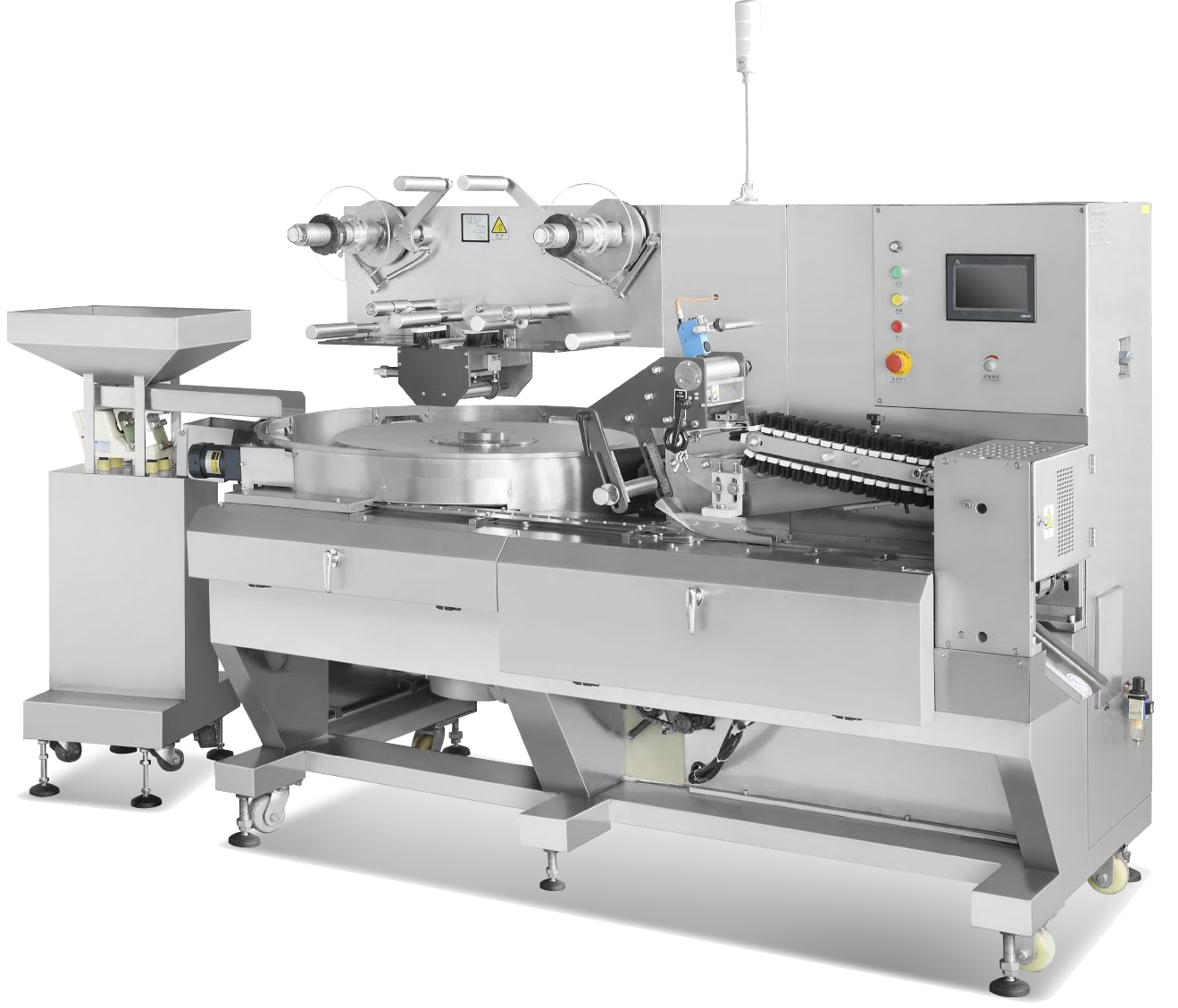
A confectionery line ran a high speed flow wrapper that jammed above a threshold, capping output and denting margins. Retuning film tension and a high speed wrapper with better pull restored rated speed. The owner learned that a flow wrapping machine lives or dies on film handling at rate. The case shows the unit must be tuned to the film, not just rated for speed.
Infeed control is the ceiling on speed. A wrapper can only run as fast as product arrives squarely and evenly, so the infeed and the timing screws matter as much as the machine itself. A horizontal flow pack line with a rough infeed jams long before it reaches its rating.
End seal pressure must match the pack. A heavy pack needs more dwell and pressure at the end seals than a light one, or the closure opens in transit. The high speed wrapper should offer a seal profile per format rather than one global setting.
Commissioning with the supplier present catches integration faults before full production begins.
A Bakery That Needed Clean Runs
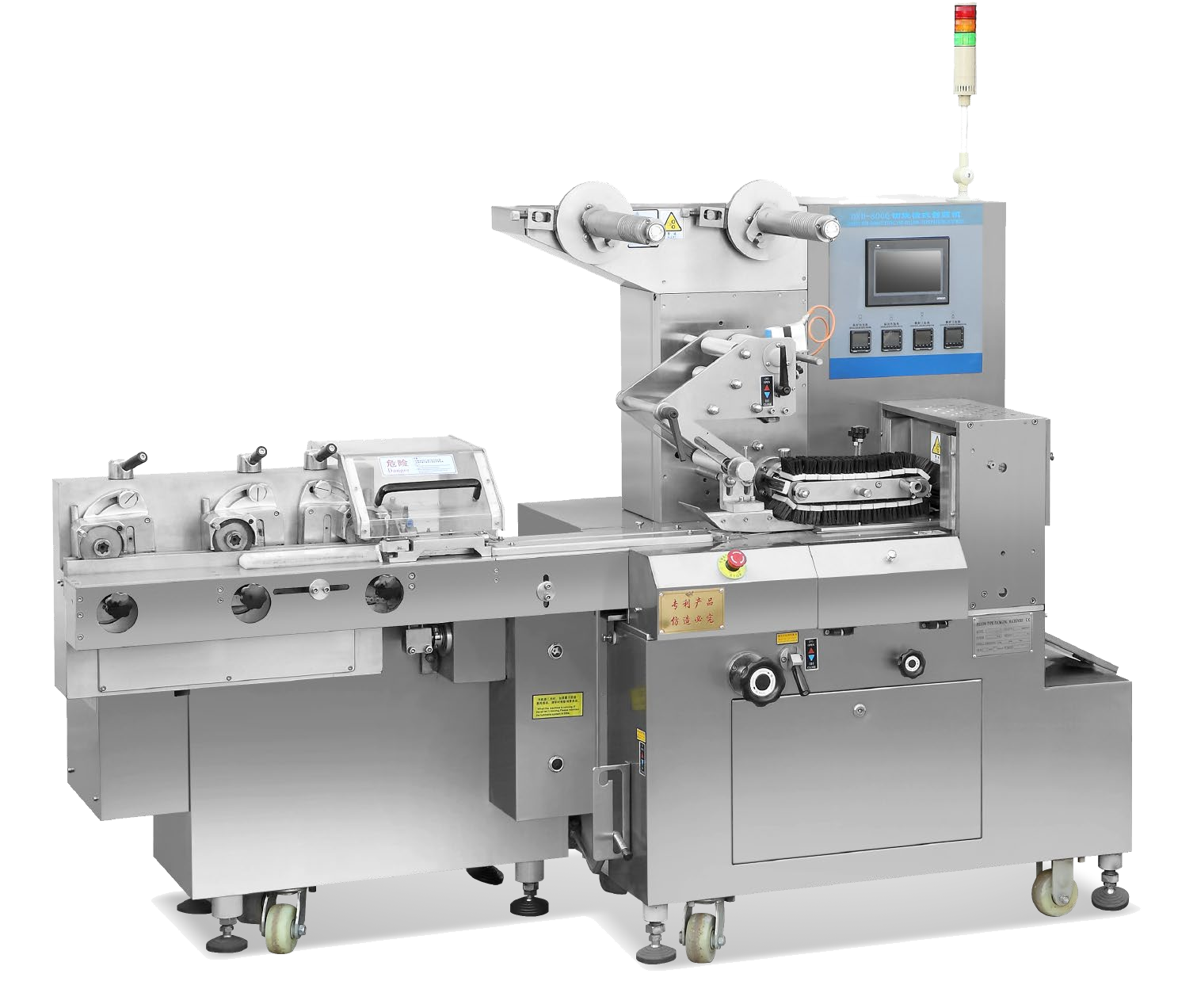
A bakery ran a horizontal flow pack line for sliced loaves and found crumbs jammed the high speed flow wrapper, stopping the flow wrapping machine. Adding a cleaner infeed and scheduled wipe-downs kept runs continuous. The buyer learned that a high speed wrapper needs product-specific handling, and that a horizontal flow pack setup planned for the item sustains speed the rating alone cannot.
Seal consistency holds at volume. Continuous heat drifts, so a high speed wrapper without seal monitoring leaks packs that only fail on the shelf. Flow wrapping at speed needs a closed seal zone and a reject path, or the defect ships by the hundred.
Transport synchronization avoids crushing. The conveyor speed, the film drag, and the cut timing must agree, or the pack is squeezed, torn, or mis-cut. A horizontal flow pack line tuned as a whole wraps cleanly at speed.
Operators trained on the full sequence make fewer errors than those who learn one station at a time.
Risk & Failure Mode Analysis
Film Jamming and Breaks
At high rate a high speed flow wrapper jams or breaks film when tension and pull are wrong, halting the flow wrapping machine and wasting stock. The risk grows with speed and film fragility, so the horizontal flow pack setup must be film-matched. A high speed wrapper set for one film fails on another, and flow wrapping machine stops turn speed into downtime.
Film economy is a design feature. Tension, drag, and the forming shoulder all change how much film a flow wrapping machine consumes, so two machines at the same speed can differ widely in material cost. Buyers should ask for the film usage per pack, not just the cycle rate.
Sensor placement decides jam recovery. Photocells and encoders positioned where they can detect a misfeed early turn a wrecked pack into a clean stop. A high speed wrapper that detects late destroys film and product on every fault.
Seal Drift and Leaks
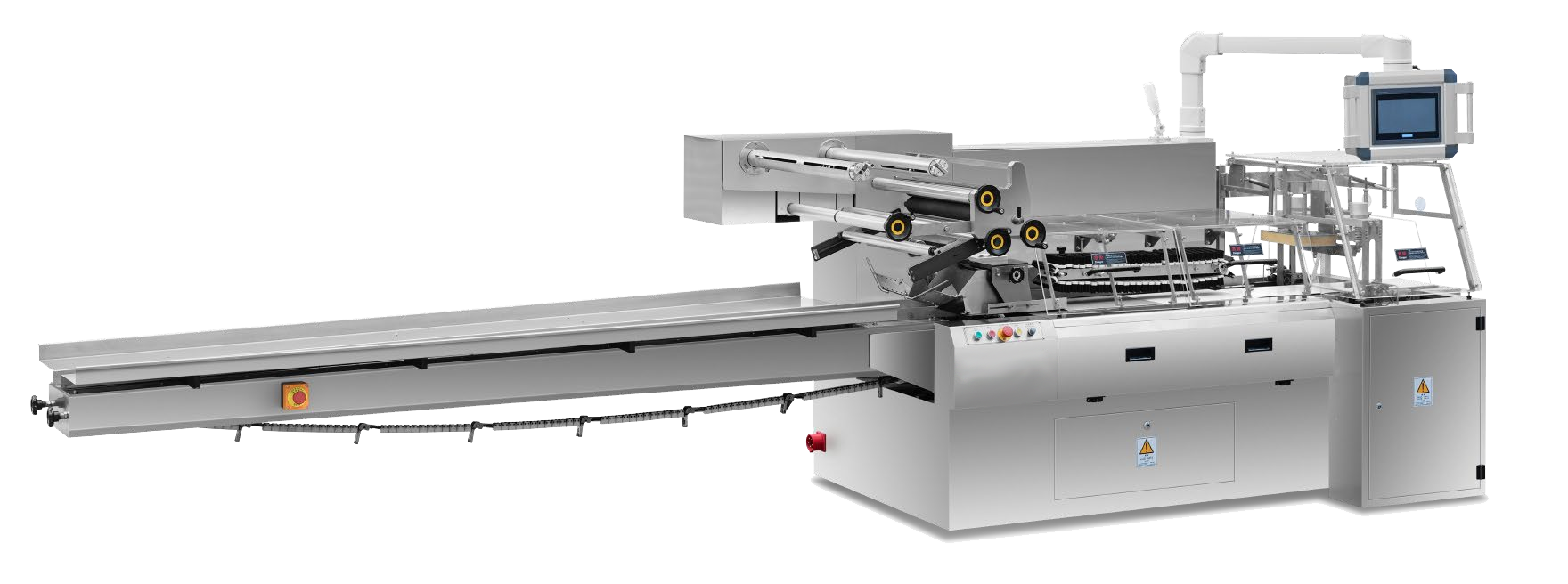
Continuous heat drifts; a high speed flow wrapper without control leaks seals at volume, spoiling packs by the hundred. The failure hides until the shelf, so the horizontal flow pack line needs seal monitoring. A flow wrapping machine that logs seal temperature protects the run, while an unmonitored high speed wrapper ships defects it cannot see.
Changeover between pack sizes costs output. A wrapper that needs tools and a long setup to switch format spends its flexibility on downtime, so format change should be timed before purchase. Quick-change tooling protects margin on a mixed schedule.
Energy and air consumption are real running costs. Pneumatic cylinders, vacuum generators, and heaters all draw continuously, so the consumption figures should be compared alongside the price. A flow wrapping machine with low running cost closes the gap on a higher purchase price.
Technical Principles & Standard Compliance
Film Handling, Heat Control, and Monitoring
A steady high speed flow wrapper rests on film handling, stable heat, and seal monitoring across the flow wrapping machine. A high speed wrapper with servo pull and adjustable dwell holds film at rate, and a horizontal flow pack line that reports seal temperature catches drift. The machine sustains output only when these are specified, not just the top speed on the plate.
Cleaning access extends life. Sugar, fat, and dust build up on the seal and transport surfaces of a high speed wrapper and cause both jams and weak seals, so the machine should open for cleaning without a full strip-down. A flow wrapping machine kept clean holds its speed and its seal quality.
A pre-installation site survey confirms the utilities, floor load, and access the line needs before delivery.
Actionable Buyer & Maintenance Guide
Specifying and Running the Wrapper
Buyers should choose the high speed flow wrapper by film, speed, and product, then confirm seal monitoring and a horizontal flow pack setup with the supplier. Suppliers of high speed flow wrappers such as Echo Packer lay out a flow wrapping machine plan that lists film and seal control. Running well means tension checks, seal logs, and clean infeed. A high speed wrapper maintained for rate keeps the horizontal flow pack line continuous and the packs sealed.
Film tension control prevents both waste and skew. Too little tension wrinkles the wrap and too much stretches it out of register, so the tension system should be adjustable and repeatable. A flow wrapping machine with a fixed tension setting runs well on one film and badly on the next.
Utilities such as power, air, and water should be specified with margin so the line runs without trips.
Frequently Asked Questions
Question 1: What causes jams at high speed?
Answer: Jams come from wrong film tension and pull, which a high speed flow wrapper set for one film cannot handle on another. The flow wrapping machine stops and wastes stock, so the horizontal flow pack setup must be film-matched. A high speed wrapper with servo handling and tuned tension holds rate without stopping.
Question 2: How are seals kept sound at rate?
Answer: Seals need stable heat and monitoring; a high speed flow wrapper that logs seal temperature catches drift before leaks. The horizontal flow pack line should reject bad seals, because a flow wrapping machine without checks ships defects. Buyers should specify seal control with the high speed wrapper, not just speed.
Question 3: What film handling matters?
Answer: Film handling decides whether the high speed flow wrapper sustains a horizontal flow pack run, because pull and tension at rate make or break film. The flow wrapping machine should offer servo control and adjustable dwell. A high speed wrapper tuned to the film keeps the line continuous rather than stopping on breaks.
Question 4: What maintenance sustains the run?
Answer: Maintenance covers film path, seal bars, and pull, with logged seal temperature on the flow wrapping machine. A horizontal flow pack line that records checks catches wear early, and the high speed wrapper stays within spec. Clean infeed and scheduled service keep continuous output.