
 EN
How to Select a Big Bag Vacuum Packaging Machine for Bulk Goods
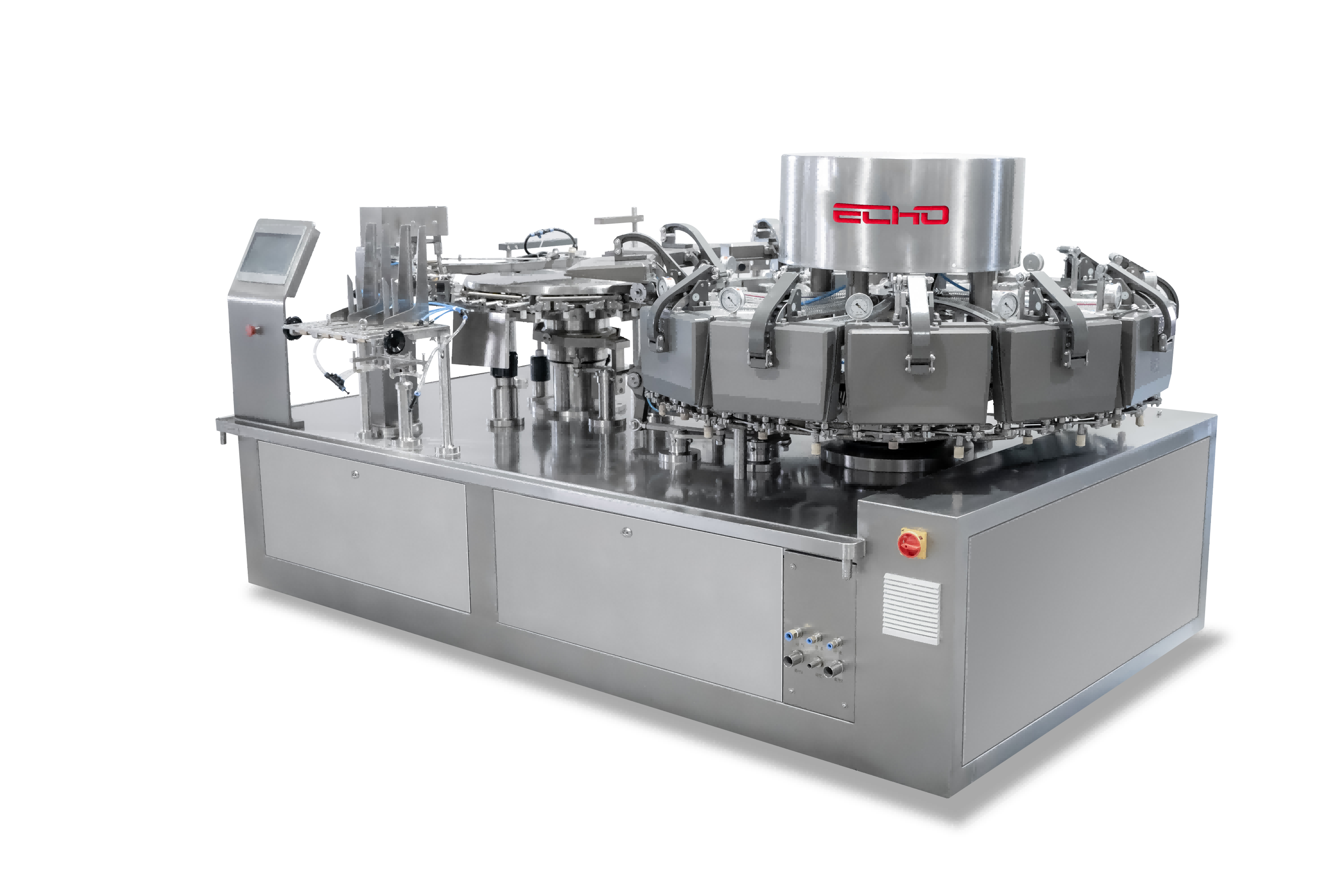
A big bag vacuum packaging machine handles bulk goods where a small sealer cannot, and the scale changes the risks from fiddly to structural. Buyers who specify the big bag vacuum packaging machine around tonnage and seal integrity avoid the failures that lose a whole batch. The material below covers cases, the failure modes at scale, the engineering that holds, and a buyer checklist for a vacuum packing line.
Real-World Industry Case / Scenario
A Powder Plant That Lost a Batch to a Bad Seal
A powder processor packed tonnes in a bulk bag vacuum run and one weak seal let air in, spoiling the lot. A big bag vacuum packaging machine with verified seal and a big bag sealer built for the tonnage would have caught it. The owner learned that at scale a single fault is a large loss, and the unit must verify every seal. The case shows the vacuum packing line is a quality gate, not just a closer.
Bag handling dominates the cycle. The machine must lift, position, and release a filled bulk bag without stretching the fabric or misaligning the neck, so the handling design matters as much as the vacuum. Buyers should watch a full cycle with a real bag before choosing.
Neck presentation decides seal quality. A bulk bag presented square, full, and flat seals evenly, while one that is twisted or underfilled leaves a channel. The handling and filling sequence should be designed to present the neck correctly every cycle.
Commissioning with the supplier present catches integration faults before full production begins.
A Commodity Trader That Needed Throughput
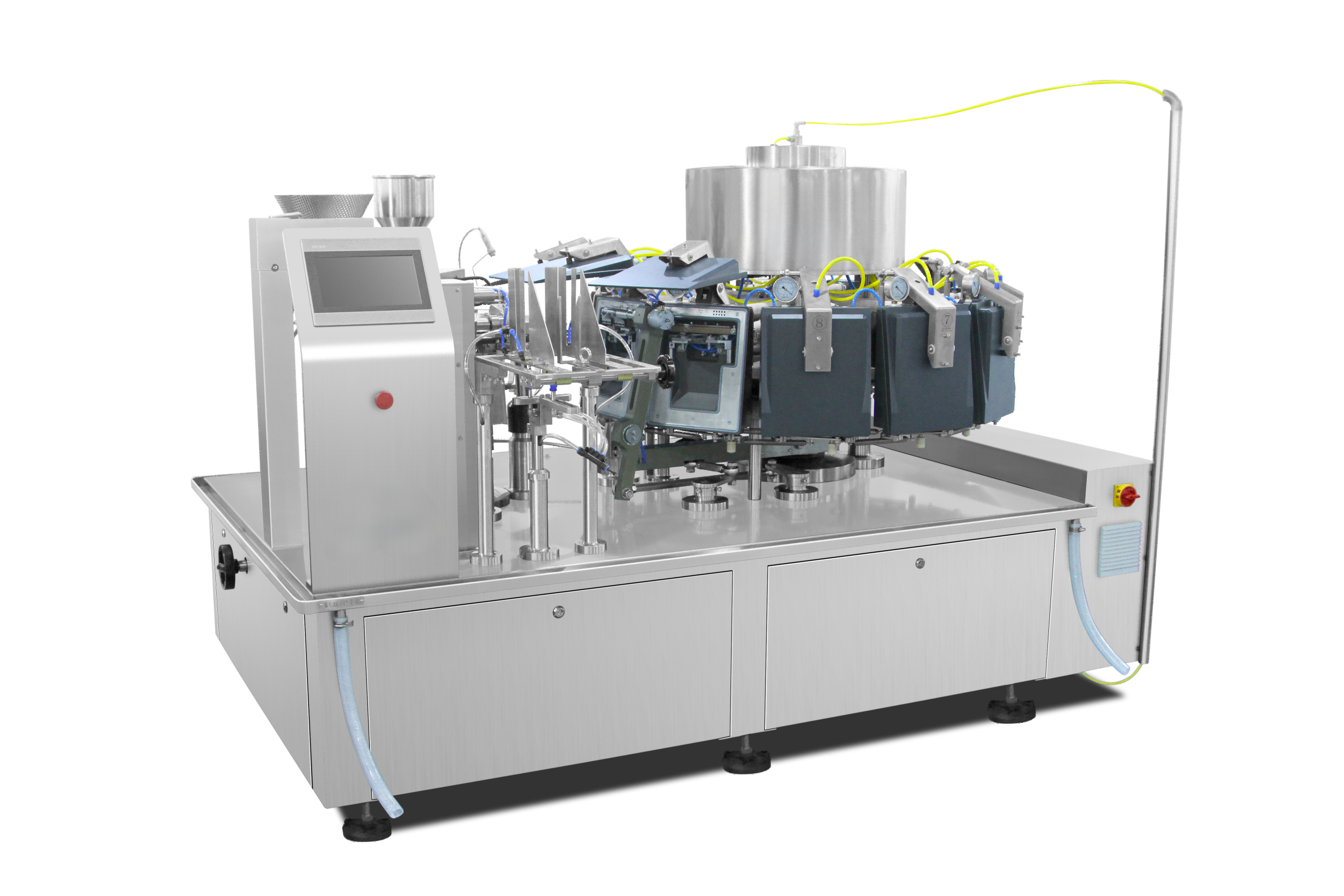
A trader moved bulk bag vacuum packs daily and found a slow big bag sealer bottlenecked the vacuum packing line. Specifying a big bag vacuum packaging machine matched to throughput with automated clamping lifted daily volume. The buyer learned that bulk bag vacuum work rewards cycle time as much as seal quality, and that the unit should suit the handling plan.
Seal area scales with the bag. A big bag sealer needs enough heated length and even pressure to close a wide neck, or the seal fails under stacking. The seal bar and the pressure arrangement should be matched to the largest bag the line will run.
Degassing needs a controlled ramp. Dense powders release air slowly, so a vacuum profile that ramps rather than snaps to full pull avoids blocking the filter and extends the cycle. A line with a single pull setting stalls on the difficult products.
Risk & Failure Mode Analysis
Seal Integrity at Scale
The dominant risk is a seal that holds small goods but fails under bulk bag vacuum load, where weight and headspace stress the closure. A big bag vacuum packaging machine with weak clamping or uneven heat leaks slowly and spoils tonnes. The fix is a big bag sealer with validated pressure and a vacuum packing line that checks each seal. Bulk bag vacuum packing without verification risks the whole batch on one closure.
Product protection drives the vacuum level. Powders and fragile goods need a gentler pull than dense solids, so the line should offer a controllable profile rather than a single setting. A unit with one speed crushes what it is meant to protect.
Filter condition protects the pump. Dust carried into the vacuum path fouls the filter and reaches the pump, so the filter should be on a cleaning or replacement schedule. A bulk bag vacuum line with a blocked filter loses pull and lengthens every cycle.
Handling and Contamination
Large bags stress handling and hygiene. A big bag vacuum packaging machine that lifts or positions poorly exposes product to contamination or worker strain. The risk is audit failure and injury, so the vacuum packing line should integrate safe handling. Bulk bag vacuum packs need clean transfer, and a big bag sealer placed without hygiene access invites residue between runs.
Throughput is limited by the slowest station. Filling, vacuuming, sealing, and palletising must be balanced, or the line waits at one point and idles at another. Buyers should review the whole flow rather than the headline cycle time of the sealer.
Pallet handling completes the cycle. A sealed bulk bag that cannot be moved cleanly to the pallet undoes the automation upstream, so the discharge and the pallet interface should be part of the specification. The line is only as fast as its slowest transfer.
Technical Principles & Standard Compliance
Clamping, Vacuum, and Verification
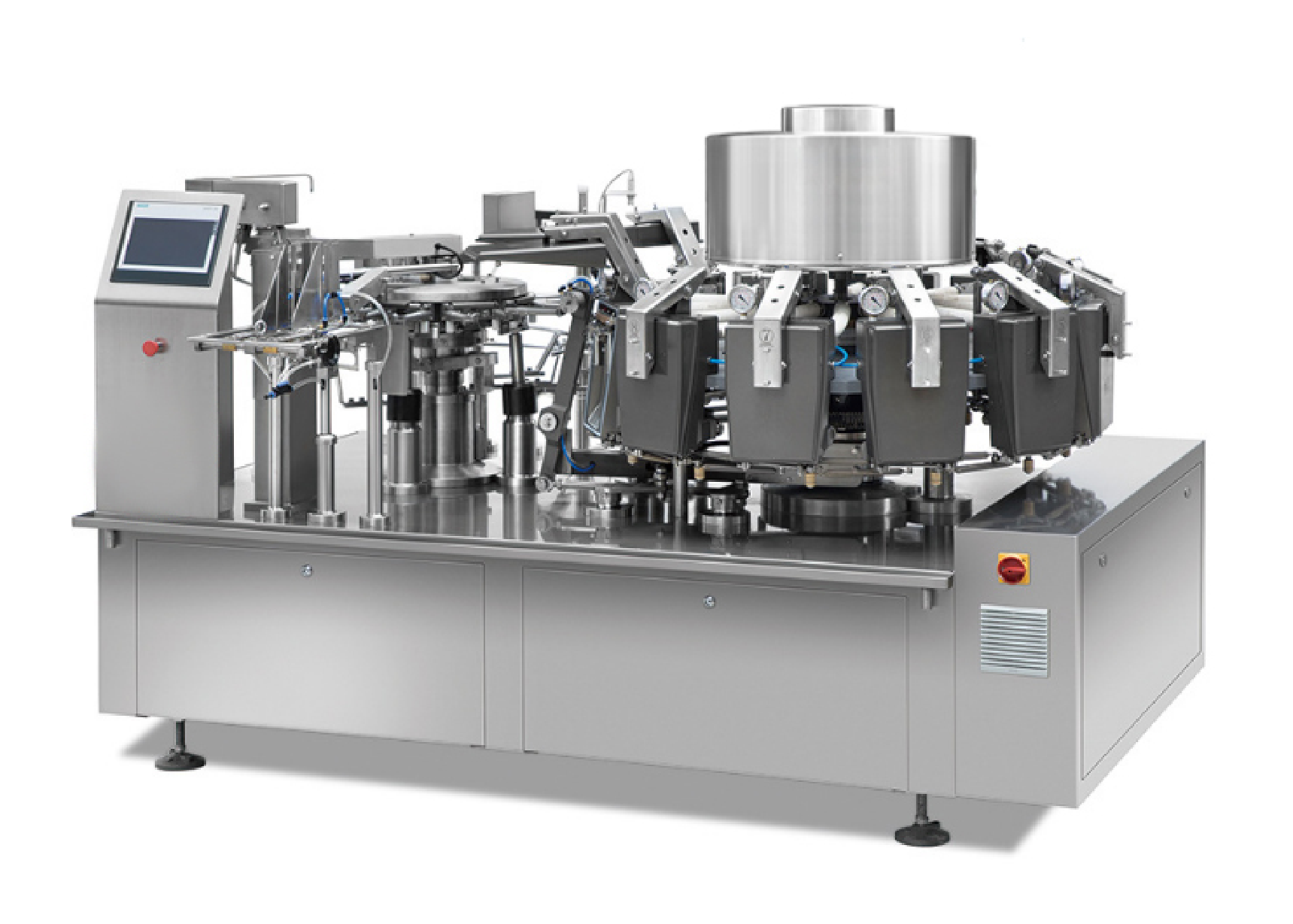
A reliable big bag vacuum packaging machine is built on strong clamping, a pump sized to the bag volume, and seal verification at the big bag sealer. The vacuum packing line should log vacuum level and seal result so a fault is caught, not shipped. For food or pharma, the bulk bag vacuum process must meet hygiene and traceability. A unit with these controls protects a full batch, not just a single seal.
Dust and containment need attention. Fine material escaping during filling fouls sensors and shortens seal bar life, so the line should include capture at the fill and seal stations. A machine kept clean runs longer and seals more consistently.
A pre-installation site survey confirms the utilities, floor load, and access the line needs before delivery.
Actionable Buyer & Maintenance Guide
Specifying and Servicing the Machine
Buyers should size the big bag vacuum packaging machine to bag size and tonnage, confirm seal verification, and plan the vacuum packing line handling with the supplier. Suppliers of big bag vacuum packaging machines such as Echo Packer provide a layout that shows clamp, pump, and seal checks. Upkeep means gasket and clamp inspection, pump service, and logged seal tests. A big bag sealer and bulk bag vacuum process maintained on a calendar keep the vacuum packing line safe and steady.
Bag material thickness changes the seal recipe. A woven bag, a polyethylene liner, and a paper layer each need a different temperature and dwell, so the big bag sealer should be specified against the actual bag construction. A seal recipe copied from another bag fails on the first production run.
Utilities such as power, air, and water should be specified with margin so the line runs without trips.
Frequently Asked Questions
Question 1: How is a big bag machine sized?
Answer: Size follows bag volume, tonnage, and cycle time, because the unit must hold the daily bulk bag vacuum load with margin. The vacuum packing line pump should recover between cycles, and the big bag sealer clamp must suit the bag. Buyers should match the machine to real throughput, not a brochure peak.
Question 2: Why verify every seal?
Answer: At scale one bad seal spoils tonnes, so the unit must verify each closure on the vacuum packing line. A big bag sealer with logged seal checks catches the fault before shipping, while unverified bulk bag vacuum packing hides the risk. Verification turns the seal from a hope into a record.
Question 3: What handling is needed?
Answer: Large bags need safe lifting and clean transfer around the machine, and the vacuum packing line should integrate that handling. Bulk bag vacuum packs stress hygiene access at the big bag sealer, so the layout must allow cleaning between runs. Planning handling avoids injury and audit gaps.
Question 4: What maintenance matters?
Answer: Maintenance covers clamps, gaskets, and the pump, with recorded seal tests on the vacuum packing line. A big bag sealer that logs vacuum and seal results catches drift early, and bulk bag vacuum integrity depends on this discipline. Scheduled service keeps the batch safe and the line running.