
 EN
EN
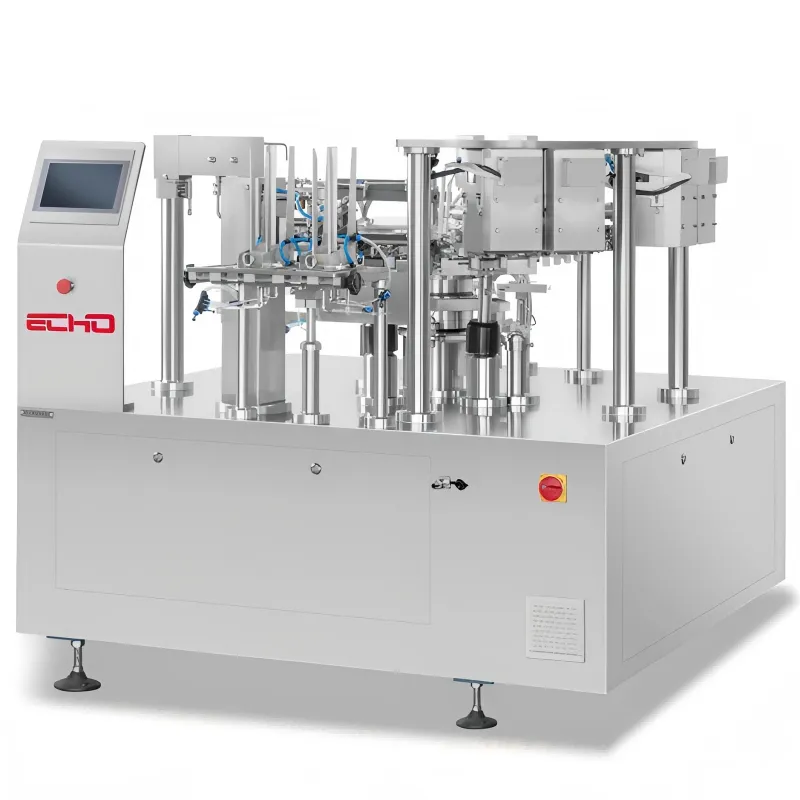
SMED and Standardized Work: Core Methodology for Pouch Packing Machine Changeover Reduction
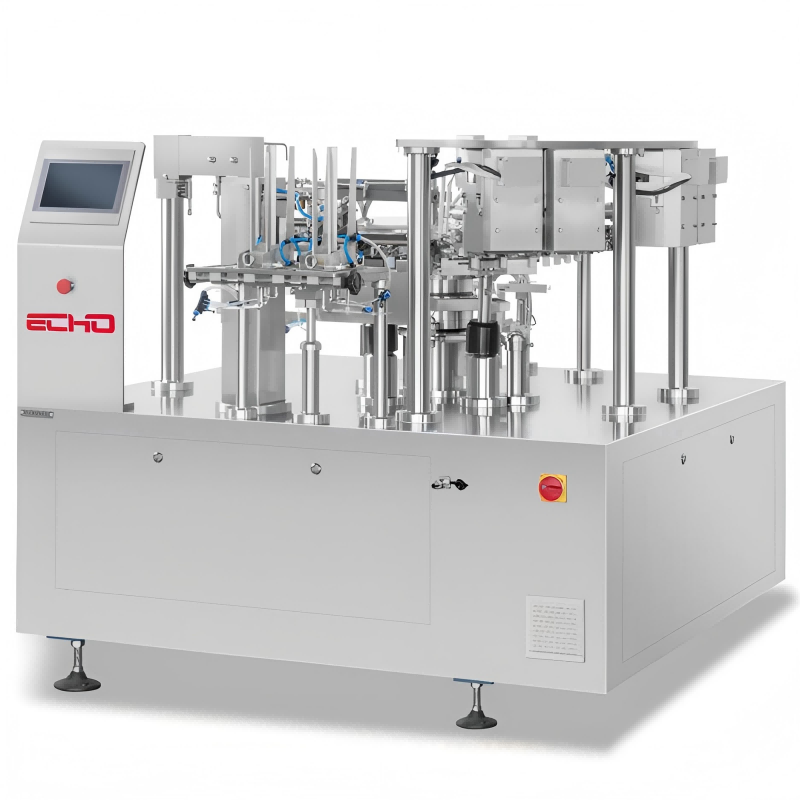
Separating Internal vs. External Setup Tasks in Pouch Line Contexts
When implementing SMED, the first step is clearly separating what needs to happen when machines are stopped versus what can be done while they're running. Internal tasks include things like adjusting sealing jaws or moving film guides that absolutely require stopping production. External tasks cover stuff like getting film rolls ready ahead of time, cleaning tools, and checking recipes, all of which can happen during normal operations. Moving around 60% of these setup activities into the external category cuts down changeover times significantly, maybe even by 40% according to some industry reports from Kaizen back in 2023. What this means in practice is better machine uptime and increased output across the board. With this approach, manufacturers can actually prepare for upcoming product changes related to different films, pouch shapes, and seal settings without having to halt their entire production line.
Standardizing Changeover Sequences Across SKUs and Film Types
Standardized work transforms changeovers from ad-hoc efforts into repeatable, error-resilient processes. For pouch packing machines, this means codifying precise sequences for high-frequency transitions—such as switching from stand-up pouches to spouted bags—with embedded tolerances, torque values, and validated parameter sets. Critical elements include:
- Visual alignment guides calibrated to ±0.2 mm tolerance
- Torque specifications for quick-release clamps, enforced via preset tools
- Pre-validated film tension and temperature profiles for common mono- and multi-layer structures
This consistency cuts changeover-related errors by 35% and slashes new-operator training time by 50%. When integrated with modular hardware, standardized workflows reliably support sub-15-minute changeovers—even for demanding applications like laminated barrier films or reclosable zippers.
Equipment Design Enablers: Quick-Release and Tool-Free Adjustments for Pouch Packing Machine Flexibility
Mechanical design is the foundation of rapid changeover capability. Traditional pouch packing machines—relying on wrench-tightened bolts, manual film reel mounting, and iterative seal-bar tuning—contribute to 30–40% of unplanned downtime during transitions (Packaging Digest 2023). Purpose-built agility features eliminate these bottlenecks:
- Spring-loaded, clamp-free film reel mounts that lock with a single press
- Bayonet-coupled spout feeders enabling sub-30-second swaps
- Quarter-turn sealing jaw systems with integrated position memory
These tool-free mechanisms allow critical adjustments to occur during production, decoupling setup preparation from machine idle time.
Modular Tooling and Interchangeable Sealing Modules
Modularity converts complex mechanical reconfiguration into simple, operator-driven assembly. Instead of recalibrating individual jaws, guides, or nozzles, operators replace fully engineered, pre-aligned modules using single-lever releases.
Digital Levers: Electronic Work Instructions and Automated Recipe Recall for Reliable Multi-SKU Transitions
When it comes to bridging the divide between standardized procedures and actual operations on the factory floor, digital solutions are making all the difference. Traditional paper checklists and those tedious manual entries just create inconsistencies from one shift to another, especially when operators have different levels of expertise. That's where electronic work instructions (EWI) step in alongside automated recipe systems. These technologies actually store all that hard-earned knowledge right within the machine interface itself. So no matter who's running the equipment or how much experience they bring to the table, each production changeover sticks to the exact same verified process every single time.
Eliminating Human Variability with Guided, Context-Aware EWI
The context aware EWI system provides real time instructions that change based on what specific product is being worked on, the kind of film used, and how the machine is set up. Workers go through guided processes that include video clips, animated diagrams showing parts in action, and clear directions about tightening forces needed at each stage. Important quality checks like making sure nozzles are positioned correctly or confirming seal bars are aligned properly need to be digitally confirmed before moving forward, which stops people from skipping crucial steps. If something goes wrong during setup, like when a gasket isn't placed right or tension measurements fall outside acceptable ranges, the system catches these issues instantly and actually stops operations until they're fixed. The results speak for themselves: we see around 98 percent compliance rates regardless of operator skill level, meaning almost zero wasted time fixing mistakes from improperly configured packaging equipment.
FAQ
What is SMED?
SMED stands for Single-Minute Exchange of Die, a lean manufacturing methodology designed to reduce changeover times in production machinery.
How do standardized work processes improve pouch packing machine changeovers?
Standardized work processes make changeovers repeatable and error-resistant by using precise sequences, embedded tolerances, and validated parameters.
What are quick-release and tool-free adjustments?
Quick-release and tool-free adjustments refer to mechanical design features that allow for rapid changes and setups in equipment without using traditional tools.
What role do electronic work instructions (EWI) play in reducing human error?
EWIs provide guided and context-aware instructions, removing human variability and ensuring consistent and error-free setups.
Table of Contents
- SMED and Standardized Work: Core Methodology for Pouch Packing Machine Changeover Reduction
- Equipment Design Enablers: Quick-Release and Tool-Free Adjustments for Pouch Packing Machine Flexibility
- Digital Levers: Electronic Work Instructions and Automated Recipe Recall for Reliable Multi-SKU Transitions