
 EN
EN
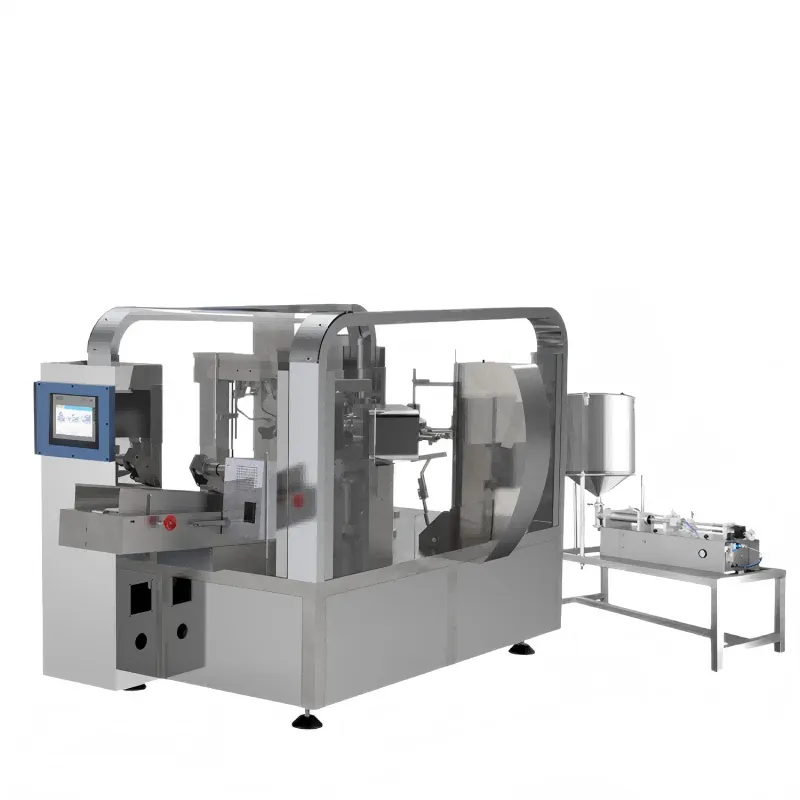
How Premade Pouch Packing Machines Handle High-Viscosity Fluids
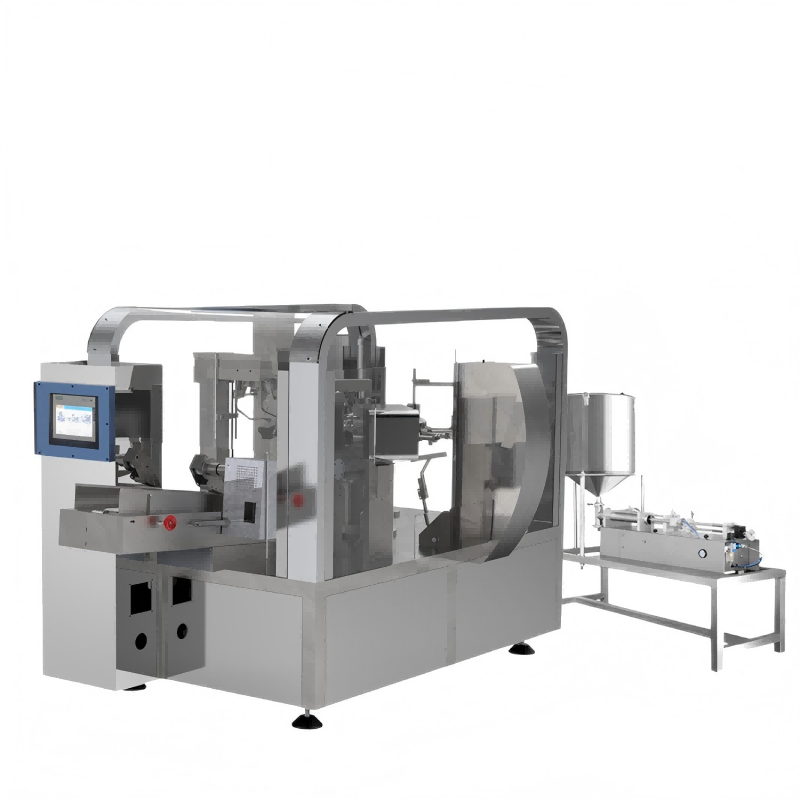
Why Standard Fillers Fail with Viscous Materials
Regular volumetric or gravity filling systems have real trouble handling anything thicker than about 5,000 centipoise because these viscous materials just don't flow properly. Think about those thick adhesives, gooey gels, or syrupy substances they try to fill. Gravity basically stops working on them, so what happens? The containers get filled unevenly and lots of product gets stuck in the nozzles after dispensing. This means we end up with underfilled packages, slower production lines, and sometimes as much as 15 percent wasted product. And it's not just about getting the right amount in there either. When air gets trapped during filling, it messes up the accuracy completely. Plus, when material strings out from the nozzle like taffy, it causes problems with sealing and leaves residue all over the equipment that needs cleaning later.
Positive Displacement Pumping: The Core Mechanism in Reliable Pouch Packing Machines
Today's ready-made pouch packaging equipment often uses positive displacement pumps when dealing with thick products. These differ from standard gravity feed or volume-based systems because they actually trap exact amounts of liquid inside closed compartments. The mechanism typically involves components like pistons, gears, or rotating lobes that push the product forward no matter how much resistance there is in the system. What makes these pumps so effective? They maintain around half a percent accuracy in filling rates even when handling extremely viscous materials reaching as high as fifty thousand centipoise. This level of precision brings several benefits worth noting:
- Zero shear degradation: Gentle handling preserves rheological integrity of sensitive products like silicone pastes
- In-line pressure control: Maintains consistent flow without splashing or foaming
- Adaptive suction: Handles particulates in suspensions without clogging
-
Minimal residue: Reduces product loss to
Pump Selection Guide for Viscous Product Filling
Piston vs. Rotor Pumps: Accuracy, Cleanability, and Rheology Matching
Choosing the right pump for thick substances over 5,000 centipoise comes down to three main factors: how accurate it is, how easy it cleans, and whether it matches the product's flow characteristics. Piston pumps are pretty precise at around plus or minus half a percent volume accuracy, but their seals wear out faster and need regular attention. These work well for materials that don't mind being sheared during pumping, such as industrial adhesives and construction sealants. Rotor type pumps, including those with lobes or gears, handle delicate products better since they apply less shear force. Cosmetics manufacturers love them for things like lotions and sauces, though accuracy can slip by about 1.5% when dealing with changing viscosities. When it comes to cleaning requirements, there's a big difference between these options. Most piston pumps have parts that must come completely apart for proper sanitation, whereas rotor systems with smooth, polished surfaces allow for quicker clean-in-place operations without all the hassle of dismantling components.
When to Choose Ceramic-Coated Piston Pumps for Sterile, High-Accuracy Applications
For sterile applications where contamination just can't happen, like in pharmaceutical manufacturing or nutraceutical production, ceramic coated piston pumps are a must have. These pumps feature a non porous ceramic surface that bacteria simply don't stick to, plus they hold up against harsh cleaning chemicals better than regular models. This means facilities spend about 30 percent less time on cleaning cycles. The exceptionally smooth finish also keeps products from getting stuck inside, resulting in less than 0.1% variation when filling vaccine vials or other biological products. Another big advantage is that these coatings stop metal ions from leaching into formulations, whether they're acidic or alkaline. This helps manufacturers stay compliant with those strict FDA regulations outlined in 21 CFR Part 11 without breaking a sweat.
Precision Filling Engineering: Eliminating Drip, Stringing, and Residue
High-viscosity products—including gels, pastes, and thick sauces—pose distinct engineering challenges for premade pouch packing machines: post-fill dripping, stringing, and nozzle residue. Advanced solutions target these issues directly.
Anti-Drip Nozzles and Diving Fill Technology for Sticky Premade Pouches
When hydrophobic coated nozzles work together with those pneumatic shut off valves, they basically cut off the product flow right away after dispensing happens. There's also this thing called diving fill technology involved here too. Basically what happens is the nozzles actually go down into the pouch while filling takes place. This whole setup gets rid of those pesky air gaps that lead to splashing and stringing issues. Some tests done by third parties have found around 78 percent less stringing compared to regular old systems out there. For stuff like adhesives or those tricky pharmaceutical gels, getting this kind of control matters a lot because even tiny amounts of leftover material can mess up the perfect seal we need for proper packaging.
Hermetic Sealing Integration and Vacuum-Assisted Suck-Back Control
When filling operations complete, integrated vacuum systems kick in within milliseconds to pull back any excess material hanging around the nozzle tips. This so-called "suck-back" mechanism works hand in hand with those tight sealing jaws to keep product contamination away from critical seal areas. Contaminated seals are actually the number one reason pouches fail when dealing with thick, sticky products. The whole closed loop setup cuts down on wasted material during purging by almost 93%, which is pretty impressive considering it still manages to maintain fill accuracy within half a percent tolerance. And this all works reliably even for super viscous materials that clock in above 50,000 centipoise viscosity levels.
CIP Compatibility and Contamination Control for Viscous Product Lines
Good Clean-in-Place (CIP) protocols just can't be ignored when dealing with products that have a thick consistency. The sticky stuff left behind from things like sauces, glues, or gel-like substances tends to stick around after regular cleaning attempts. This creates real problems with contamination risks and makes it hard to maintain proper hygiene standards. Many modern pouch packaging systems now come equipped with automatic CIP functions. These systems take away the need to tear everything apart manually, which saves quite a bit of time during maintenance periods. Some reports suggest these automated processes cut down on downtime somewhere around two thirds compared to traditional methods, plus they deliver consistent results every single time without fail.
When it comes to essential design features, we're talking about materials that resist corrosion like good old 316L stainless steel, along with those smooth fluid paths that avoid any pesky crevices where stuff can get stuck. The nozzles themselves need to pack some punch too, designed specifically to blast away those stubborn viscous deposits that tend to build up over time. Temperature and flow controls that can be programmed really make a difference here, letting operators adjust how intense the cleaning process needs to be based on what kind of mess they're dealing with. For facilities running Clean-In-Place systems, hermetic seals are a must have because they stop air from getting in where it shouldn't. And let's not forget about vacuum-assisted suck back technology which basically stops dripping after filling operations. These features aren't just nice to have either they're absolutely necessary if companies want to meet those strict FDA and EHEDG hygiene requirements in industries ranging from food production all the way through pharmaceutical manufacturing and even personal care products.
FAQ
What types of products typically require positive displacement pumps for pouch packaging?
Products with thick viscosities greater than 5,000 centipoise, such as adhesives, gels, pastes, and thick sauces, often require positive displacement pumps for effective and precise pouch packaging.
Why is ceramic coating important for piston pumps in sterile applications?
The ceramic coating provides a non-porous surface that prevents bacteria from sticking, offers resistance to harsh cleaning chemicals, and minimizes risks of metal ion leaching, making it ideal for sterile applications in pharmaceuticals and nutraceuticals.
What are the advantages of diving fill technology and anti-drip nozzles?
These technologies minimize product splashing and air gaps during the filling process, effectively reducing stringing by approximately 78%, which ensures proper sealing and reduces leftover material that could compromise package integrity.
Table of Contents
-
How Premade Pouch Packing Machines Handle High-Viscosity Fluids
- Why Standard Fillers Fail with Viscous Materials
- Positive Displacement Pumping: The Core Mechanism in Reliable Pouch Packing Machines
- Pump Selection Guide for Viscous Product Filling
- Precision Filling Engineering: Eliminating Drip, Stringing, and Residue
- CIP Compatibility and Contamination Control for Viscous Product Lines
- FAQ