
 EN
EN
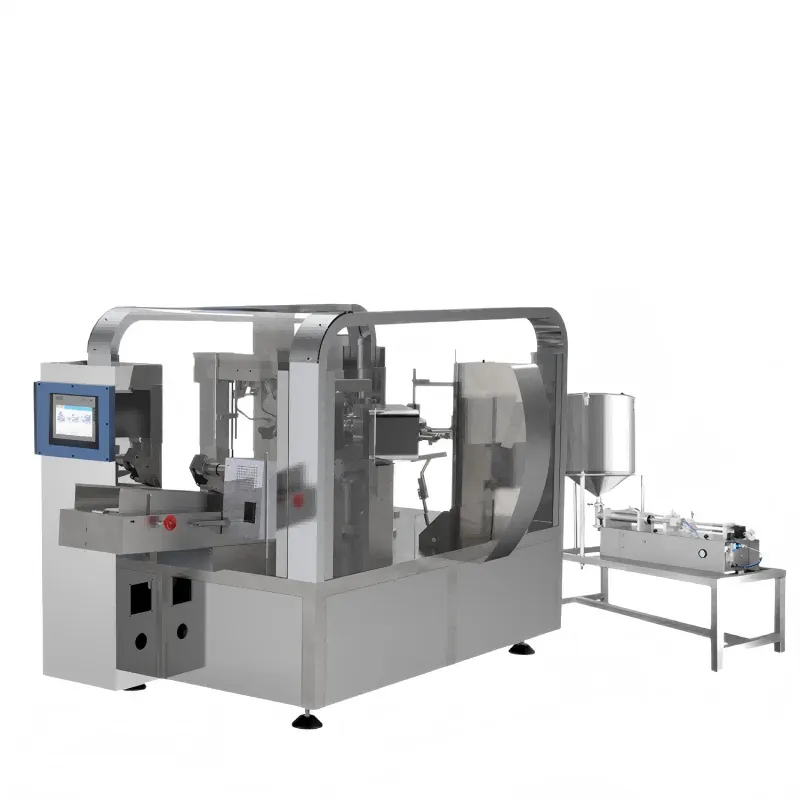
Speed Optimization: How Premade Pouch Packaging Machines Achieve High Throughput
Dual-Station Fill-Seal Architecture and High-Speed Indexing
Dual station design in premade pouch packaging machine helps get around those pesky throughput issues because filling happens at the same time as sealing across two separate work areas. This setup cuts out all that wasted waiting time between steps and keeps products moving nonstop through the system. The machines actually use high speed rotary indexing systems to move pouches from one station to another really fast - we're talking over 120 pouches every single minute! And when manufacturers need even more capacity, they can just add additional lanes which scales production right along with it. Automated feeding systems and conveyor belts integrated into these machines cut down on manual labor problems by roughly 40 percent based on industry standards for packaging efficiency. That means fewer workers getting stuck doing repetitive tasks and more consistent output quality overall.
Real-Time Servo Control Cutting Cycle Time by Up to 35%
Modern servo motors capable of responding in fractions of a millisecond can adjust motion patterns during key stages like filling products into containers, transferring items between stations, and applying seals. These advanced systems basically eliminate unwanted mechanical movements and cut down on those frustrating acceleration and deceleration pauses that slow things down. According to recent research published last year in an industry report on automation, facilities using these new motor technologies process materials about 35 percent quicker than older pneumatic setups without sacrificing precision. The positioning remains accurate within half a millimeter either way. What makes this technology really stand out is how it constantly adjusts based on real time feedback. The robotic arms learn from each movement and fine tune their paths while controlling the pressure applied by sealing jaws. This means fewer defective packages caused by rushing through operations too fast. For years there was always a compromise between going fast enough to meet production targets versus making sure everything worked reliably. Now food manufacturers finally have both speed and dependable performance on their packaging lines.
Consistency Assurance: Precision Automation and Closed-Loop Quality Control
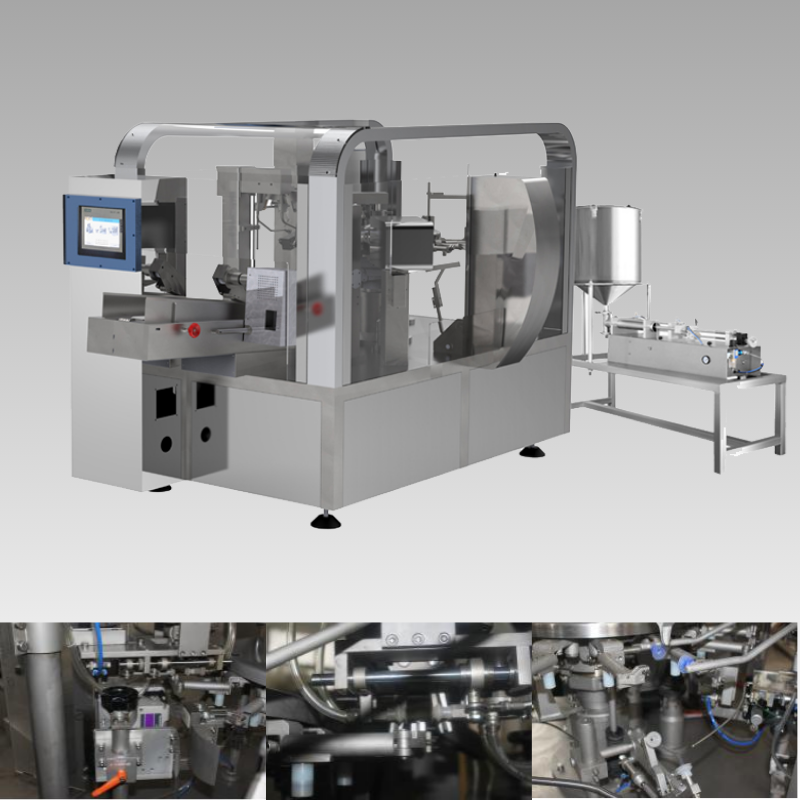
Vision-Guided Monitoring of Fill Level, Weight, and Seal Integrity
Modern multi-point vision inspection setups keep checking those essential quality factors all through the production line. The system has these high res cameras that check how much product goes into each package, staying within about 1% accuracy most of the time. Then there are the built-in load cells making sure everything weighs correctly even when the machine is cranking out over 100 pouches every minute. And don't forget the thermal imaging part either which spots tiny leaks down to 5 microns in size before they become bigger problems, automatically sending defective units off for rejection. When tested in actual snack manufacturing settings, companies saw their packaging waste drop somewhere around 30%, though results can vary depending on what exactly is being packaged and how fast the lines run.
Resolving the Speed-vs-Uniformity Paradox with Adaptive Feedback Systems
Closed-loop adaptive feedback systems use sensor data such as viscosity shifts in sauces or particulate density changes in dry mixes to instantly adjust fill pressure and sealing dwell times. This prevents overfilling during product variation without sacrificing throughput, sustaining 98% first-pass yield rates even at maximum production capacity.
Real-World Impact: Industry-Specific Applications and Performance Validation
Case Study: ECHO Machinery Co., Ltd. Delivers 120 ppm for Snack Bars
ECHO Machinery Co., Ltd. achieved 120 ppm throughput for snack bar production using servo-driven indexing systems that cut changeover time by 30% versus mechanical alternatives. The solution maintained ±1% weight accuracy across 12-hour runs eliminating manual handling errors cited in 2023 food safety audits.
Versatility Across Segments: Sauces, RTE Meals, and Dry Snacks
These machines deliver consistent performance across diverse applications:
- Sauces/Oils: Handle viscous products up to 500 cP with leak-proof seals
- Ready-to-eat (RTE) meals: Preserve particulate distribution in chunky soups
- Dry snacks: Achieve 99.8% seal integrity for oxygen-sensitive products like nuts
Industry trials from 2024 show 23% higher line efficiency versus manual filling for low-moisture foods driven by automatic compensation for film thickness variations when switching between laminated and mono-material pouches.
FAQ
How do servo motors improve the performance of packaging machines?
Servo motors enhance performance by enabling real-time motion adjustments at every stage of the packaging process, cutting cycle time and ensuring precise positioning with minimal errors, thus maintaining high output while preserving accuracy.
What role does vision-guided monitoring play in quality control?
Vision-guided monitoring is crucial for maintaining quality by using high-resolution cameras to inspect fill levels, weights, and seal integrity, ensuring accuracy and identifying defects early in the production line.
How do adaptive feedback systems resolve the speed-versus-uniformity issue?
Adaptive feedback systems instantly adjust fill pressure and sealing times based on sensors detecting product variations, ensuring consistent product quality while preserving high throughput.
What is the main advantage of using dual-station design in premade pouch packaging machines?
The dual-station design enables simultaneous filling and sealing across two separate work areas, reducing waiting times and enhancing throughput efficiency, leading to quicker production cycles.
Table of Contents
- Speed Optimization: How Premade Pouch Packaging Machines Achieve High Throughput
- Consistency Assurance: Precision Automation and Closed-Loop Quality Control
- Real-World Impact: Industry-Specific Applications and Performance Validation
-
FAQ
- How do servo motors improve the performance of packaging machines?
- What role does vision-guided monitoring play in quality control?
- How do adaptive feedback systems resolve the speed-versus-uniformity issue?
- What is the main advantage of using dual-station design in premade pouch packaging machines?