
 EN
EN
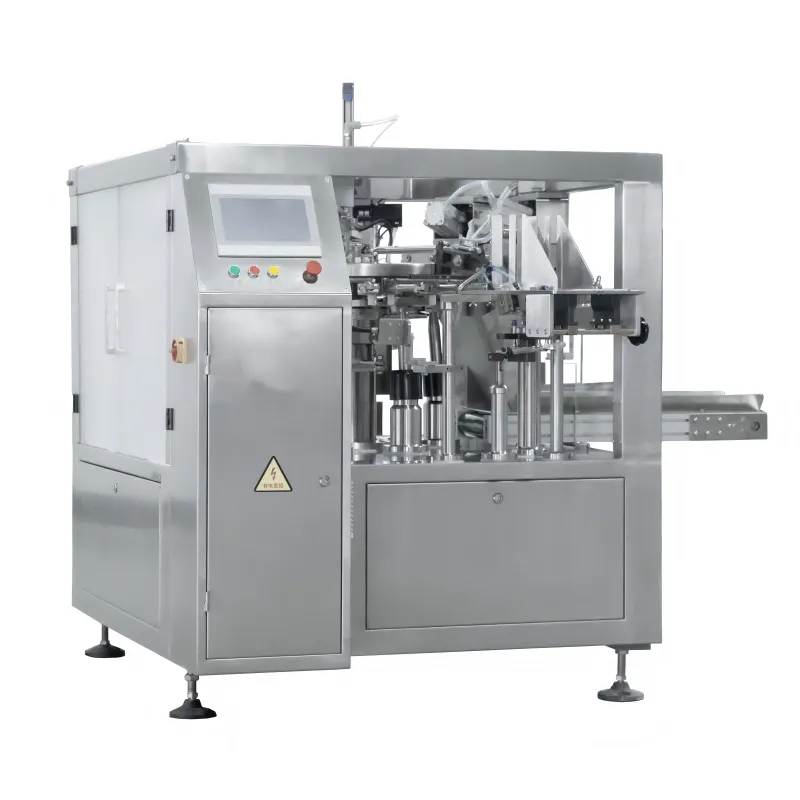
Rapid Changeover via Servo-Driven Automation and Smart Recipe Management about Packaging Machine
How servo-driven motion control slashes changeover time by up to 70%
Packaging machines powered by servos really boost how fast production can adapt. Instead of spending hours changing formats, these machines can switch in just minutes flat. The motors are so precisely controlled they basically do away with all those tedious manual adjustments we used to have to make with cams or gears. Operators just pick from pre-approved settings on the machine's interface screen, which has cut down changeover times somewhere between 60 and 70 percent according to what manufacturers report in their case studies. Less downtime means factories save money and respond much quicker when customer needs shift unexpectedly. And there's another benefit too: fewer mistakes happen because people aren't fiddling with parts as much. This matters a lot for companies in regulated industries where getting things wrong costs them about seven hundred forty thousand dollars every year on average, according to research published by the Ponemon Institute back in 2023.
HMI-integrated recipe management: Eliminating manual setup errors in high-mix production
Having centralized recipe libraries with version control makes sure everything stays consistent even when dealing with lots of different SKUs. When it's time to switch products, operators just pull up already checked parameters like how much gets filled, what temperature seals need, and how fast conveyors should run right from the touchscreen interface. The system takes care of applying these settings automatically, which means no more messing around with manual adjustments that used to cause about a third of all production problems. This approach stops those annoying packaging mistakes and saves materials while making it much quicker to get new products running on the line. Companies that have implemented this kind of system are seeing around 99.4% uptime after installation, showing just how dependable digital standards can be when handling multiple product lines at once.
Modular Packaging Machine Design for Seamless Format Flexibility
Swappable tooling systems supporting pouches, sachets, and stick packs without hardware replacement
Modular packaging systems turn fixed production lines into flexible workhorses by breaking them down into standard modules that handle specific tasks such as filling products, sealing packages, or cutting materials. When manufacturers want to switch from making pouches to sachets or stick packs, they simply replace the appropriate module thanks to easy-to-use release mechanisms. There's no need to completely redesign entire production lines for different formats. The plug and play nature means companies don't have to invest in separate machines for each package type or spend big bucks on major system overhauls. According to Pack Leader USA, these interchangeable components form the backbone of efficient scaling in today's packaging operations, letting businesses respond quickly to changing market demands without breaking the bank.
Real-world benchmark: Modular platform reduced format-change downtime from 90 to <12 minutes
A food processing company in North America cut down their format change downtime dramatically, going from around 90 minutes down to just under 12 minutes after switching to a modular packaging system according to the 2024 Packaging Benchmark Report. This was possible thanks to those new quick release clamps and digital alignment tools that basically eliminated all the manual calibration work. Back when they used to need three techs for these changes, now it takes just one person to handle everything. Cutting transition time by about 87% means they get roughly 380 extra production hours each year. That kind of efficiency boost isn't just good on paper either it actually gives them real competitive edge in how flexible they can be operationally.
Broad Product Compatibility Across Sizes, Weights, and Materials
Packaging machine adaptability—from 5g pharmaceuticals to 5kg pet food—without re-engineering
Advanced servo-driven actuators and adaptive control systems enable a single packaging line to handle extreme product ranges—from delicate 5g pharmaceutical doses to heavy 5kg pet food bags—without mechanical reconfiguration. This cross-industry versatility supports diverse applications:
- Fragile cosmetic vials requiring micron-level filling accuracy
- Viscous food pastes demanding specialized nozzle dynamics
- Abrasive industrial chemicals processed in corrosion-resistant components
Material compatibility extends across substrates—from breathable medical-grade films to sustainable multi-layer laminates—while maintaining consistent seal integrity. By standardizing on flexible platforms, manufacturers reduce engineering and validation costs by up to 40% (Packaging Digest, 2023) and accelerate response to emerging market opportunities.
Strategic Business Impact: Flexible Packaging Machines as Growth Enablers
Case study: Regional FMCG brand launched 4 new SKUs in 8 weeks using one flexible packaging machine
A local fast moving consumer goods company managed to get four completely different product lines onto store shelves within eight short weeks using just one versatile packaging machine equipped with servo motors and interchangeable tools. The system allowed operators to switch between products instantly through touchscreen interfaces, without having to spend days adjusting machinery manually. This cut down their time to market by around three quarters compared to previous product introductions, giving them access to those crucial holiday shopping periods when competitors were still stuck in development. Instead of buying several specialized machines for each product type, they saved money and saw nearly 40% better returns on investment from this setup. Plus, the equipment ran almost constantly at 99.6% efficiency during this intense production phase, showing how flexible manufacturing solutions can really drive business expansion when done right.
FAQ
What is servo-driven motion control?
Servo-driven motion control is a system that uses servo motors to allow precise control of machinery movements. This technology significantly reduces the amount of manual adjustments required in packaging machines, streamlining the transition between different production tasks.
How does recipe management improve production consistency?
Recipe management holds all task parameters centrally which operators can access directly from a touchscreen interface. This ensures consistent settings when switching products, lowering the risk of production errors.
What are modular packaging systems?
Modular packaging systems break down production lines into standard modules that execute specific tasks, allowing manufacturers to easily switch between product formats by swapping modules without redesigning the entire production line.
How do flexible packaging machines minimize product launch time?
Flexible packaging machines minimize product launch time by facilitating quick transitions between different product configurations through servo motors and interchangeable tools, reducing the need for manual machinery adjustments, enhancing efficiency, and enabling fast response to market demands.
Table of Contents
- Rapid Changeover via Servo-Driven Automation and Smart Recipe Management about Packaging Machine
- Modular Packaging Machine Design for Seamless Format Flexibility
- Broad Product Compatibility Across Sizes, Weights, and Materials
- Strategic Business Impact: Flexible Packaging Machines as Growth Enablers
- FAQ