
 EN
EN
The Chocolate Packaging Challenge
Chocolate is hygroscopic — it absorbs moisture from surrounding air. At humidity above 60 percent, unprotected chocolate develops sugar bloom within days. The white, grainy discoloration does not make the product unsafe, but it makes it unsellable. For confectionery brands committing to sustainable paper packaging for chocolate, moisture resistance is a shelf-life requirement, not a marketing preference.
What Moisture Does to Chocolate
Sugar bloom occurs when surface moisture dissolves sugar crystals, which recrystallize as water evaporates, leaving rough, light-scattering deposits. Fat bloom follows a different pathway — temperature fluctuations cause cocoa butter to separate and migrate to the surface. The two defects often appear together because the conditions that cause one frequently accompany the other.
Paper packaging for chocolate must address moisture ingress through barrier coating and structural closure design. Uncoated paper transmits water vapor freely — kraft paper has a water vapor transmission rate (WVTR) hundreds of times higher than aluminum foil laminates. The engineering question is whether modern barrier-coated papers can close enough of that gap for products with 12- to 18-month target shelf lives.
The Barrier Technology Behind Functional Paper Packaging
Water-based dispersion coatings represent the most significant advancement over the past decade. These apply a microscopic polymer layer — typically acrylic or PVdC-based — to the paper surface during converting, creating a WVTR barrier without compromising recyclability in standard fiber recovery streams. A well-formulated dispersion coating can reduce WVTR by 85 to 95 percent compared to uncoated paper.
Thin metallization uses a vacuum-deposited aluminum layer measured in nanometers rather than microns, offering WVTR performance approaching traditional foil laminates while using approximately 0.05 percent of the aluminum content. The material reduction represents a meaningful sustainability improvement despite a different recycling pathway.
Structural Design as a Moisture Defense
Closure Geometry and Seal Integrity
Even the best barrier coating fails if the package closure allows air exchange. Fold-over flaps common in traditional paper packaging for chocolate create capillary gaps at folded edges that actively wick moisture inward. Heat-sealable coated papers enable fin-seal or lap-seal closures that eliminate these capillary paths entirely.
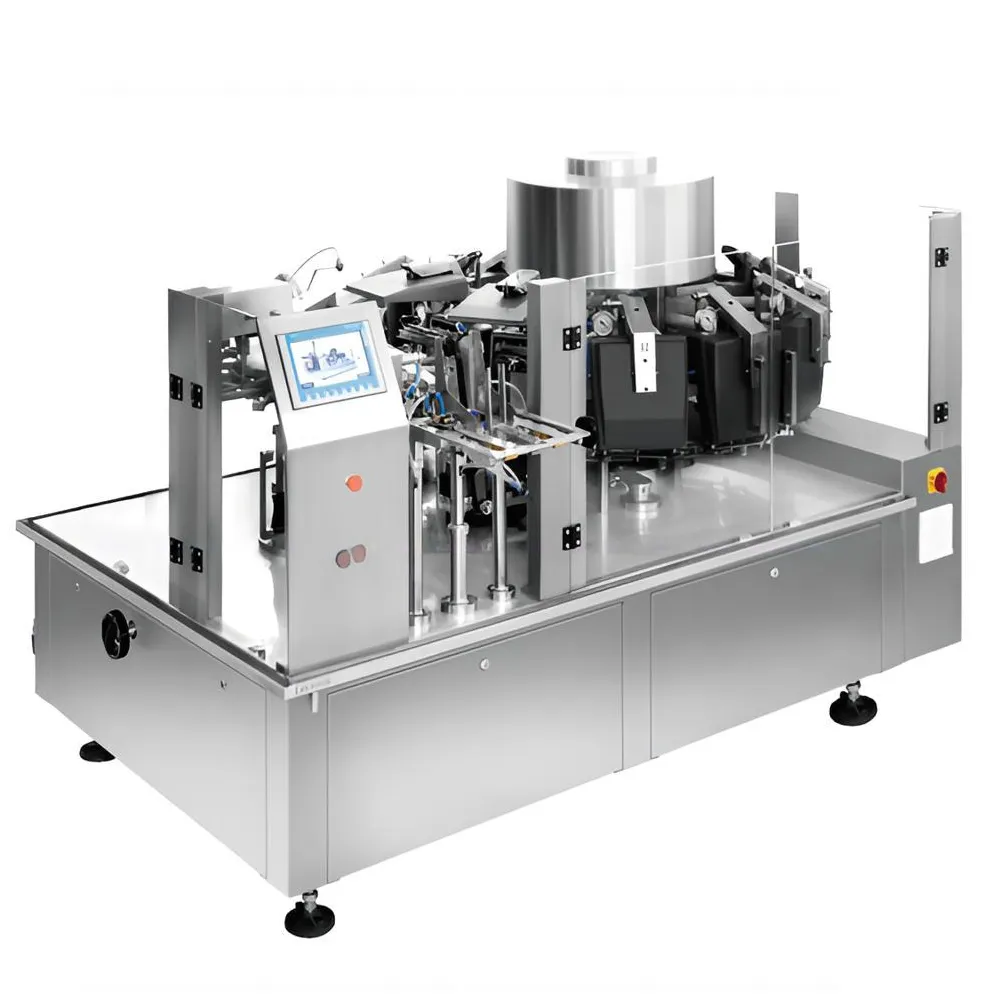
Flow-wrap configurations — where a continuous web wraps around the product and seals longitudinally and at both ends — provide the most reliable moisture barrier geometry. The challenge is that paper tears rather than stretches during forming, requiring precise tension control on machinery originally designed for polymer films.
Secondary Packaging as a Moisture Buffer
Many chocolate brands adopt a systems approach: the primary paper wrapper provides branding and initial resistance, while a secondary carton absorbs the majority of humidity load during distribution. This layered strategy allows thinner, more sustainable primary packaging because the outer barrier handles worst-case conditions in un-air-conditioned warehouses and equatorial shipping routes.
A Practical Case: Transitioning a Premium Chocolate Bar to Paper
A Belgian chocolatier producing 2.5 million premium bars annually faced retailer pressure to eliminate plastic laminates by 2026. Their existing PET/aluminum/PE laminate delivered excellent moisture protection but was unrecyclable and generated negative consumer perception in sustainability-conscious European markets.
The chocolatier tested paper packaging for chocolate using dispersion-coated kraft paper with a heat-sealable inner surface, formed into flow-wrap on modified machinery. Initial trials revealed seal integrity issues above 80 bars per minute — the paper’s lower elongation caused micro-tears at seal corners. Machinery adjustments to reduce forming tension and widen seal jaws resolved the issue at speeds up to 100 bars per minute.
Accelerated shelf-life testing at 30°C and 75 percent relative humidity showed no visible sugar bloom at 12 months, matching the previous laminate benchmark. Consumer testing in the UK showed a 22-point increase in environmentally responsible packaging perception scores without any formula or price changes. The chocolatier now sources coated paper from converters including those supplying the Echopacker platform, which provides dispersion-coated papers engineered for confectionery moisture barrier requirements.
Selecting Paper Packaging for Chocolate Products
Material Specification
Specify WVTR in grams per square meter per 24 hours at 38°C and 90 percent relative humidity — the tropical condition test per ASTM F1249. For chocolate bars with 12-month shelf targets, a WVTR below 10 g/m²/24h is typically required. Heat seal initiation temperature must match existing machinery — some coatings activate at 90°C while others require 120°C.
Quality Verification
Request third-party recyclability certification following CEPI or FBA repulpability methods. Verify the barrier coating does not interfere with fiber recovery. Conduct real-world distribution testing beyond laboratory chamber testing — a package passing accelerated aging may still fail in an unrefrigerated container crossing the Panama Canal in August.
Frequently Asked Questions
Can paper packaging for chocolate match the shelf life of plastic laminates?
Barrier-coated papers now achieve 12- to 18-month shelf lives under normal distribution conditions. Extreme tropical conditions may require secondary packaging or modified-atmosphere techniques. Testing under actual distribution conditions is essential before commercial transition.
How does dispersion coating differ from plastic lamination?
Dispersion coatings apply a water-based polymer layer measured in microns that bonds to paper fibers. Plastic lamination bonds a separate film layer measured in tens of microns. Coating reduces total polymer content by 80 to 95 percent and maintains fiber recyclability.
What is sugar bloom and how does paper packaging prevent it?
Sugar bloom is whitish surface discoloration caused when moisture dissolves and recrystallizes surface sugar. Paper packaging for chocolate with barrier coatings prevents bloom by blocking ambient humidity from reaching the chocolate surface throughout its shelf life.
Why do some coated papers fail in high-speed packaging lines?
Paper lacks the elongation properties of polymer films and can micro-tear at seal corners. Suppliers like Echopacker address this with optimized coating formulations that improve seal integrity and flexibility, combined with machinery adjustments for reduced tension and wider seal jaws.
Are barrier-coated papers recyclable in standard municipal systems?
Most dispersion-coated papers pass CEPI and FBA recyclability protocols. Metallized papers require verification through local waste authorities, as the aluminum layer may affect acceptance depending on regional sorting technology.
Which environmental conditions most threaten paper-wrapped chocolate?
High humidity above 65 percent RH combined with temperatures above 25°C accelerates moisture ingress. Un-air-conditioned tropical warehouse storage and containerized ocean freight through equatorial routes represent the highest-risk distribution segments for paper packaging for chocolate.