
 EN
How to Use Paper Flow Wrap for Sustainable Packaging
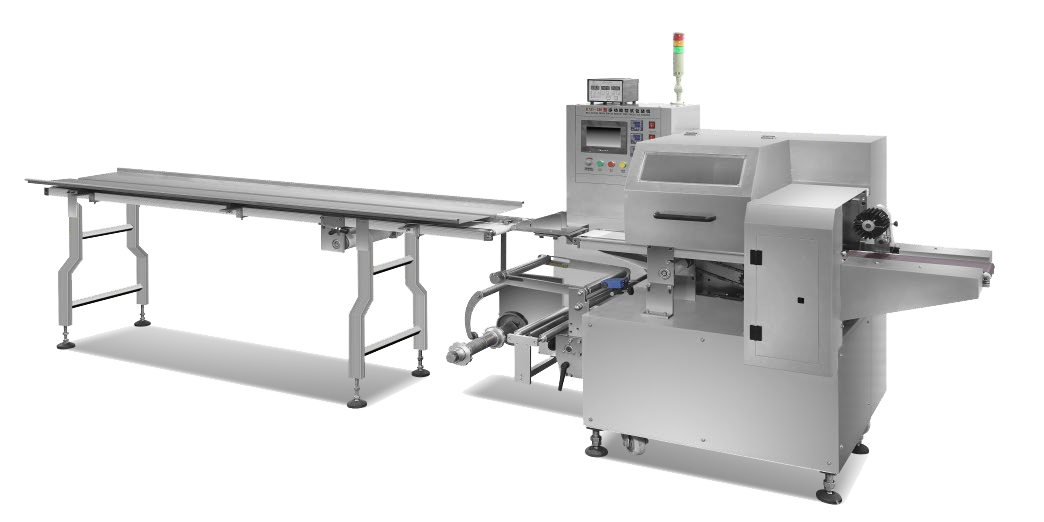
Paper flow wrap is gaining ground as brands replace plastic with fibre based film, and the switch changes the packing process more than the shelf look suggests. Buyers who plan the paper flow wrap change around the horizontal flow wrapper avoid jams and weak seals. The sections cover cases, the failure modes specific to paper, the engineering that makes it work, and a buyer checklist.
Real-World Industry Case / Scenario
A Snack Brand That Switched to Paper
A snack brand moved from plastic to paper flow wrap to meet a retail mandate and found the existing horizontal flow wrapper jammed on the stiffer film. Retuning tension and a longer seal dwell fixed throughput, and the paper based film held the pack. The owner learned that paper flow wrap is a process change, not a drop-in roll. The case shows the horizontal flow wrapper settings decide whether the switch saves face or stalls the line.
Film grade follows the product. A sharp or heavy item tears a light paper based film, while a soft product seals cleanly on a lighter grade, so the wrap and the film must be chosen together. Testing the film on the real pack beats any datasheet recommendation.
Cut position accuracy depends on registration. The cut must land on the printed repeat or the plain area, so the registration system and the mark sensor decide whether the pack looks right. A horizontal flow pack line with poor registration wastes film and rejects product.
Commissioning with the supplier present catches integration faults before full production begins.
A Co-Packer That Needed Strength
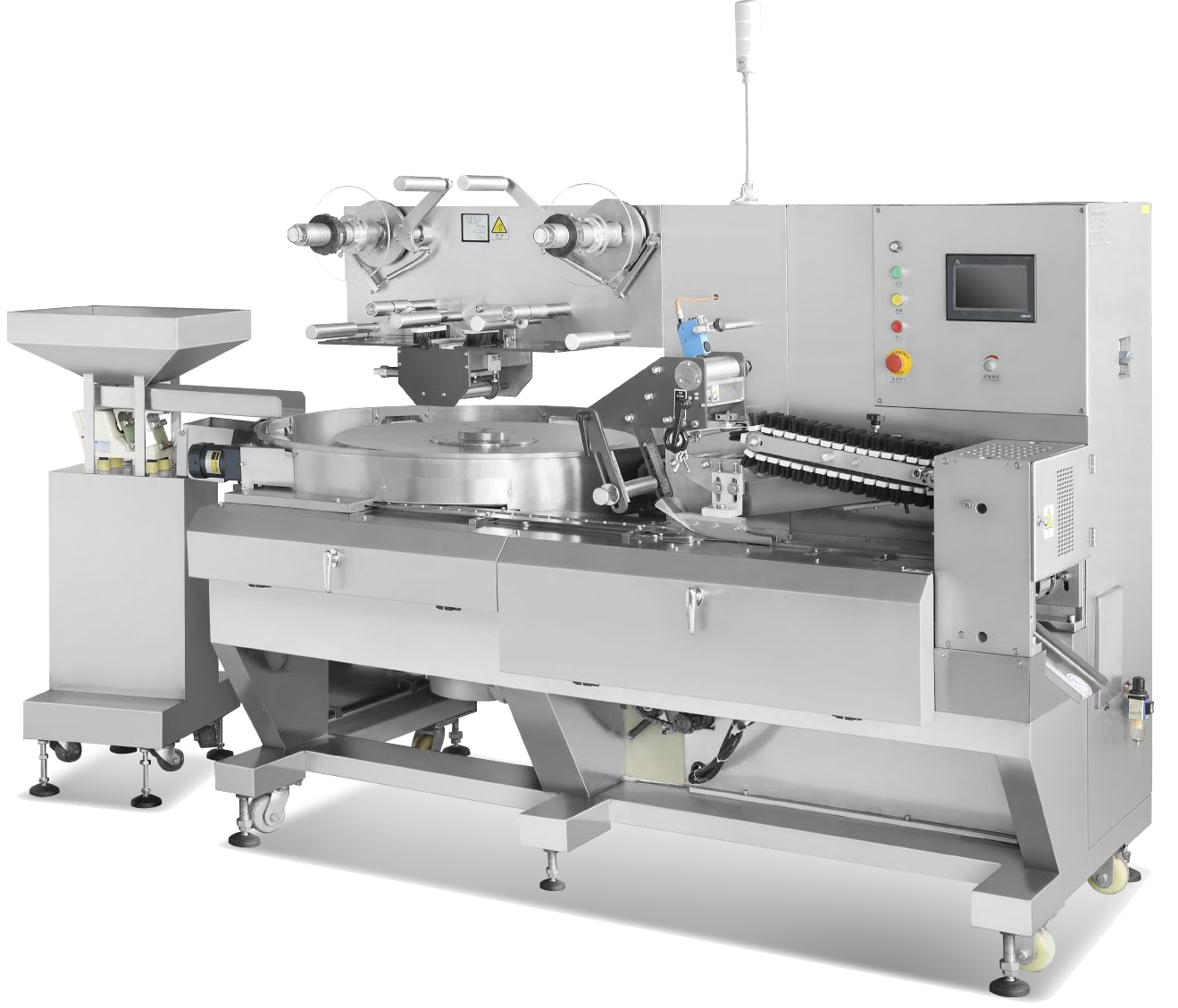
A co-packer ran paper flow wrap for a client whose product had sharp edges that tore weak film. Choosing a stronger paper based film with a flow wrapping profile built for the item cut rejects. The buyer found that paper flow wrap must match product shape, and that a horizontal flow wrapper tuned to the film protects margin on every pack.
Seal temperature is the control point. A horizontal flow wrapper that runs hot enough to seal also risks scorching the stock, and one that runs cool leaks, so the seal zone needs closed-loop control rather than a fixed setting. Flow wrapping on the wrong temperature ships defects by the hundred.
Temperature zoning prevents scorch and leak. Different film grades seal at different temperatures, so the seal zone should be zoned and controllable rather than a single bar. Flow wrapping across a range of films needs that flexibility to hold quality.
Risk & Failure Mode Analysis
Film Tearing and Jamming
Paper tears where plastic stretches, so a horizontal flow wrapper on paper flow wrap jams or splits at the fin seal if tension and dwell are wrong. The risk is downtime and waste, and it grows with line speed. The fix is film-matched settings and a paper based film rated for the item. Flow wrapping on paper without tuning turns a sustainability win into a throughput loss.
Infeed geometry decides consistency. The product must enter the machine squarely and at a steady pitch, or the wrap skews and the end seals miss. Buyers should check the infeed design against the range of pack shapes the line will actually run.
Guard design affects both safety and changeover. Guards that open quickly for clearing a jam without tools keep the line running, while fixed guards turn a thirty-second clear into a ten-minute job. A flow wrapping machine should be judged on how fast it recovers.
Weak Seals on Fibre Film
Sealing paper needs more heat and dwell than plastic, and a horizontal flow wrapper set for plastic leaves open seals on paper flow wrap. The failure lets product spill and shelf life drop. The buyer should specify seal control for paper based film and verify on the real wrap. Flow wrapping that ignores the seal parameter ships leaky packs.
Changeover between formats costs output. A line that needs tools and a long setup to switch pack sizes spends its flexibility on downtime, so format change should be measured before purchase. A wrapper with quick-change tooling protects margin on mixed runs.
Dust and debris management protects the seal. Flour, sugar, and crumbs migrate into the seal area on food lines, so extraction and a cleaning routine belong in the installation plan. A machine kept clean seals consistently for far longer than one that is not.
Technical Principles & Standard Compliance
Film, Tension, and Seal Tuning
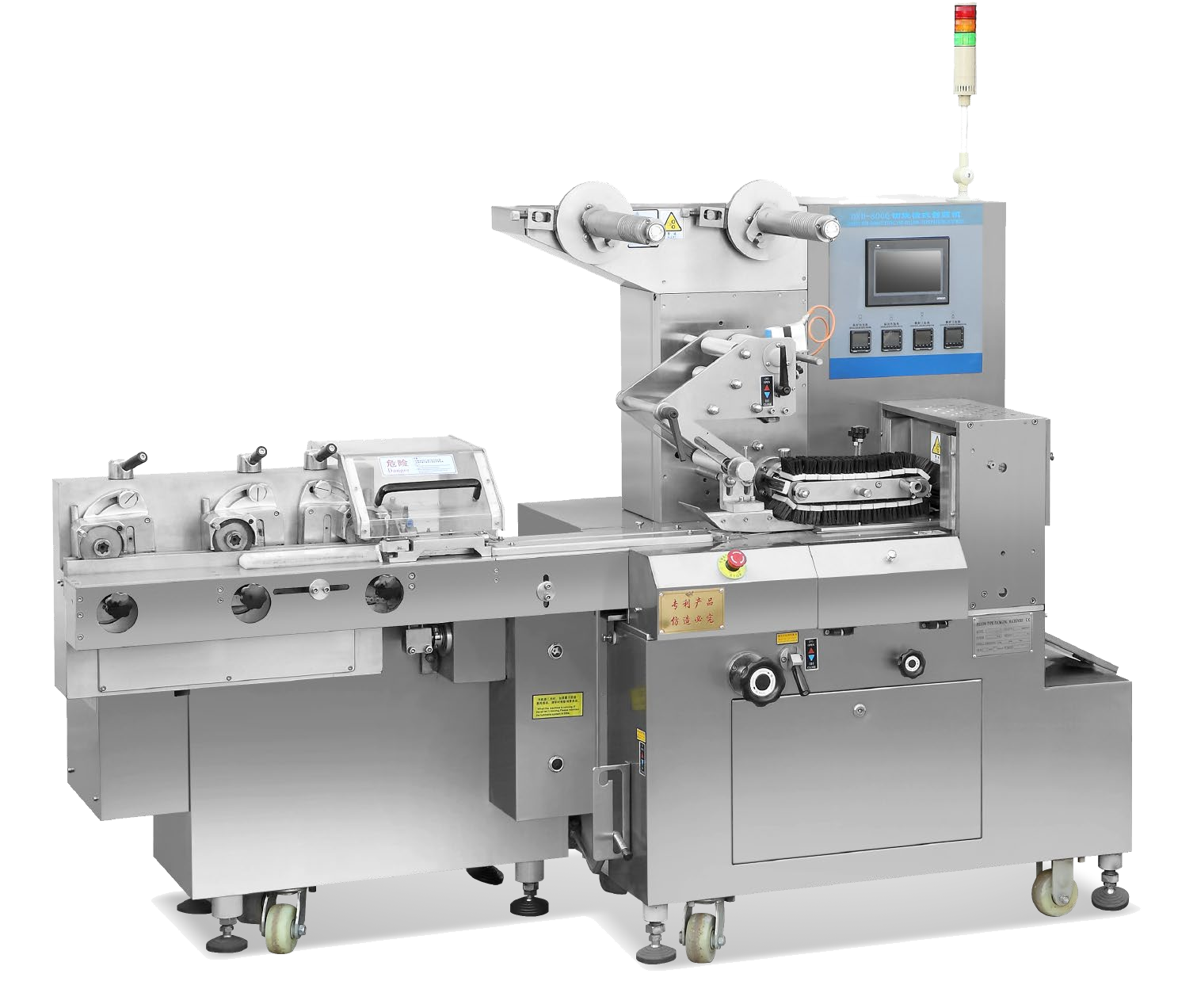
A workable paper flow wrap depends on film grade, web tension, and seal dwell tuned to the horizontal flow wrapper. Paper based film needs gentler handling and more seal energy, and a flow wrapping path with controlled pull avoids tears. The horizontal flow wrapper should offer adjustable dwell and pressure so paper runs clean. Paper flow wrap done well keeps speed close to plastic with a far lower footprint.
Waste is a cost line of its own. Film scrap, mis-sealed packs, and jams all add up, so the machine should be judged on material yield and not only on speed. Buyers who track scrap per thousand packs see the real cost of the line.
A pre-installation site survey confirms the utilities, floor load, and access the line needs before delivery.
Actionable Buyer & Maintenance Guide
Specifying and Running Paper Wrap
Buyers should choose paper flow wrap by product, speed, and seal need, then confirm the horizontal flow wrapper handles paper based film with the right dwell. Suppliers of paper flow wrap systems such as Echo Packer lay out a flow wrapping setup that lists film grade and seal settings. Running well means tension checks, seal tests, and film storage away from moisture. A horizontal flow wrapper maintained for paper keeps the pack strong and the line steady.
Forming shoulder shape sets wrap quality. The shoulder that folds the film around the product must match the pack profile, or the wrap wrinkles and the end seals miss. A flow wrapping machine with the wrong former fights every pack on the line.
Utilities such as power, air, and water should be specified with margin so the line runs without trips.
Frequently Asked Questions
Question 1: Is paper flow wrap as fast as plastic?
Answer: Close, once the horizontal flow wrapper is tuned to the paper based film with the right tension and seal dwell. Paper flow wrap needs gentler handling, so flow wrapping settings differ from plastic, but a matched line holds most of the speed. Buyers should verify on the real film rather than trust a plastic spec.
Question 2: Does paper seal as well as plastic?
Answer: It seals well only with more heat and dwell, so the horizontal flow wrapper must be set for paper based film. Paper flow wrap with plastic-tuned seals leaks, and flow wrapping quality depends on that parameter. A film grade matched to the product and verified seals closes the gap.
Question 3: What film grade should be used?
Answer: It follows the product shape and weight; stiff or coated paper based film suits sharp or heavy items, while light goods take standard paper flow wrap. The horizontal flow wrapper and film must be specified together, because flow wrapping on the wrong grade tears or seals poorly. Buyers should test the film on the real pack.
Question 4: How is paper wrap stored and run?
Answer: Paper based film must stay dry, because moisture weakens it and jams the horizontal flow wrapper. Paper flow wrap runs best with controlled tension and periodic seal tests on the flow wrapping line. Storing film correctly and checking seals keeps the pack intact from machine to shelf.