
 EN
EN
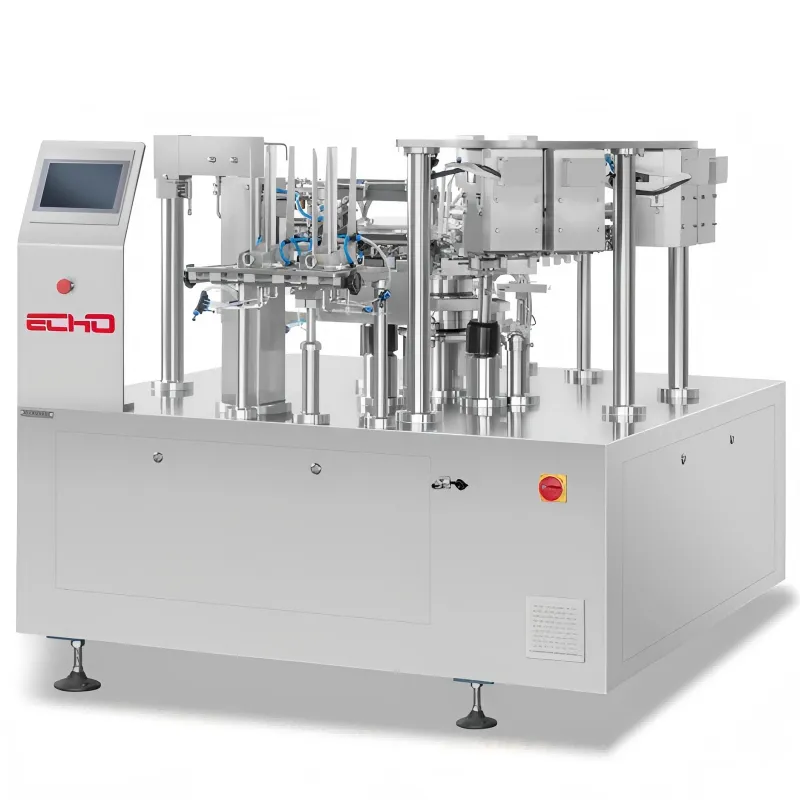
A Sauce Line That Splattered at the Nozzle
A kitchen-sauce brand ran a thin-liquid pouch filler on a thick pesto. The product stalled in the path, the pouch under-filled, and sauce splashed at cut-off. Rejects climbed and the floor turned slick. Swapping to a liquid pouch packing machine built for viscosity—piston pump, heated path, and a clean shut-off—fixed fill and mess. The case shows thin-product design fails the moment sauce thickens.
Why Thick Product Starves the Pouch
Gravity and open valves assume free flow. A viscous sauce resists, so the pocket fills late and the nozzle drips after. A liquid pouch packing machine tuned for thin fluid cannot push thick product on time.
How Viscosity Changes the Whole Filling Path
Positive Displacement Over Gravity
A piston or gear pump pushes mass on volume, not fall. A liquid pouch packing machine with positive displacement meters thick sauce repeatably where gravity starves. EchoPacker rates pump size to product viscosity so each stroke fills the same.
Heating and Piston Design
Warm paths lower viscosity at the seal. Jacketed hoppers and tight-clearance pistons keep a liquid pouch packing machine steady on pesto or paste. Cold product needs more force and risks shear, so heating protects both fill and texture.
Nozzle Cut-Off and Drip Control
A clean shut-off valve stops the stream at stroke end. Without it, a liquid pouch packing machine drips, soils the seal, and invites leaks. Drip control keeps the pouch mouth clean for a tight weld.
Hygiene Rules for Liquid Pouch Lines
Liquid contact needs food-grade build and clean-in-place. ISO 22000 and ISO 9001 frame material and traceability for a liquid pouch packing machine. ANSI B11 and ISO 13849 cover guarding; NFPA 79 the controls. OSHA covers steam and slip risk at cleaning. EchoPacker documents the CIP path and rated contact parts per model.
Sizing, Checking, Running, and Cleaning
Match the Pump to the Sauce
Rate viscosity, not just volume. A liquid pouch packing machine for thick sauce needs the right piston and heat. EchoPacker maps pump to product so fill stays even. Under-spec the pump and rejects return.
Clean, Inspect, and Service
Run CIP on schedule, check seals and valves for wear, and watch the cut-off. A liquid pouch packing machine serviced this way avoids drip and biofilm. Log clean cycles; audits ask for the record.
Frequently Asked Questions
Question: Can a standard pouch filler handle thick sauce?
Answer: Only if built for it. A liquid pouch packing machine tuned for thin fluid starves on pesto because gravity cannot push thick product on time. Positive displacement, heating, and a clean cut-off are what make thick sauce fill evenly without splatter. Match the pump and path to viscosity, or under-fill and drip will return on every run.
Question: Why use a piston pump for sauces?
Answer: A piston pushes a measured volume regardless of how the sauce flows, so a liquid pouch packing machine meters thick product repeatably where gravity fails. EchoPacker sizes the piston to viscosity so each stroke is identical. Gear pumps suit some sauces too, but pistons handle particulates and high viscosity with less shear, protecting texture and fill weight.
Question: Does heating help thick products?
Answer: Yes. Warm paths lower viscosity at the seal, letting a liquid pouch packing machine run steady pesto or paste without extra force. Jacketed hoppers and tight pistons keep temperature even. Cold sauce needs more pressure and risks shear that breaks the texture. Heating is the quiet partner that makes the fill clean and the pouch weld tight.
Question: How is drip at cut-off stopped?
Answer: A shut-off valve ends the stream exactly at stroke finish, so a liquid pouch packing machine leaves a clean pouch mouth for welding. Without it, sauce drips, soils the seal, and leaks later. Drip control is why thick sauces need a valve, not an open tube. Inspect the valve often; wear there shows first as messy seals.
Question: What hygiene rules apply to liquid lines?
Answer: Contact parts must be food-grade with clean-in-place. ISO 22000 and ISO 9001 frame build and traceability for a liquid pouch packing machine; ANSI B11 and ISO 13849 cover guarding, NFPA 79 the controls. OSHA addresses steam and slip at cleaning. EchoPacker documents the CIP path and rated parts so audits and market entry stay clean.
Question: How to keep a viscous filler running well?
Answer: Match pump and heat to the sauce, run CIP on schedule, and check seals and cut-off valves for wear. A liquid pouch packing machine serviced this way avoids drip and biofilm that spoil batches. Log each clean cycle because audits ask for the record. Under-spec the pump and the problems return, so size to the real viscosity, not the label claim.