
 EN
EN
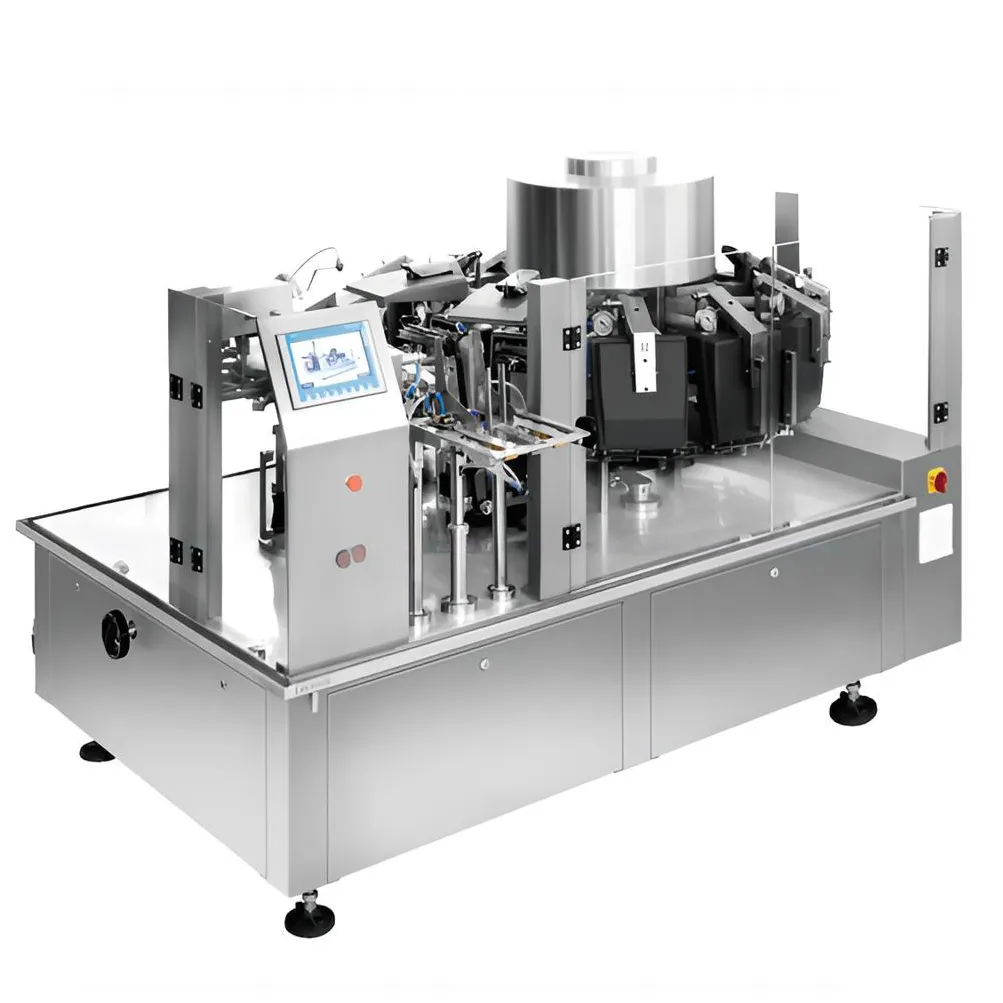
A Snack Plant That Justified the Upgrade
A snack maker ran semi-auto industrial packing machines with three operators per shift. Output capped at the slowest person, and mislabeled bags drove rework. After installing smart industrial packing machines with vision check and auto reject, one operator ran the cell and reject rate fell. The payback came not from speed alone but from labor, waste, and downtime together. The lesson: model the whole saving, not just throughput.
The Hidden Cost of Manual Lines
Manual lines lose output to fatigue and variance. A single mislabel triggers recall-scale rework. Industrial packing machines left semi-auto also idle during jams, and that lost time never returns.
What Drives Payback on Smart Packers
Labor and Throughput Gains
One operator replaces two or three when the industrial packing machines handle feed, seal, and check. Steady cycle beats human pace, so volume rises without overtime. The labor line is usually the largest saving on a busy cell.
Waste and Rework Reduction
Vision and checkweighers catch bad seals and wrong weights before they ship. Industrial packing machines with auto reject cut scrap and returns, protecting margin and brand. Less rework also frees floor space.
Data and Downtime Avoidance
Connected industrial packing machines log fault codes and output, so maintenance lands before a breakdown. Planned care beats emergency stoppage, and OEE climbs as unplanned stops drop.
Standards Behind a Safe Smart Line
ANSI B11 and ISO 13849 cover guarding and safety controls on industrial packing machines. NFPA 79 governs the cabinet. OSHA addresses operator reach and lockout. ISO 9001 frames build quality. EchoPacker supplies the compliance file and integration notes so the line passes local inspection and links to plant MES.
Buying, Auditing, Running, and Caring for the Asset
Specify for the Real Volume
Size industrial packing machines to peak, not average, demand, and confirm the vision and reject fit the SKU. EchoPacker helps map the cell to the product mix so the saving model holds. A wrong spec leaves capacity or features unused.
Track, Operate, and Maintain
Log OEE and reject data from day one. Train operators on changeover, not just start. Service on a plan using the fault log. Industrial packing machines paid back fastest where the team watched the numbers and acted on drift.
Frequently Asked Questions
Question: What is the real payback period?
Answer: Most smart industrial packing machines recover cost in one to three years when labor and rejects are high. The number depends on shift count, wage, and scrap rate, not just speed. Model labor saved, rework cut, and downtime avoided together. EchoPacker helps map the cell so the business case reflects the real mix, not a best-case demo line.
Question: Do smart packers cut labor a lot?
Answer: Often yes. Industrial packing machines with auto feed, seal, and reject let one operator run a cell that needed two or three. The steadier cycle also lifts volume without overtime. The labor saving is usually the biggest line in the ROI, especially on multi-shift plants where headcount repeats across the clock.
Question: How do they reduce waste?
Answer: Vision and checkweighers catch bad seals and wrong weights before shipping, so industrial packing machines with auto reject lower scrap and returns. Less rework frees floor space and protects the brand from complaint spikes. The saving shows in fewer destroyed packs and fewer recall-scale events, which rarely appear in a simple speed comparison.
Question: Does connectivity really avoid downtime?
Answer: It shifts repair from emergency to planned. Connected industrial packing machines log fault codes and output trends, so a worn part is changed before it fails. Unplanned stops drop and OEE climbs. The gain grows with line speed and product risk, where one breakdown can idle a whole downstream pack.
Question: Which standards apply to smart lines?
Answer: ANSI B11 and ISO 13849 cover guarding and safety controls on industrial packing machines; NFPA 79 governs the cabinet. OSHA addresses reach and lockout. ISO 9001 frames build quality. EchoPacker supplies the compliance file and MES integration notes so the line passes inspection and feeds plant data systems cleanly.
Question: How to protect the ROI after purchase?
Answer: Log OEE and reject data from day one, train on changeover, and service on the fault log. Industrial packing machines pay back fastest where the team acts on drift instead of waiting for failure. A wrong spec at buy leaves features unused, so size to peak demand and confirm vision fits the SKU before signing.