
 EN
EN
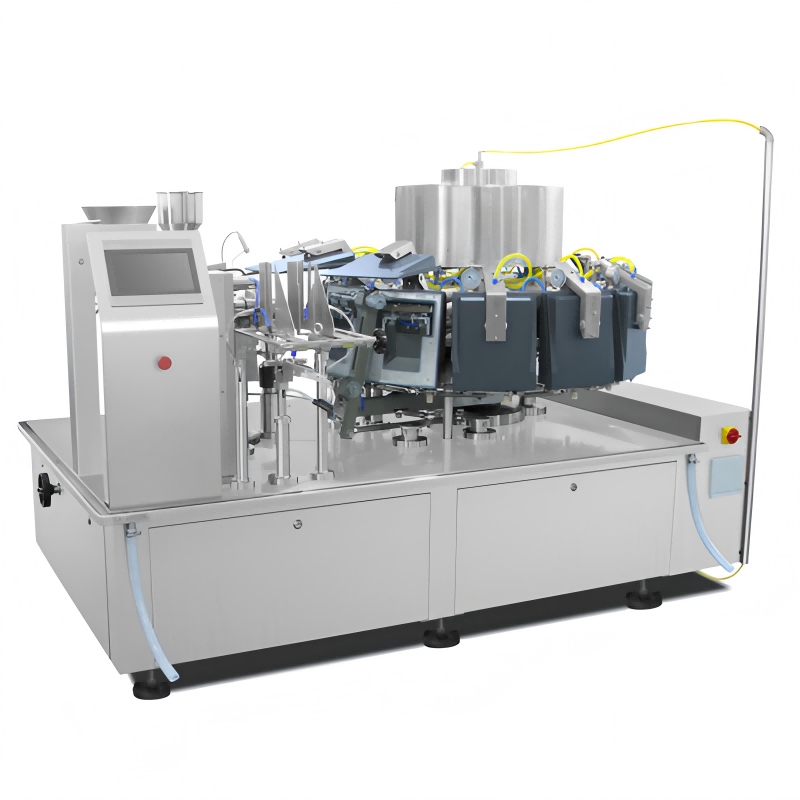
בחינת צירים צרים בשורת האריזה ועלות הון יד עבד
הפגיעות הפעולה של זרימות עבודה ידניות לשימור
הגדלת קיבולת הייצור בתחומי הפצת המזון, הלוגיסטיקה החקלאית או אריזת ציוד תעשייתי דורשת ניתוח זהיר של יעילות השטח לפני שהשקעות הון הופכות לחיוניות. במתקני ייצור בעלי תפוקה גבוהה, פעולות ידניות או חצי אוטומטיות מסורתיות לטיפול בחומרים מהוות נקודת חולשה קריטית שבה מצטברות תקיעות עיבוד באופן קבוע. השימוש במכונה אוטומטית לאחסון בריקוי עוזר למתקנים להגן על שולי הרווח, לשמור על תקופת מדף אחידה ולמזער אחריות קשה לעובדים אנושיים. כאשר פעולות האריזה תלויות בהצבת שקיות ידנית, מפגשים המפעילים האנושיים מגבלות פיזיות מיידיות במהלך משמרות ממושכות. עייפות מורידה את קצב התפוקה, גורמת לאי-התאמה באخت seals, ומעלימה ביצוע חומר, מהופך משימות אריזה פשוטות לתחנות אחריות כספיות יקרות.
ניתוח סיכונים לאבדן מוצרים ואיכות חתימה לא אחידה
השגיאה העיקרית שמבצעים מנהלי הפעולה היא התמקדות אך ורק בהוצאות הראשוניות על רכישת מכונות, במקום להעריך את ההוצאות האורכות טווח על פגיעה במוצרים. תצורות עיבוד נמוכות דרגה או מערכות תא ישנות יוצרות לעתים קרובות חילוץ חמצן לא יציב, מה שמוביל לסיכונים פיננסיים משמעותיים בשרשראות אספקה של מוצרים פגומים. אי-התאמות קלות במקלות החסימה התרמית גורמות לדיוקנים זעירים, המאפשרים לרטיבות האטמוספרית ולחיידקים אירוביים לפגוע באטמוספירה הواقעת בתוך שקיות הסרט. עבור מעבדי מזון מסחריים שמטפלים בחתיכות פרוטאין יקרות, ירקות טריים או רכיבים אלקטרוניים רגישים, партиיה אחת של חסימות פגומות מביאה לדחיית מיידית על ידי הקמעונאים, לחזרות יקרות של משלוחים ולחוסר אמון מצד מפיצי סיטונאות. יישום של מכונת אריזה ריקנית אוטומטית שתוכננה עם פרמטרי חסימה אלקטרוניים מדויקים מגן על מלאי בעל ערך גבוה ומייצב את היכולת לחזות את תפקוד הפעילות.
מקרה של אוטומציה בתהליך עיבוד מזון במציאות
הביצוע המעשי בתחומי הלוגיסטיקה המזון האזורית ממחיש את היתרונות הכלכליים והאופרטיביים של המעבר מזרימות עבודה ידניות. מתקן עיבוד ימי מסחרי בגודל בינוני, שמספק רשתות קניות ברחבי המדינה, בדק את קו האריזה שלו לאחר שגילה עלייה חדה בשיעור החזרים מצד הלקוחות, שנבעה מהרתחה מוקדמת של המוצרים. הקו הסתמך על יחידות איטום ידניות של תא, שבהן הפעילו העובדים את השקיות ידנית מעל אלמנטי האיטום החמים, מה שהוביל לשיעור דחיית אריזות של חמישה-עשרה אחוז вследствие קמטים של חיבור קריר או רמות ואקום לא מספיקות. קבוצת הפעולות פתרה בעיה זו על ידי שילוב של מכונת איטום ואקום אוטומטית חזקה מסוג סיבובית, הכוללת קונוויארים לטעינה מתמדת של מוצרים וחיישני חום מכווננים באופן עצמאי. תוך תשעים ימים מהנחת המכונה, המתקן הצליח לשלול לחלוטין את שגיאות האיטום של האריזות, ובמקביל צימצם את דרישות כוח האדם הידני בקו זה ב-70 אחוז. המתקן הצליח להגן על חוזי המשלוחים המונפשים שלו ולהגדיל את קיבולת התפוקה היומית ב-45 אחוז.
המכניקה הטכנית של הוצאת ואקום והעיצוב המכניקלי
הלוגיקה ההנדסית של פינוי חמצן בכמויות גדולות
השגת הגנה מבנית מתמדת דורשת הבנה מעמיקה של דינמיקת הוצאת הריק והאקוסטיקה של המגש. ציוד אריזה עמיד מסתמך על משאבות ריק סיבוביות ברמה תעשייתית המסוגלות לרוקן עד 99 אחוז מהגזים האטמוספריים הפנימיים באלפיות השנייה. העיצוב המבני של מכונת אריזת ריק אוטומטית מהירה משתמש בלוחות כבדים ומוגבשים שיכולים לסבול הפרשי לחץ עצומים כאשר מגש הריק נסגר לחלוטין. ריקון אוויר מהיר מוריד את רמות החמצן הפנימיות מתחת לאחוז אחד, מה שמבטל את התהליכים המטבוליים של מיקרואורגניזמים המגרמים התקלקלות ומאט את השינויים האוקסידיים בצבע של מוצרי מזון. תהליך מכני זה דורש זמנים מדויקים של מחזור, שכן אפילו סטייה קלה בסנכרון בין סגירת המגש, הסרת הגזים ופעולה תרמית יכולה להרוס את הדבקות של הסרט ולפגוע במבנה האריזה.
צמתים תרמיים עם קישור חוצה וכפל חיבור
כדי למחוק את תופעת המיקרו-חורים והדליפות הדקיקות לאורך רצף ייצור מהיר מתמשך, מנגנון החסימה חייב להשתמש בשליטה מתקדמת על פרופיל החום. מכונות ברמה מקצועית משתמשות במקלות חסימה עבים של נחושת מונעים במים, שמכוסים בריבונים חימום מניקרומ טהור בעל איכות גבוהה, המבודדים באמצעות סרטים ארוגים مقاומים לחום. כאשר מרחץ הוויזואל האוטומטי של מכונת האריזה הריקנית מגיעה לעומק הוויזואל המרבי שלה, צילינדרים פנאומטיים מפעילים את מקלות החסימה זה כלפי זה תחת לחץ מדויק, ומיישמים פולס חשמלי קצר ובעל זרם גבוה. אנרגיה תרמית זו ממסה את שכבות הפולימר הסמוכות של השקית, וגורמת לשרשראות להתחבר זו לזו ויוצרים חיבור אחיד חד-שכבתי. יחידות ביצוע גבוהות משתמשות בהגדרת חסימה כפולה פעילה, היוצרת שתי קווי חסימה מקבילים ומובחנים כדי לספק הגנה כפולה שמנעה דליפה במקרה שחלקיק של זיהום מוצר נתקע באזור החסימה הראשי.
מסגרות התאמה ותקנים בינלאומיים לציוד
הנחיית רכש מסחרי למערכות אריזה מודרניות דורשת התאמה מחמירה לתקנים הנדסיים בינלאומיים, לתקנות סניטציה ולפרוטוקולי בטיחות במקום העבודה. מסגרות רגולטוריות בינלאומיות כגון תקני האיכות של ארגון התקינה הבינלאומי (ISO) 9001 ותקנות הבטיחות במכונות CE קובעות את הפרמטרים הבסיסיים למסילות בטיחות אלקטרוניות ולשלמות המבנית. עבור מכונות המתחברות למזון, תכנוני הציוד חייבים להתאים להנחיות העיצוב ההיגייני החמורות, כולל אלו שנקבעו על ידי קבוצת ההנדסה והעיצוב ההיגייני האירופאית (EHEDG) או גופים בינלאומיים דומים. חוקים אלו מחייבים כי כל האזורים במגע עם המוצר בתוך מכונת האריזה הריקונית האוטומטית יהיו עשויים נירוסטה לא חדיר מסוג 304 או 316, ויהיו בעלי פינות פנימיות חלקות ומעוגלות כדי למנוע הצטברות חומר אורגני. משמעת אדריכלית מחמירה זו מבטיחה שצוותי הניקוי יוכלו לסנן את המערכת במהלך הליכי הכביסה הסטנדרטיים ללא השארת שאריות כימיות או עקבות אורגניות.
מסגרות רכש אסטרטגיות ותחזוקת ציוד לאורך כל מחזור חייו
סימני הבחנה קריטיים לקבוצות הרכש התעשייתי
בחירת שותף מהימן לייצור ציוד דורשת ביקורת על סיבתיות הייצור, רישומי מעקב אחר החומרים והארכיטקטורה של תוכנת מערכות הבקרה, ולא חיפוש אחר חומרה זולה ואינה מאושרת. קבוצות האספקה חייבות לאשר שהיצרן משלב רכיבים אלקטרוניים מהימנים ומזמינים באופן עולמי, כגון בקרים לוגיים מתוכנתים (PLCs) וממשקים עם מסכים מגעיות ממנהיגי האוטומציה הגלובליים המוכרים בתכנון מכונות אוטומטיות לאטימה בריקוי. השימוש במערכות תוכנה בארכיטקטורה פתוחה מבטיח שטכנאיי התיקון במפעל יוכלו לשנות בקלות את הפרמטרים הפעוליים, לבצע אבחנות תוכנה ולרכוש חיישנים חלופיים באופן מקומי אם יש צורך בכך. מומחי האספקה צריכים גם להעריך את המערך המבני של המגש הפנימי, תוך העדפה לספקים המשתמשים ברכיבים יצוקים במקום לוחות מרותכים כדי למזער את הסיכונים של עיוות תרמי לאורך עשורים של שירות כבד.
סדרות בדיקות מונעות וטיפול באלמנטים החותמים
היעילות הפעולה ההולכת והאמינות של החסימה במערכת שימור מהירה תלויה בתכניות תחזוקה מונעת מאורגנות ובכיול מדויק של הרכיבים. במשך חודשים של פעילות במהירות גבוהה, סרטים תרמיים ושכבות סרט בידוד נפגעים תרמית באופן משמעותי, מה שעלול להוביל להתפלגות לא אחידה של הטמפרטורה לאורך חוט החסימה של מכונת האריזה הריקונית האוטומטית. טכנאי תחזוקה חייבים לבצע בדיקות ויזואליות יומיות של רכיב החסימה ולפקח על הופעת מסלולים פחמתיים כהים, קמטים על פני השכבה המבודדת או בעיות בהבהוב של השמן בתוך גוף משאבת הריקון הראשית. החלפת שמן משאבת הריקון כל 500 שעות פעולה והתקנת סרטים חימום חדשים מסוג ניכרום בהתאם ללוחות התזמון של השירות של היצרן מונעות עצירת קו ייצור בלתי מתוכננת, שומרות על רמות ריקון מוחלטות ומאפשרות לפעול את קווי הייצור ביעילות מקסימלית.
בחירת שותף מהימן לפתרונות אחסון
בניית קו אריזה למוצרים בעל עמידות גבוהה ותגובה מהירה דורשת שותף הנדסי מהימן המסוגל לספק איכות חומר עקבי ותמיכה עקיבה בשרשרת האספקה הגלובלית. רכישת תשתית לעיבוד מייצרים בעלי מומחיות מכנית מעמיקה ומתקנים מתקדמים לייצור מבטיחה שכל נכס המופעל יפעל באופן מהימן תחת עומסים יומיים כבדים של ייצור. כאן בדיוק מתגלה הערך האסטרטגי הרב באיחוד עם יצרן גלובלי מוסמך כמו ECHO. עם תשתית ייצור מתקדמת וריכוז חזק על ניהול איכות מדויק, ECHO מספקת באופן עקבי מערכות אוטומטיות לאיטום ריקוי אוויר עמידות, אשר תוכננו כדי לעמוד בפרוטוקולים הבינלאומיים הקשיחים ביותר לבטיחות והנדסת היגיינה. שיתוף פעולה עם יצרן מובילים בעל אינטגרציה גלובלית מעניק לחברות אריזה גישה מהימנה לקטלוג ציוד עשיר, תמיכה טכנית עקיבה ואיכות בנייה עקיבה – כל אלה מונעים את פעילות קווי הייצור ללא הפרעה, שנה אחר שנה.
שאלות נפוצות
אילו תוצאת תשואה (ROI) יכול לעלות עליה עסק באמצעות מכונת אריזה וואקום אוטומטית לחלוטין?
השדרוג למכונת אריזה וואקום אוטומטית לחלוטין מספק בדרך כלל תשואה מהירה על ההשקעה, על ידי הפחתת עלויות כוח העבודה בחלקה התחתון עד שבעים אחוז, הגברת מהירות האריזה ביותר מארבעים אחוז והשמדת בזבוז המוצרים הנגרם בשגיאות איטום ידניות. שיפור התפעול הזה מקטין ישירות את הוצאות העמלה תוך כדי הגברת נפח המשלוחים היומי.
איך חילוץ חמצן בעוצמה גבוהה מאריך את תקופת ההישרדות של מוצרים קלים להרתחה?
המערכת משתמשת במשאבה תעשייתית חזקה לוואקום כדי להוציא עד 99 אחוז מהגזים האטמוספריים הפנימיים מהכיסוי. הפחתת רמות החמצן מתחת לאחוז אחד עוצרת את צמיחת חיידקים אירוביים, עופרת ופטריות, ובמקביל מונעת חמצון שומנים, מה שמאריך באופן משמעותי את תקופת ההישרדות של המוצר.
למה בניית נירוסטה היא קריטית לציוד אריזה תעשייתי?
מערכות אריזה תעשייתיות משתמשות בפלדת אל-חלד לא נקבובית בדרגות 304 או 316 כדי לעמוד בהנחיות התכנון ההיגייניות הבינלאומיות. חומר זה עמיד בפני קורוזיה ממיצי מזון חומציים ומכימיקלים לחיטוי קשים, ומאפשר למתקנים לבצע שטיפות בלחץ גבוה יומיומיות מבלי להסתכן בפגיעה מבנית.
מהו הסיבה העיקרית לכישלון איטום תרמי באריזת ואקום?
כישלון האיטום נובע בדרך כלל מרצועות ניכרום משופעות, מסרט בידוד מקומט או מזהמים של המוצר הנלכדים בין השכבות של השקית. יישום תוכנית תחזוקה מאורגנת להחלפת רכיבי החימום המשופעים מבטיח צירוף חום עקבי ומבטל דליפות מיקרוסקופיות לאורך מסלול האיטום.
איך תצורות איטום כפול-פעילות מגינות על משלוחי קבוצה מפני דליפה?
תצורת פעילות כפולה משתמשת בשני אלמנטי חימום כדי ליצור שני חיבורים של מיזוג עצמאיים ומקבילים לאורך פתח האריזה. תכנון זה מספק עקביות מבנית, המבטיחה שבעוד שחלקיק אבק או לחות עלול לפגוע בחיבור הראשי, החיבור המשני שומר על מחסום אטום לאוויר.
האם מכונות אריזה אוטומטיות יכולות להתאמה למערכות הרצפה הקיימות במפעל?
כן, יחידות האריזה האוטומטיות המודרניות מצוידות בלוחות בקרה לוגיים מתוכנתים (PLC) גמישים וברצפות זרימה פנימית מסונכרנות, אשר מעוצבות כדי להתחבר ללא הפרעה עם מכונות גילוי מתכות, משקלנים בדיקה וקווי מיון הממוקמים לפנייהן, וכך יוצרות תהליך אריזה אוטומטי מלא ואינו דורשת מגע.
באיזו תדירות יש להחליף את שמן משאבת הריק?
הנחיות הטכניות ממליצות להחליף את שמן משאבת הוויקואום כל חמש מאות שעות של שירות פעיל בשטח, או מוקדם יותר אם השמן נראה מעורפל או חלבוני. שמן נקי מגן על הלוחות הסיבוביים הפנימיים מפני שחיקה עקב חיכוך ומבטיח שהמשאבה תשמור על עומק האפצה המרבי שלה.
אילו פרמטרים צריכים הטכנאים לבדוק בבדיקה שבועית של החתימה?
הטכנאים צריכים להשתמש ברבים דיגיטליים כדי לאמת את ההתנגדות החשמלית לאורך אלמנטי החימום, לבדוק את סרט החום לסימנים של שריפה-דרכו, ולבדוק את הלחצים בצילינדרים פנאומטיים. עקוב אחר מדדים אלו מאפשר לצוותי התיקון לתקן סטיות חשמליות קלות לפני שיגרמו לשגיאות בלתי צפויות באיסוף החבילות.
תוכן העניינים
- בחינת צירים צרים בשורת האריזה ועלות הון יד עבד
- המכניקה הטכנית של הוצאת ואקום והעיצוב המכניקלי
- מסגרות רכש אסטרטגיות ותחזוקת ציוד לאורך כל מחזור חייו
- בחירת שותף מהימן לפתרונות אחסון
-
שאלות נפוצות
- אילו תוצאת תשואה (ROI) יכול לעלות עליה עסק באמצעות מכונת אריזה וואקום אוטומטית לחלוטין?
- איך חילוץ חמצן בעוצמה גבוהה מאריך את תקופת ההישרדות של מוצרים קלים להרתחה?
- למה בניית נירוסטה היא קריטית לציוד אריזה תעשייתי?
- מהו הסיבה העיקרית לכישלון איטום תרמי באריזת ואקום?
- איך תצורות איטום כפול-פעילות מגינות על משלוחי קבוצה מפני דליפה?
- האם מכונות אריזה אוטומטיות יכולות להתאמה למערכות הרצפה הקיימות במפעל?
- באיזו תדירות יש להחליף את שמן משאבת הריק?
- אילו פרמטרים צריכים הטכנאים לבדוק בבדיקה שבועית של החתימה?