
 EN
EN
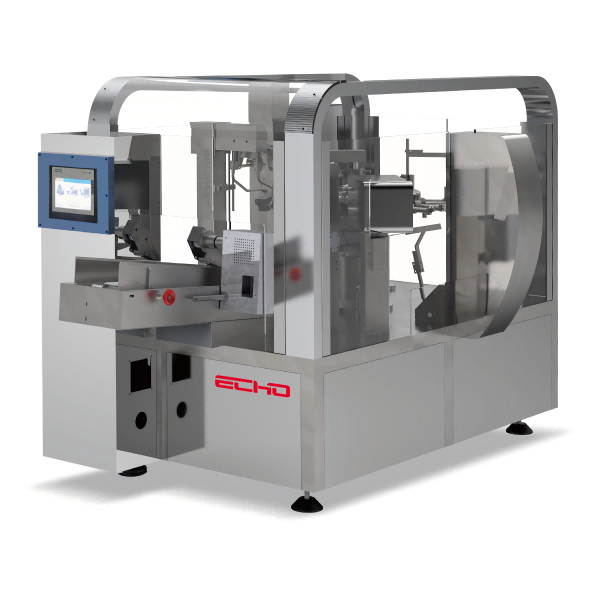
How Premade Pouch Machines Advance Sustainability in Packaging
The Role of Premade Pouch Machines in Sustainable Packaging Production
Modern premade pouch machines use 23% less material than rigid packaging while maintaining product integrity, according to 2024 flexible packaging studies. Laser-guided cutting systems reduce excess film waste by 18–22% compared to manual processes, and precision filling mechanisms achieve spillage rates below 1%, even at speeds of 120 pouches per minute.
Material Compatibility with Biodegradable and Recyclable Films
The latest generation of premade pouch machines can handle both PLA bioplastics and PCR films while still maintaining good speed and productivity. These machines come equipped with advanced temperature control systems that create reliable seals even when working with different types of materials. Brands are finding they can swap out around three quarters of their regular multi-layer plastic packaging for these eco-friendly single material options. Independent tests have confirmed that making this change cuts down on new plastic usage significantly - about 4.2 tons less every year from each production line. That's significant savings when looking at the bigger picture of sustainability efforts in manufacturing.
Energy Efficiency Features in Modern Premade Pouch Machines
Servo-driven systems consume 38% less energy than pneumatic models, with smart power management reducing idle energy waste by 67% (Packaging World 2023). Regenerative braking recovers deceleration energy, while adaptive motor controls adjust to real-time demand. Together, these innovations help facilities cut Scope 2 emissions by 19–24% compared to older machine generations.
Measurable Sustainability: 68% Reduction in Material Waste with Eco-Mode Systems
Data from 142 facilities show that Eco-Mode-equipped premade pouch machines reduce material waste by 58–68% through:
| • Smart film tracking | 0.5% material overuse |
| • Predictive jam prevention | 82% fewer production stops |
| AI-driven pattern optimization | 12% film savings |
Self-learning algorithms continuously refine cutting patterns, saving an average of 4.7 miles of film monthly in snack food applications.
Precision Technology for Significant Waste Reduction
Precision Filling and Sealing: Minimizing Packaging Waste
Laser-guided filling and adaptive sealing technology maintain <6% material variance, eliminating the 15–20% overfill margins typical of conventional methods. Real-time viscosity sensors ensure ±0.5% fill accuracy, while lower-temperature sealing reduces energy use by 20%. According to the 2023 Materials Efficiency Report, this precision cuts packaging weight by 12–18% without compromising protection—supporting sustainable packaging goals.
Automated Calibration Systems That Reduce Overuse and Errors
Modern IoT machines can automatically adjust for material thickness changes down to just 5 microns, which cuts sealing problems from human error by around 92%. The predictive maintenance systems look at more than 50 different factors during operation to get the most out of film materials, cutting down on wasted product by about 27%. According to recent data from manufacturing facilities across the country, plants that have implemented this tech see roughly 41% fewer production halts and manage to extract about 18% more usable material from their processes. These improvements are showing up consistently in industry reports like the latest Manufacturing Technology Survey for 2024.
Real-World Data on Waste Reduction from Leading Manufacturers
According to a study looking at 112 different production lines back in 2024, companies using precision pouch machines saw their pre-consumer waste drop dramatically from around 5.8% down to just 1.2%. Imagine what that means for a typical medium sized food manufacturer making about 20 million packages each year - they'd avoid sending nearly 920 tons of plastic film to landfills annually. The newer models come equipped with these amazing energy recovery systems too. These systems grab roughly 85% of the leftover heat generated during sealing operations. What does that actually do? Well it cuts down on energy expenses by about a third per unit produced, all while keeping package quality intact at an impressive rate of almost 99.98%.
Integration of Compostable and Biodegradable Materials
Processing Advances That Support Eco-Friendly Films
Today's premade pouch machines can work with eco-friendly materials such as PLA and compostable paper options. These materials break down about 90 percent quicker than regular plastic when placed in industrial composting facilities. Better temperature management helps create stronger seals on packages, and newer feeding systems cut down on film tearing issues by around 34% over older models according to recent industry reports. This improvement addresses many of the problems manufacturers faced when trying to switch to greener alternatives for packaging needs.
Debating Compostable Pouches: True Sustainability or Greenwashing?
Compostable pouches do help cut down what goes into landfills, but they won't make much difference unless there's somewhere proper to dispose of them. A recent 2023 study on global waste management found that only around 18 percent of people worldwide actually live near facilities that handle industrial composting. What happens when there isn't? Well, roughly half of all compostable packaging still winds up rotting away in regular landfills instead. This creates problems because many products are marketed as eco-friendly without considering whether consumers can properly recycle them. For businesses looking at materials for packaging, checking what kind of waste processing exists locally makes sense if they want their sustainability efforts to count for something real.
Overcoming Challenges in High-Speed Production with Sustainable Materials
Adaptive tension controls allow high-speed machines to process biodegradable films as thin as 18 microns without jams. Real-time thickness monitoring adjusts sealing parameters during production, reducing film waste by 22% in trials. Modified gripper designs prevent edge curling, sustaining throughput above 120 pouches per minute—a 15% improvement over previous generations.
Reducing Carbon Footprint Through Smart Packaging Design
Lowering Emissions via Energy-Efficient Premade Pouch Machine Operation
The latest variable speed servo motors combined with intelligent sleep functions can cut energy usage by around 25 to 40 percent when compared to older equipment models as noted in Wolf-Packing's research from 2023. What makes these systems so efficient is their ability to tweak power output depending on what the production line actually needs at any given moment, which means they don't waste electricity just sitting there doing nothing. Factories that hook up these systems with clean energy options such as solar panels or wind turbines have seen some impressive results too. Industry tests showed that operations managed to slash their carbon footprint by about 18.2%, according to Packaging World Insights published last year.
Lightweighting Packaging: Environmental Benefits and Brand Impact
Thinner, durable film formulations reduce per-pouch material use by 12–15% without sacrificing barrier performance. This lightweighting delivers cascading benefits:
- 8.9% lower fuel consumption per shipment
- 22% reduction in warehouse storage emissions
- 64% of consumers prefer brands using streamlined packaging (Meyers Consumer Survey 2023)
By combining efficient machine design with smart packaging strategies, premade pouch systems help brands meet Scope 3 emission targets while strengthening consumer trust through measurable environmental action.
FAQ
What are premade pouch machines?
Premade pouch machines are automated systems used in packaging to fill and seal products in flexible pouches. They're used for various applications, including food, beverages, and more.
How do premade pouch machines contribute to sustainability?
They contribute by reducing material use, optimizing energy consumption, managing waste through eco-friendly films, and supporting carbon footprint reduction.
Are biodegradable films effective in high-speed production?
Yes, innovations like adaptive tension controls and real-time monitoring allow biodegradable films to be processed at high speeds while minimizing waste.
What challenges exist with compostable pouches?
Although beneficial, compostable pouches require proper disposal facilities. Only a small percentage live near composting facilities, risking them ending up as landfill waste.