
 EN
EN
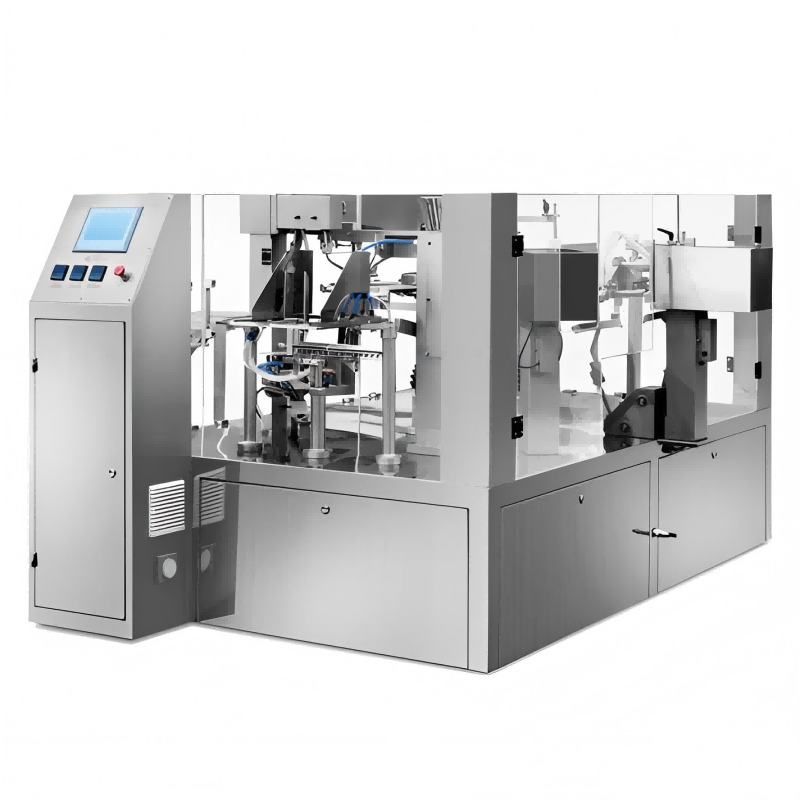
Boosting Output with High-Speed Pet Food Packaging Machines
Eliminating Bottlenecks in Wet and Dry Production Lines
Fast moving pet food packaging equipment tackles those frustrating bottlenecks that slow down production everywhere. When it comes to wet food lines, these automated fillers keep things running smoothly even when dealing with thick products, so there's no messy overflow stopping everything like happens with manual setups. For dry kibble producers, they see about a third increase in output thanks to special multi-lane weighing systems working together with vertical form fill seal machines. This setup gets rid of those annoying backup spots where materials pile up. What makes these systems really stand out is their flexibility. They can switch between small 3 ounce pouches and big 40 pound bags without needing time consuming reconfigurations, which cuts changeover times nearly three quarters faster than older semi automatic lines. The conveyor belts powered by servos ensure consistent handling throughout, keeping speeds above 120 bags per minute while cutting jam incidents almost completely according to Packaging Digest last year.
Servo-Driven Precision: Reducing Cycle Time Without Sacrificing Reliability
The latest generation of packaging machines relies on closed loop servo motors to get the right balance between speed and dependability. Traditional pneumatic systems just can't match this performance. With direct drive technology, the sealing jaws and cutters move through their cycle in about 0.2 seconds, repeating within 0.1 mm accuracy each time. This precision means fewer misaligned seals and much faster processing speeds. What really makes these systems stand out is how they handle different materials. Real time torque monitoring adjusts automatically when there are changes in film thickness, which becomes super important when manufacturers switch from standard recyclable films to those with aluminum barriers. This feature actually cuts down wear and tear on parts, so maintenance doesn't need to happen as often—about 300 extra hours before service is required. Companies report pouch production speeds have jumped by around 45%, with machines running almost non stop at 99.98% uptime according to PMMI data from 2022. Pretty impressive for something that handles such delicate packaging tasks in the pet food industry.
Ensuring Batch-to-Batch Consistency via Automated Control Systems
Reducing Human Variability in Portioning, Sealing, and Labeling
When it comes to manual packaging operations, there's just no getting around the inconsistency factor. People make mistakes after all, and studies show these errors can lead to around 5% differences in how much product ends up in each package plus issues with seals too (Packaging Digest reported this back in 2023). That's where automation really shines. Modern filling machines equipped with servo motors can measure both wet and dry ingredients down to within half a percent accuracy most of the time. The latest equipment also features built-in cameras that check every single package for proper labeling and good seals. Meanwhile, robots handle those sticky labels at impressive speeds, sometimes cranking out over 200 bags per minute without breaking a sweat. All this attention to detail means factories waste about 30% fewer products needing fixes later on, and customers rarely get packages that are either shortchanged or have leaks.
Real-Time Feedback Loops for Weight Accuracy, Seal Integrity, and Fill Volume
Today's pet food packaging equipment comes equipped with closed loop control systems that constantly watch over data throughout the process. When load cells spot any weight differences greater than plus or minus one gram, they kick off automatic changes to the auger system right away. Thermal sensors check seal temps every 20 milliseconds, and special air pressure testing helps find those tiny leaks in the pouches before they become problems. All these instant fixes keep everything within FDA and FSMA requirements while cutting down on wasted materials by around 22%, according to Food Engineering from last year. Manufacturers track all sorts of parameters during production, including how much product goes into each bag and oxygen levels inside modified atmosphere packages. This attention to detail means most batches come out consistently good, hitting nearly 99.8% uniformity across runs without having to slow down the line.
Enabling Premium & Sustainable Formats with Pouch Packaging Automation
Scaling Mono-Material Pouch Production to Meet Eco-Regulatory and Consumer Demand
The push for recyclable packaging combined with rules such as EPR laws has made mono-material pouches increasingly popular. These single layer films make recycling much easier while still keeping products fresh. When it comes to industrial packaging, automation makes it possible to scale up production of these green options quickly. Machines handle materials better, fill containers precisely, and seal them without defects. Traditional multi layer packages create about 30% more plastic waste than these simpler designs, yet they still last long enough on store shelves. Modern pouch machines come equipped with sensors that monitor everything in real time, maintaining around 0.5% accuracy in filling even when using eco friendly materials. This consistency matters a lot. Automated systems also take care of tricky tasks like attaching spouts and applying labels, which often trip up companies trying to go greener. High end brands benefit from inline printing capabilities that let them print custom designs right there during production without slowing things down. Since roughly three quarters of shoppers look at packaging before picking out pet food, having an integrated system helps companies satisfy both what regulators want and what customers expect from their products.
Maximizing ROI: Traceability, Compliance, and Data-Driven Maintenance
Vision Inspection, Blockchain-Ready Logging, and FDA/FSMA Alignment
Vision inspection systems spot packaging issues like crooked labels and faulty seals as they happen on the production floor, stopping expensive product recalls before they start. The system logs batch information using blockchain technology throughout the entire packaging process, which makes it much easier to track products when regulators from the FDA or FSMA come knocking. When companies automate their compliance reports, mistakes drop by around 47% compared to handwritten records, and getting ready for audits takes roughly half the time. Having this kind of end-to-end visibility helps avoid those nasty regulatory fines and gets new products to market faster. Manufacturers who invest in industrial packaging machines with traceability features built right in stay prepared for inspections at any moment, day or night, without breaking a sweat over changing environmental labeling requirements that keep popping up.
FAQ
What benefits do high-speed pet food packaging machines offer?
They increase efficiency by tackling bottlenecks, reducing changeover times, and providing flexibility to switch between different packaging sizes without requiring extensive reconfiguration.
How does servo-driven precision improve pet food packaging?
Servo-driven motors enhance packaging precision by reducing cycle times, improving seal accuracy, and ensuring materials are handled more effectively. They also require less maintenance due to reduced wear and tear on components.
Why is automation crucial in ensuring batch consistency?
Automation reduces human errors, enhances precision in portioning, sealing, and labeling, and uses real-time feedback loops to maintain weight accuracy and fill volume.
What role do sustainable pouch packaging play in the industry?
These pouches are environmentally friendly, easier to recycle, and meet both regulatory requirements and consumer demand for sustainable packaging. Automation helps scale up their production efficiently.
How do vision inspection systems benefit compliance and traceability?
They help identify and rectify packaging defects in real-time, use blockchain for logging, and aid in meeting FDA and FSMA alignment, ensuring compliance and traceability.
Table of Contents
- Boosting Output with High-Speed Pet Food Packaging Machines
- Ensuring Batch-to-Batch Consistency via Automated Control Systems
- Enabling Premium & Sustainable Formats with Pouch Packaging Automation
- Maximizing ROI: Traceability, Compliance, and Data-Driven Maintenance
-
FAQ
- What benefits do high-speed pet food packaging machines offer?
- How does servo-driven precision improve pet food packaging?
- Why is automation crucial in ensuring batch consistency?
- What role do sustainable pouch packaging play in the industry?
- How do vision inspection systems benefit compliance and traceability?