
 EN
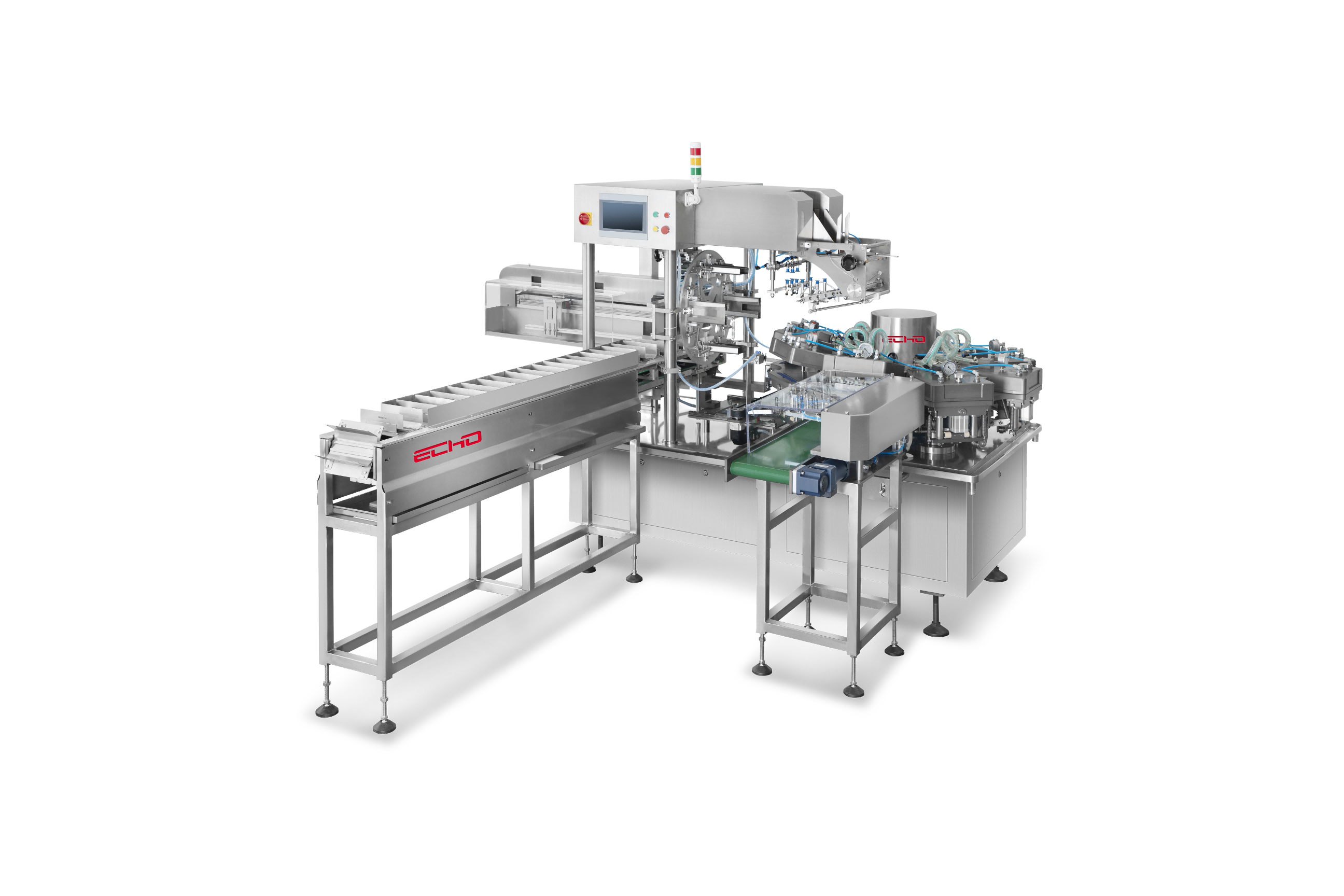
How an Airtight Food Packaging Machine Replaces Synthetic Preservatives
Oxygen, moisture, and light barrier properties as natural preservation levers
An airtight food packaging machine creates a hermetic enclosure that limits oxygen, moisture, and light exposure—three primary spoilage drivers. Oxygen fuels aerobic bacteria and accelerates fat oxidation, leading to rancidity and off-flavors. Moisture promotes mold growth and softens crisp textures in dry foods. Light degrades vitamins, natural pigments, and unsaturated fats. High-barrier films and precision seals block these factors at the package level, preserving stability without synthetic additives. Modified atmosphere packaging (MAP) can reduce residual oxygen to below 1% by flushing with nitrogen or carbon dioxide before sealing—a low-oxygen state that naturally suppresses mold and pathogen growth. For clean-label products, these physical barriers perform the same protective role once filled by chemical preservatives. Instead of adding sodium benzoate or potassium sorbate, manufacturers can rely on packaging design to maintain freshness. Moisture-proof seals prevent clumping in powders and preserve crispness in snacks; light-blocking laminates shield sensitive oils and natural colors from photo-oxidation. Controlled studies show low-oxygen packaging suppresses aerobic spoilage organisms as effectively as common preservative systems .
Case evidence: Reduced sodium benzoate and potassium sorbate usage post-implementation
Clean-label manufacturers have reported measurable preservative reductions after switching to airtight packaging formats. A 2023 IFT review of plant-based snack facilities found that 68% eliminated potassium sorbate entirely after adopting high-barrier, nitrogen-flushed seals. Sodium benzoate use fell by an average of 54% across bakery and confectionery lines. In ready-to-eat grain bowls, replacing conventional flow wrap with vacuum-assisted sealing cut potassium sorbate concentration from 0.08% to 0.02% of formula weight. Soft-baked bars achieved a 90-day, mold-free shelf life without sodium benzoate when sealed airtight—compared to just 45 days in non-barrier film. Similarly, frozen plant-based patties transitioned to full removal of potassium sorbate—and reduced sodium benzoate from 0.05% to 0.01%—after switching to airtight vacuum skin packaging, with no increase in mold or yeast counts. These outcomes confirm that rigorous oxygen and moisture exclusion alone can suppress microbial growth sufficiently to eliminate or drastically reduce synthetic preservatives. Post-implementation audits also reveal fewer formulation constraints, simpler ingredient statements, and stronger consumer trust in clean-label claims.
Extending Shelf Life While Upholding Clean Label Integrity
Vacuum sealing and MAP: precision freshness control without additives
An airtight food packaging machine enables two additive-free preservation strategies: vacuum sealing and modified atmosphere packaging (MAP). Vacuum sealing removes nearly all oxygen, dramatically slowing oxidative rancidity and aerobic microbial growth. MAP replaces headspace with a tailored gas blend—typically nitrogen and carbon dioxide—while maintaining precise residual oxygen levels calibrated to product sensitivity. Bakery items may use 30–40% carbon dioxide to inhibit mold, while plant-based proteins benefit from high-nitrogen flushing to prevent lipid oxidation. Both methods preserve freshness through physical barriers rather than chemical intervention, supporting short, transparent ingredient lists. Crucially, performance hinges on hermetic seal integrity: even minor leaks compromise gas ratios and allow moisture or oxygen re-entry. Regular validation of seal strength and headspace gas composition ensures consistent preservation across production runs.
Quantified impact: 40–70% shelf life extension (FDA/IFT 2023) — verified across bakery, snack, and plant-based categories
Data compiled jointly by the U.S. Food and Drug Administration and the Institute of Food Technologists in 2023 confirm that airtight packaging systems extend shelf life by 40–70% across bakery, snack, and plant-based categories. In baked goods, vacuum sealing and high-CO₂ MAP delay mold onset, often adding several weeks of saleable life. Snack products maintain crispness and flavor by limiting moisture uptake and oxidation—many extending from a 3-month to a 5-month shelf life. Plant-based proteins and dairy alternatives benefit from nitrogen flushing that slows lipid oxidation and color degradation. These gains occur without preservatives, preserving clean-label integrity. The extension translates directly into fewer rejected lots, less food waste, and broader distribution reach. Variability depends on initial water activity, film barrier performance, and seal consistency—not chemical dosage. As a result, shelf life is extended transparently, reliably, and without formulation trade-offs.
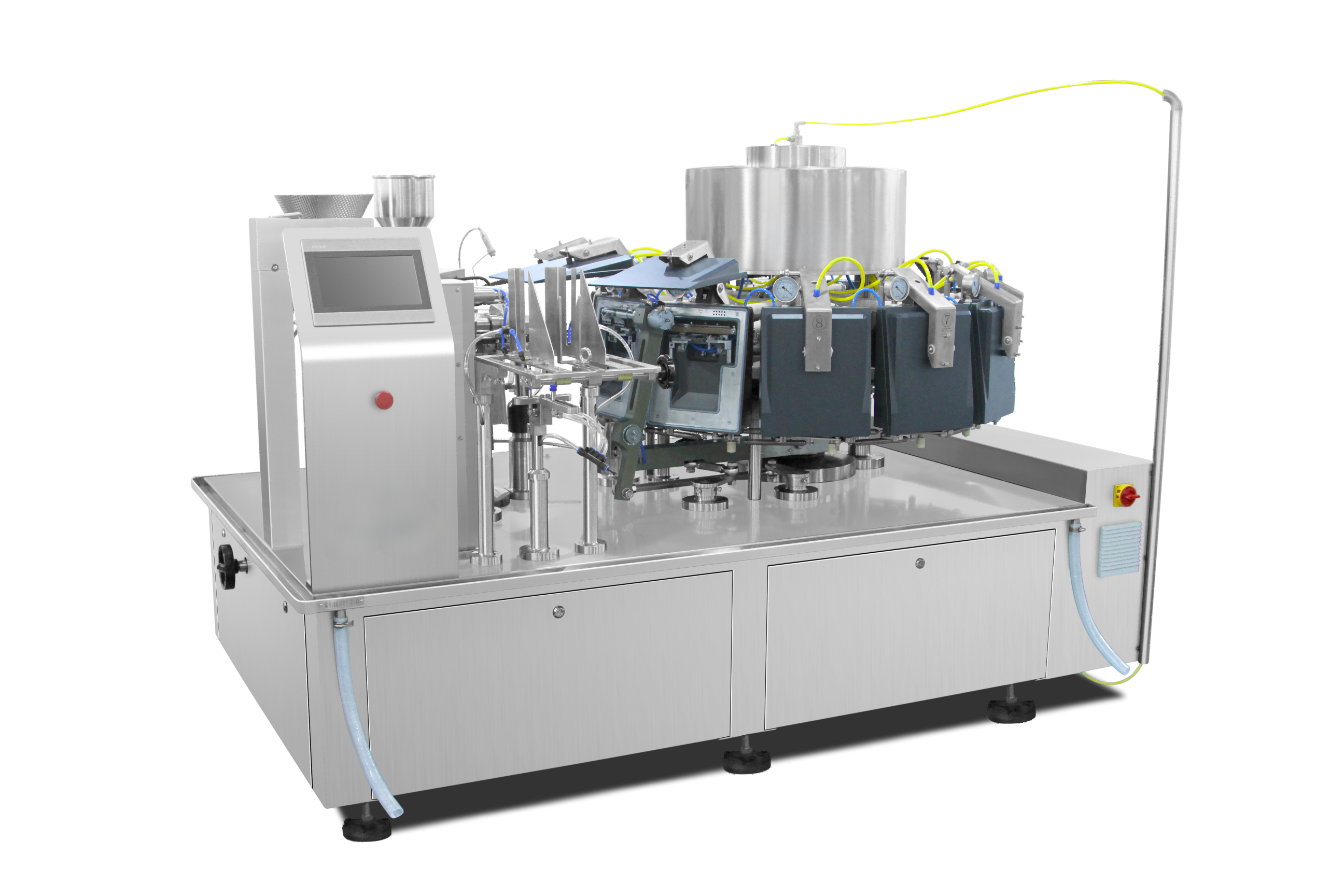
Ensuring Food Safety Without Chemical Intervention
Four-barrier protection: oxygen, moisture, light, and microbial ingress — all enabled by airtight food packaging machine performance
An airtight food packaging machine delivers four integrated physical barriers—against oxygen, moisture, light, and microbial ingress—that collectively reduce reliance on chemical preservatives. Sealing controls residual oxygen to below 1%, limiting aerobic bacteria and mold. Moisture barriers stabilize water activity to inhibit yeast proliferation and texture breakdown. UV-blocking layers protect vulnerable compounds like unsaturated fats and natural pigments. Secure closures prevent post-packaging contamination during handling, storage, and transport. Automated systems with contactless sealing and easy-clean surfaces further support FDA and EU hygiene standards. Routine seal integrity testing—including vacuum decay and dye penetration assays—verifies barrier performance across batches. This approach aligns with Hazard Analysis and Critical Control Point (HACCP) principles, positioning packaging as a preventive control rather than a corrective additive. In practice, products maintain safety records without sodium benzoate or potassium sorbate—delivering robust clean-label compliance without compromising food safety.
Maintaining Sensory Quality and Sustainable Compatibility
Preventing chemical migration and off-flavor transfer in clean-label-compliant films and laminates
An airtight food packaging machine supports sensory stability by minimizing oxygen ingress—the primary trigger for lipid oxidation and off-flavor development. When paired with clean-label-compliant films and laminates, controlled vacuum or MAP sealing reduces the potential for chemical migration from adhesives, inks, or coatings. Lower headspace oxygen and stabilized moisture levels slow degradation reactions that can release taints or alter aroma. To ensure safety and quality, manufacturers should verify migration limits using standardized total migration testing and trained sensory panel evaluation. High-barrier, food-grade laminates not only preserve taste, texture, and appearance but also align with sustainability goals—many are engineered as mono-material structures or designed for recyclability. This dual focus maintains product integrity without masking agents, synthetic preservatives, or sensory compromises.
FAQs
1. How does an airtight food packaging machine limit spoilage?
An airtight food packaging machine creates a hermetic seal that blocks oxygen, moisture, and light, which are the primary drivers of spoilage. It uses high-barrier films and controlled atmospheres to preserve product quality without synthetic preservatives.
2. What are the benefits of modified atmosphere packaging (MAP)?
Modified atmosphere packaging (MAP) replaces oxygen in the package with nitrogen or carbon dioxide, suppressing the growth of mold and pathogens. This low-oxygen environment extends shelf life and maintains freshness naturally.
3. Can airtight packaging reduce or eliminate chemical preservatives?
Yes, airtight packaging can significantly reduce or eliminate the need for chemical preservatives like sodium benzoate and potassium sorbate by maintaining freshness through physical barriers that inhibit spoilage.
4. How does airtight packaging improve shelf life?
Airtight packaging extends shelf life by 40–70% by minimizing exposure to oxygen, moisture, and light, which slows down spoilage and degradation processes.
5. Is airtight packaging environmentally sustainable?
Many modern airtight packaging solutions use recyclable or mono-material structures, making them compatible with sustainability goals while ensuring product integrity.