
 EN
EN
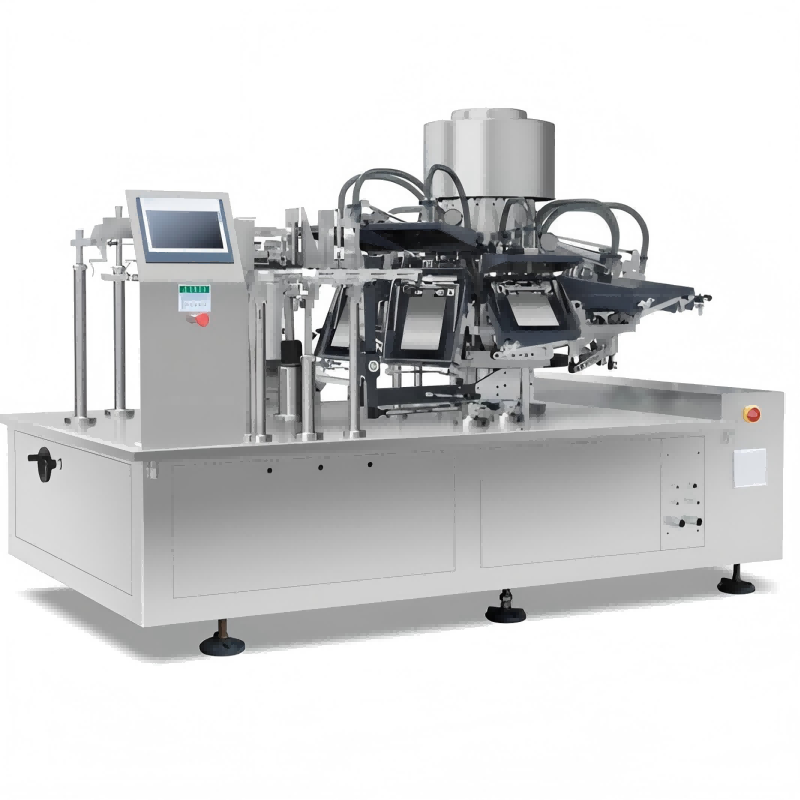
The Science Behind Automatic Vacuum Packaging Machine and Shelf Life Extension
How the vacuum sealing process preserves food quality and extends shelf life
Vacuum packing machines take out about 95 to nearly 100 percent of the oxygen from packages, which creates an environment without oxygen where food doesn't break down as quickly through enzymes or get rancid from oxidation. Studies published in the Journal of Food Protection back in 2023 show that foods stay fresh in terms of texture, color, and nutrients for around five times longer compared to regular packaging methods. These machines work by sucking out air fast then sealing it tight with heat, so meat doesn't suffer from freezer burn and even fragile items like strawberries remain intact during storage.
Oxygen removal and moisture control: Key mechanisms for preservation
Vacuum packaging combats two major causes of food degradation: oxygen exposure and moisture loss.
| Factor | Impact Without Vacuum Sealing | Vacuum-Sealed Improvement |
|---|---|---|
| Oxygen exposure | 72% faster lipid oxidation | 89% reduction (USDA 2023) |
| Moisture loss | 15% weight loss in 7 days | <3% over 21 days |
Maintaining residual oxygen levels at or below 0.5% inhibits aerobic bacteria while preserving optimal humidity. Advanced systems use moisture sensors to adjust sealing parameters for different foods such as leafy greens (85–95% RH) and cured meats (55–65% RH) ensuring consistent preservation across product types.
Inhibiting microbial growth through vacuum sealing technology
When we remove almost all the oxygen from food packages through vacuum sealing, it basically puts the brakes on most microbes since they need oxygen to grow. This works especially well against pesky Pseudomonas and molds that love to multiply in regular packaging. The real magic happens when products are sealed completely tight. These hermetic seals stop any unwanted contamination between different foods stored together. Add some CO2 and nitrogen gas into the mix through modified atmosphere packaging, and spoilage gets delayed even longer. Now, vacuum sealing isn't going to kill off all bacteria completely, but research shows something pretty useful happens anyway. Refrigerate these sealed packages at around 4 degrees Celsius or lower, and dangerous bacteria take about four to seven extra days before they start growing actively again. That gives food manufacturers valuable time to get products to stores without compromising safety standards.
Critical Factors Affecting Shelf Life in Vacuum-Sealed Foods
Shelf Life Variations Across Meats, Fruits, and Vegetables
The amount of time food stays good when vacuum sealed really depends on what we're talking about here. Take beef for instance. When properly vacuum sealed, it can hang out in the freezer for around 2 to 3 years, which is way better than the usual 6 months with regular packaging methods. This works so well because beef has all that dense protein and doesn't lose moisture as quickly. Vegetables are different story though. Spinach and similar greens only get about an extra week or two in the fridge compared to their normal 3 to 5 day lifespan. Seafood lovers will notice big differences too. Vacuum sealed salmon keeps tasting fresh for about a month instead of just a week with standard packaging. But watch out for those juicy berries. Raspberries actually start breaking down faster in vacuum sealed bags since they have so much water content. The enzymes go wild without oxygen, and nutrients disappear quicker than expected. So while vacuum sealing helps a lot, it's definitely not a one size fits all solution for every kind of food.
Optimal Temperature Control for Stored Vacuum-Sealed Foods
When it comes to keeping vacuum sealed food good for longer, temperature matters way more than people think. Take chicken as an example. Even though all the air has been sucked out, putting it in the fridge at 40 degrees Fahrenheit rather than 32 can cut how long it stays fresh down by about two thirds because certain bacteria start working overtime. Some studies done at Nebraska Lincoln found something interesting too. They noticed that when frozen foods get warmer by just nine degrees above zero, enzymes inside them start reacting twice as fast. That's why many businesses these days are starting to stick temperature tracking RFID tags on their products. These little devices help keep tabs on what's happening throughout shipping and storage. Companies report around a third less waste when they do this kind of monitoring during those cold chain checks.
Do All Foods Benefit Equally? Addressing Limitations and Misconceptions
Some foods just don't play well with vacuum sealing techniques. Take soft cheeses such as brie for instance they tend to get weird textures when deprived of air circulation. Mushrooms are another problem child since they give off gases that might actually break the seal over time. Recent research from 2023 showed something interesting about berries too. Raspberries kept under vacuum lost around 22 percent more vitamin C compared to ones left in regular storage conditions because certain enzymes kick into high gear without oxygen present. And here's something important to remember nobody should think vacuum sealing makes sanitation unnecessary. Even after sealing, dangerous bacteria like Listeria monocytogenes can continue growing if there was already enough contamination present beforehand. The threshold is generally considered unsafe when levels go above about 100 colony forming units per gram before the food gets sealed away.
Ensuring Food Safety: Preventing Bacterial Contamination During Vacuum Sealing
Proper Pre-Sealing Preparation: Cleaning, Drying, and Portioning
Getting good results from vacuum sealing begins with proper prep work. Leafy greens need a good rinse to wash away dirt and germs. If not cleaned properly, there could be around 92% more stuff hanging around on them according to some recent FDA research. After washing, meats and veggies should be patted dry before sealing since extra moisture tends to mess with how well the seal holds. Putting food into individual portions also helps cut down on touching different items together which might spread bacteria around. When dealing with raw chicken especially, taking these steps really matters because bad preparation can actually make bacteria grow three times faster inside those vacuum sealed bags.
Avoiding Cross-Contamination in Commercial and Industrial Settings
Segregation plays a huge role in big operation settings. Plants that implement color coding for their equipment plus separate areas for handling raw versus cooked foods tend to get into trouble with the FDA about 67% less often. The newer vacuum packaging machines have really changed things too. They automate so much of the process that there's just less chance for hands-on contamination issues. And let's not forget about cleaning routines. Facilities need to hit those surfaces every night with proper NSF certified cleaners. This becomes even more critical in places dealing with milk products or fish processing because those environments are breeding grounds for stubborn biofilms that regular cleaning misses completely.
Advanced Sealing Practices for Enhanced Food Safety
Top-tier facilities employ multiple layers of protection:
- Real-time sensors that detect micropunctures in seals
- UV-C light arrays that sterilize bags before filling
- AI-powered cameras identifying particulate contamination during loading
These technologies reduce defective seal rates to less than 0.2%. Automated inspection systems can identify flaws as small as 5 microns smaller than most bacterial cells ensuring complete airtightness. When paired with blockchain-based batch tracking, they create a fully traceable safety record from packaging to retail.
Pro Tip: Always chill cooked foods to 40°F before sealing to halt bacterial activity during packaging delays.
Commercial Advantages of Automatic Vacuum Packaging Machines
Scaling Food Production with Reliable Automatic Vacuum Packaging Machine Systems
Vacuum packaging machines that run automatically help producers grow their operations without sacrificing product quality. These machines take care of removing air and applying heat seals, which cuts down on mistakes made by people working manually. The speed boost is pretty impressive too many factories see their packaging cycles go from 40 to even 60 percent quicker compared to doing it by hand according to Food Engineering magazine from last year. When companies need to crank out large volumes consistently, these machines become almost indispensable. Businesses looking to expand production lines can rely on this technology to maintain food safety standards while keeping up with increased demand.
Case Study: Efficiency and Innovation in Packaging
One major manufacturer integrated advanced vacuum packaging systems across three production lines, achieving a 35% reduction in packaging time and 18% lower material waste within six months. This improvement highlights how modern automation reduces labor dependency while maintaining precision in seal integrity and oxygen control.
Smart Integration: Automation and IoT in Modern Vacuum Packaging
IoT-enabled machines use real-time data from integrated moisture and pressure sensors to automatically adjust sealing parameters. Remote monitoring of production metrics allows operators to track performance, while predictive maintenance algorithms cut unplanned downtime by 27% compared to traditional systems (Packaging World 2023).
Reducing Waste and Optimizing Distribution Through Automated Sealing
Automated systems deliver 99.9% seal consistency, drastically reducing spoilage during transit and storage. The compact nature of vacuum-packed goods decreases storage space needs by 30–50%, lowering cold-chain logistics costs. These efficiencies free up 15–20% of operational budgets for reinvestment in market expansion and innovation.
FAQ
What benefits does vacuum packaging offer to food quality?
Vacuum packaging benefits food quality by removing oxygen, thus slowing down spoilage and preserving texture, color, and nutrients for a longer time.
Does vacuum sealing completely prevent bacterial growth?
No, while vacuum sealing inhibits aerobic bacterial growth, it does not eliminate all bacteria. Proper storage temperatures further retard bacterial activity.
Are there any drawbacks to vacuum packaging on certain foods?
Yes, certain foods like raspberries and brie cheese can experience altered textures or faster nutrient degradation in vacuum-sealed conditions.
How important is temperature control in vacuum-sealed food storage?
Temperature control is crucial as it significantly affects the shelf life of vacuum-sealed foods due to enzyme activity and bacterial growth.
What are the commercial advantages of using automatic vacuum packaging machines?
Automatic vacuum packaging machines enhance production efficiency, maintain food quality, and reduce labor and material costs, supporting large-scale operations.
Table of Contents
- The Science Behind Automatic Vacuum Packaging Machine and Shelf Life Extension
- Critical Factors Affecting Shelf Life in Vacuum-Sealed Foods
- Ensuring Food Safety: Preventing Bacterial Contamination During Vacuum Sealing
- Commercial Advantages of Automatic Vacuum Packaging Machines
-
FAQ
- What benefits does vacuum packaging offer to food quality?
- Does vacuum sealing completely prevent bacterial growth?
- Are there any drawbacks to vacuum packaging on certain foods?
- How important is temperature control in vacuum-sealed food storage?
- What are the commercial advantages of using automatic vacuum packaging machines?