
 EN
EN
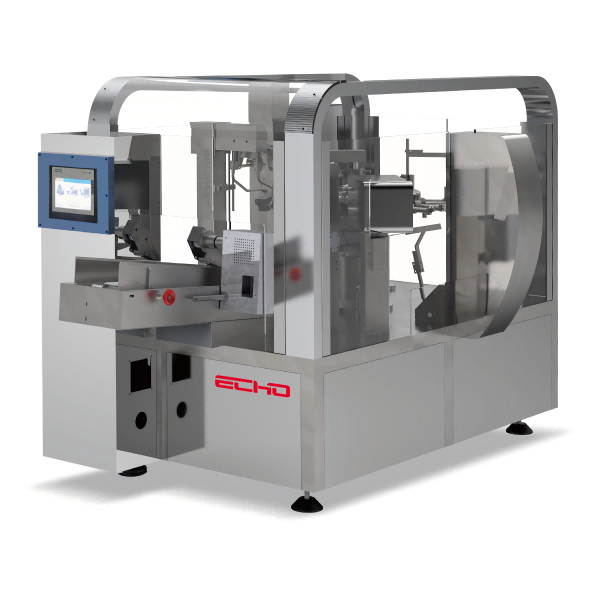
Chocolate Packaging Machines – Scalable Solutions for Artisan Chocolate’s Rise
Growth trends in the small-batch chocolate market
Artisan chocolate looks set to expand quite a bit, with forecasts suggesting around 12.4 percent annual growth all the way until 2028. People want their chocolates to come from ethical sources and be made from single origin beans, according to data from the National Confectioners Association back in 2022. These days, small scale makers represent about 28 percent of the premium chocolate market worldwide. That's creating a real buzz about packaging solutions that can handle different batch sizes without making the product look too industrial. The big question remains though how do these craft chocolate makers keep growing their businesses while still maintaining what makes their products special enough to charge 30 to 50 percent more than what supermarkets sell? It's this balancing act between scale and quality that defines much of the current conversation in the industry.
Consumer demand for authenticity, sustainability, and craftsmanship
Seventy-four percent of consumers prioritize sustainable packaging when buying premium chocolates, with 68% willing to pay more for compostable or reusable wrappers (Sustainable Packaging Institute 2023 Survey). Artisan brands must meet these expectations while ensuring packaging:
- Communicates craftsmanship through tactile materials like textured papers
- Preserves freshness in small batches with shorter shelf lives
- Reflects eco-conscious values via biodegradable laminates
A 2023 industry study found 82% of shoppers associate hand-finished details with quality, creating operational challenges for producers scaling up. Meeting this dual demand for authenticity and efficiency makes modern chocolate packaging machines essential for aligning craft appeal with scalable precision.
Key Challenges in Scaling Artisan Chocolate Production
Balancing Handmade Quality With Increased Production Volume
For artisan chocolate makers, there's always that tough choice between keeping things handmade and trying to crank out more product. The whole process from tempering to molding matters so much for how the chocolate tastes and feels in the mouth, but doing all that by hand just doesn't work when they need to make bigger batches. A recent industry report from 2023 found that nearly seven out of ten small chocolate makers ran into problems with consistency once they tried to double their usual production levels. That's where semi-automated packaging comes in handy. These systems take care of all the boring stuff like wrapping each piece and making sure the seals are tight, yet still leave room for those special touches that make artisan chocolates unique. Think about those beautiful hand-painted designs on some truffles or the fancy molds used for holiday shapes these machines don't interfere with those creative aspects at all.
Labor-Intensive Packaging as a Growth Bottleneck
For small chocolate makers, packaging eats up around 30 to 40 percent of their production time according to the latest Artisan Food Production Report from 2024. This means each worker can only manage about 200 to 300 pieces per day at most. When it comes to actually getting products out the door, all those hand folded boxes, tied ribbons, and carefully applied labels become real headaches especially when orders spike during holidays or special events. Labor costs climb too high sometimes reaching $18 an hour for workers doing this repetitive work, plus there's always some variation in how things look. The good news? Automating even part of this process takes away one of the biggest roadblocks in their workflow, so they can keep up with demand without hiring more staff or burning through extra cash.
Maintaining Brand Identity and Consistency at Scale
When artisan brands grow too fast, they often lose what makes them special - those little details in their stories and looks that customers remember. According to a study published in Food Engineering Magazine last year, almost half (around 54%) of people actually associate things like hand written labels on packages and minor differences in product shapes with genuine craftsmanship. That's why many companies are turning to modular chocolate packaging systems these days. These machines let makers produce custom runs even when ordering just 50 pieces at a time. They also support old fashioned techniques such as foil stamping that gives products that retro feel, plus eco friendly options with recycled paper wraps. Meanwhile, advanced quality checks during production help maintain extremely high standards. The system catches defects instantly, keeping seal integrity at about 99.8% and ensuring accurate weights throughout each batch. This attention to detail helps build customer confidence while still allowing brands to command higher prices for their specialty items.
How Chocolate Packaging Machines Enhance Efficiency Without Compromising Craft
Precision and quality control through automated wrapping and sealing
The latest flow wrapper technology manages chocolate's delicate nature when it comes to heat and pressure through precise servo controls. These advanced machines keep temperatures within half a degree Celsius while sealing, which makes all the difference for quality control. They also feature special soft grip conveyors that cut down on surface blemishes by about 83 percent compared to what happens when workers handle them manually according to the recent Confectionery Automation Report from last year. What really stands out though are the built-in vision systems that check every angle of each package as they zip along at around 120 units per minute. This means products meet strict appearance requirements without holding back the overall speed of manufacturing operations.
Reducing waste and increasing throughput with smart packaging automation
The smart motion control technology makes sure film gets cut right at those product dimensions down to about 1mm accuracy, which really cuts down on wasted materials. According to a recent look at 45 different craft production facilities back in 2023, when they switched to these automated cutting systems, they saw their packaging waste drop by around 32%. Plus, their hourly production jumped all the way up to making 400 units per hour instead of half that number before. Another big plus comes from those self adjusting tension controls that stop those annoying film jams so often. This is actually a huge deal because studies show that roughly one out of every four hours lost in smaller operations used to be due to problems with the packaging lines getting stuck or jammed somehow.
Seamless integration of chocolate packaging machine into small-scale workflows
The modular design makes it easy to connect automated wrapping stations right next to those manual decoration areas where artisans work their magic. These compact machines take up less than 1.5 square meters of space and can be rearranged fast when new seasonal products come out. For craft chocolate makers who create special holiday editions, this flexibility is really important since around two thirds of them need this kind of setup according to the latest Craft Chocolate Trends Report from 2025. What's more, these systems come with universal input/output ports so they just plug right into whatever scales or labelers are already in place at most workshops. This means businesses don't have to throw away their old equipment when upgrading.
Case study: Productivity gains for a craft chocolatier using leading manufacturer solutions
A 12-person Chicago-based chocolatier implemented modular automation and achieved:
- 240% increase in output while preserving hand-painted detailing
- 19% reduction in packaging material costs through precise portioning
- FDA compliance automation for 98% of labeling tasks
The system paid for itself in eight months through labor savings and expanded wholesale opportunities.
Affordable and Flexible Automation for Small-Scale Chocolate Makers
Modular Chocolate Packaging Systems Tailored to Artisan Producers
Modern packaging systems are all about flexibility these days. Small scale manufacturers can begin with simple wrapping machines that handle around 800 to 1,200 items per hour, then upgrade later when they need extra functions like label applicators or automated sorting arms as their business expands. This step-by-step approach cuts initial expenses down by nearly 27% compared to going fully automated from day one, and still manages to keep operations running smoothly with close to perfect uptime even during busy production runs. What makes these setups really work well is how they leave room for human touchpoints too. For instance, artisan chocolate makers might want to personally check each batch of handcrafted truffles before the machine seals them up for shipping.
Customization Options for Small Batches and Seasonal Offerings
The flexibility of modern automation means manufacturers can run batches starting at just 50 units without needing any retooling work. Heat sealing equipment comes with adjustments for all sorts of materials ranging from those eco friendly cellulose options right down to shiny metal foils. And when it comes time to switch between different sized bonbons, the feeding trays make transitions pretty fast actually taking less than ninety seconds most times. Seasonal products such as holiday gift packages benefit greatly too since these programmable logic controllers or PLCs as they're called can remember around fifty different packaging configurations. That cuts down on the labor needed for changing over production lines by roughly two thirds compared to what would happen if everything had to be set up manually each time.
Preserving Artisan Integrity While Enabling Commercial Scalability
Top-tier systems blend robotic precision with human-guided variables, such as custom foil folding techniques. Studies show hybrid automation boosts output by 300% while retaining 96% customer satisfaction on perceived handmade quality. Real-time torque sensors even mimic the nuanced pressure of hand-wrapping, protecting delicate ganache layers and textured toppings from mechanical damage.
Ensuring Quality and Compliance with Data-Driven Packaging Solutions
Modern chocolate packaging machines integrate sensor arrays and machine vision to uphold artisanal standards at scale, addressing both operational excellence and regulatory demands.
Real-Time Monitoring of Weight, Seal Integrity, and Visual Consistency
Modern automated systems can check fill weights down to just 0.1 grams and spot tiny seal problems at the micron level through infrared scanning. These capabilities are really important when it comes to keeping premium quality bars fresh during storage and transport. Recent studies looking at how well heat seals hold up show that these automated checks cut down on packaging issues by around 89 percent when compared with what humans can do manually. What makes this technology so valuable is that it gives products the same kind of long lasting stability we expect from items sold in supermarkets, but without needing expensive factory equipment or specialized facilities.
Traceability, Labeling Accuracy, and Regulatory Compliance for Small-Batch Producers
Smart systems generate digital batch records tracking ingredient origins, allergen risks, and hygiene conditions—critical for meeting global food-grade compliance standards, especially when exporting organic or ethically sourced products. One Vermont chocolatier reduced audit preparation time by 73% after adopting automated labeling, all while retaining full flexibility for limited-edition releases.
FAQ
What challenges do artisan chocolate makers face when scaling production?
Artisan chocolate makers face several challenges when scaling production, including maintaining product quality while increasing production volume, meeting consumer demands for sustainable packaging, and handling labor-intensive packaging processes that become bottlenecks.
How can chocolate packaging machines improve efficiency for small-scale producers?
Chocolate packaging machines enhance efficiency by automating wrapping and sealing processes, reducing waste with smart technology, integrating seamlessly into workflows, and allowing customization for small batches without compromising product integrity.
What are the benefits of modular chocolate packaging systems?
Modular chocolate packaging systems offer benefits such as increased flexibility, lower initial setup costs, and the ability for producers to upgrade gradually as their business expands, all while preserving the human touch in the production process.
Table of Contents
- Key Challenges in Scaling Artisan Chocolate Production
-
How Chocolate Packaging Machines Enhance Efficiency Without Compromising Craft
- Precision and quality control through automated wrapping and sealing
- Reducing waste and increasing throughput with smart packaging automation
- Seamless integration of chocolate packaging machine into small-scale workflows
- Case study: Productivity gains for a craft chocolatier using leading manufacturer solutions
- Affordable and Flexible Automation for Small-Scale Chocolate Makers
- Ensuring Quality and Compliance with Data-Driven Packaging Solutions
- FAQ