
 EN
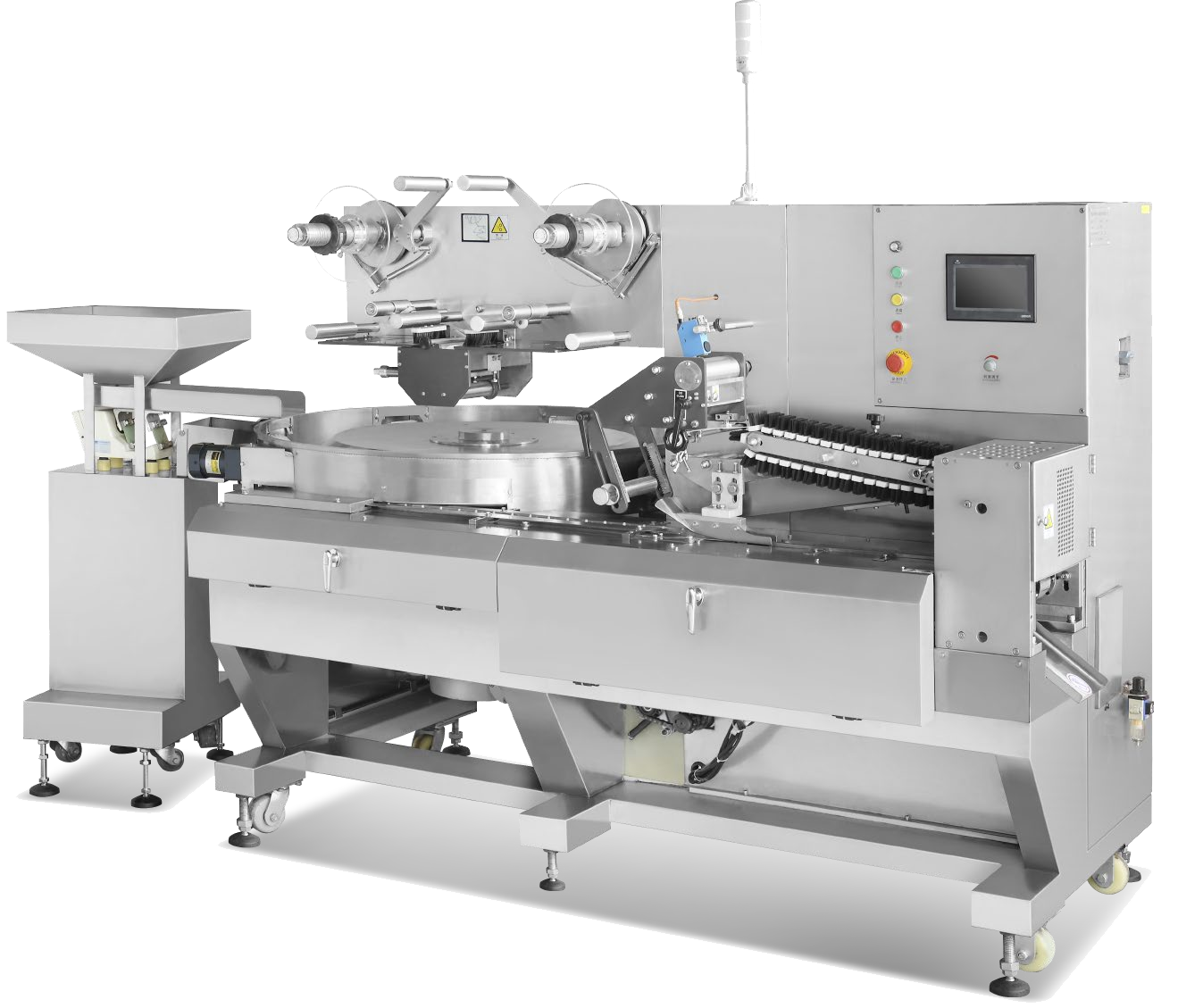
The Aroma Integrity Challenge in High-Speed Tea Packing Machines
Thermal and Mechanical Stress on Volatile Aromatic Compounds
Tea’s sensory identity hinges on more than 600 volatile organic compounds—including linalool, geraniol, hexanal, and phenylacetaldehyde—many of which are highly sensitive to heat and mechanical force. In high-speed tea packing machines, dosing augers and forming collars generate frictional heat, while compression during fill exerts mechanical shear that ruptures leaf trichomes and prematurely releases essential oils. Thermal exposure above 35°C accelerates evaporation and oxidation of these top-note aromatics; even brief contact with surfaces heated by sealing jaws—up to 15°C above ambient—can trigger exponential volatile loss. A controlled study found extended high-speed filling reduced key aromatic aldehydes by 27% and increased hexanal (a marker of lipid oxidation) by 18% (Journal of Food Engineering, 2026). Machines engineered for short residence times, minimal compression force, and actively cooled contact surfaces demonstrably retain more of the original sensory profile than conventional designs.
Why Standard Packaging Lines Compromise Tea Freshness
Standard packaging lines expose tea to ambient oxygen, humidity, and light for 10–20 seconds between dosing and final sealing—a critical window where even trace oxygen (as low as 1–2%) initiates lipid oxidation. This reaction degrades delicate terpenes and aldehydes into stale or hay-like off-notes. Many conventional films have oxygen transmission rates (OTR) exceeding 50 cc/m²/day—far above the 0.5 cc/m²/day threshold recommended for long-term tea freshness. While high-barrier laminates with aluminum foil or metallized layers can achieve OTRs below 0.1 cc/m²/day, their efficacy depends entirely on immediate post-fill sealing. Intermittent-motion lines introduce thermal fluctuations that cause micro-gaps in seals, accelerating aroma loss. A 2026 shelf-life study showed tea stored in low-barrier pouches lost up to 40% of its key volatiles within 30 days. By contrast, integrated systems with enclosed transfer, nitrogen flushing, and rapid sealing dramatically shorten this exposure window—preserving freshness far more effectively than retrofitted standard equipment.
Advanced Barrier Packaging Materials for Tea Packing Machines
In tea packing machines, advanced barrier materials serve as the primary defense against oxygen, moisture, and light—the three main drivers of aromatic degradation. The optimal film must deliver robust gas barrier performance without sacrificing mechanical integrity or reliable heat-seal behavior at high speeds.
Multi-Layer Metallized Films: Achieving Ultra-Low Oxygen Transmission
Multi-layer metallized films combine polyester, metallized polyester, or aluminum foil with polyethylene sealant layers to achieve ultra-low oxygen transmission. Aluminum foil remains the gold standard for premium whole-leaf teas: it provides near-zero OTR and blocks moisture and visible light completely. A typical PET/Al/PE laminate offers excellent mechanical strength and consistent heat-sealing performance in vertical form-fill-seal machines. Metallized PET offers a lighter, more flex-crack-resistant alternative with slightly higher—but often sufficient—barrier performance for short-to-medium shelf life. Since oxygen reacts directly with terpenes, aldehydes, and esters, even marginal improvements in OTR help preserve top notes. For high-speed operation, film selection also considers low coefficient of friction and stable unwind tension to prevent seal misalignment. Sealant layer melt index and total laminate thickness are tuned specifically for reliable performance at 200+ BPM.
Sustainable Bio-Barrier Solutions with Integrated Oxygen Scavengers
As sustainability demands grow, mono-material recyclable laminates and compostable coated papers are gaining traction—though their native oxygen and moisture barriers typically fall short of foil-based structures. Integrated oxygen scavengers bridge this gap by chemically binding residual headspace oxygen after sealing, slowing oxidation of volatile aromas. These scavengers are commonly compounded into tie layers or applied as active coatings that activate upon exposure to moisture or headspace oxygen. For high-speed tea packing machines, such materials must maintain adequate stiffness, heat-seal strength, and slip properties to run reliably without jamming or seal failure. Foil-free barrier papers and compostable films are best suited to teas with faster retail turnover, while high-aroma premium teas may still require hybrid solutions. This evolution supports circular packaging goals without fully compromising the aroma protection modern filling lines demand.
Active Protection: Nitrogen Flushing and Oxygen Scavenging in Tea Packing Machines
Real-Time Nitrogen Dosage Control at High Speed (200+ BPM)
At speeds exceeding 200 bags per minute, tea packing machines have only milliseconds to displace oxygen from each pouch headspace. Real-time nitrogen dosage control relies on mass flow sensors, fast-response proportional valves, and precise synchronization with fill-head motion to deliver consistent gas volume per bag. This closed-loop system maintains residual oxygen below 1%—the threshold at which volatile tea aromas begin oxidizing. Under-flushing leaves top notes vulnerable; over-flushing wastes nitrogen and risks pouch distortion. Advanced systems pair nitrogen flushing with integrated oxygen scavenger layers or sachets inside the pack. These secondary barriers absorb residual oxygen that migrates through microscopic seal channels post-filling—acting as an insurance layer for aroma integrity. Together, precision gas injection and scavenger backup extend shelf life, ensure batch-to-batch flavor consistency, and uphold the sensory promise of premium tea.
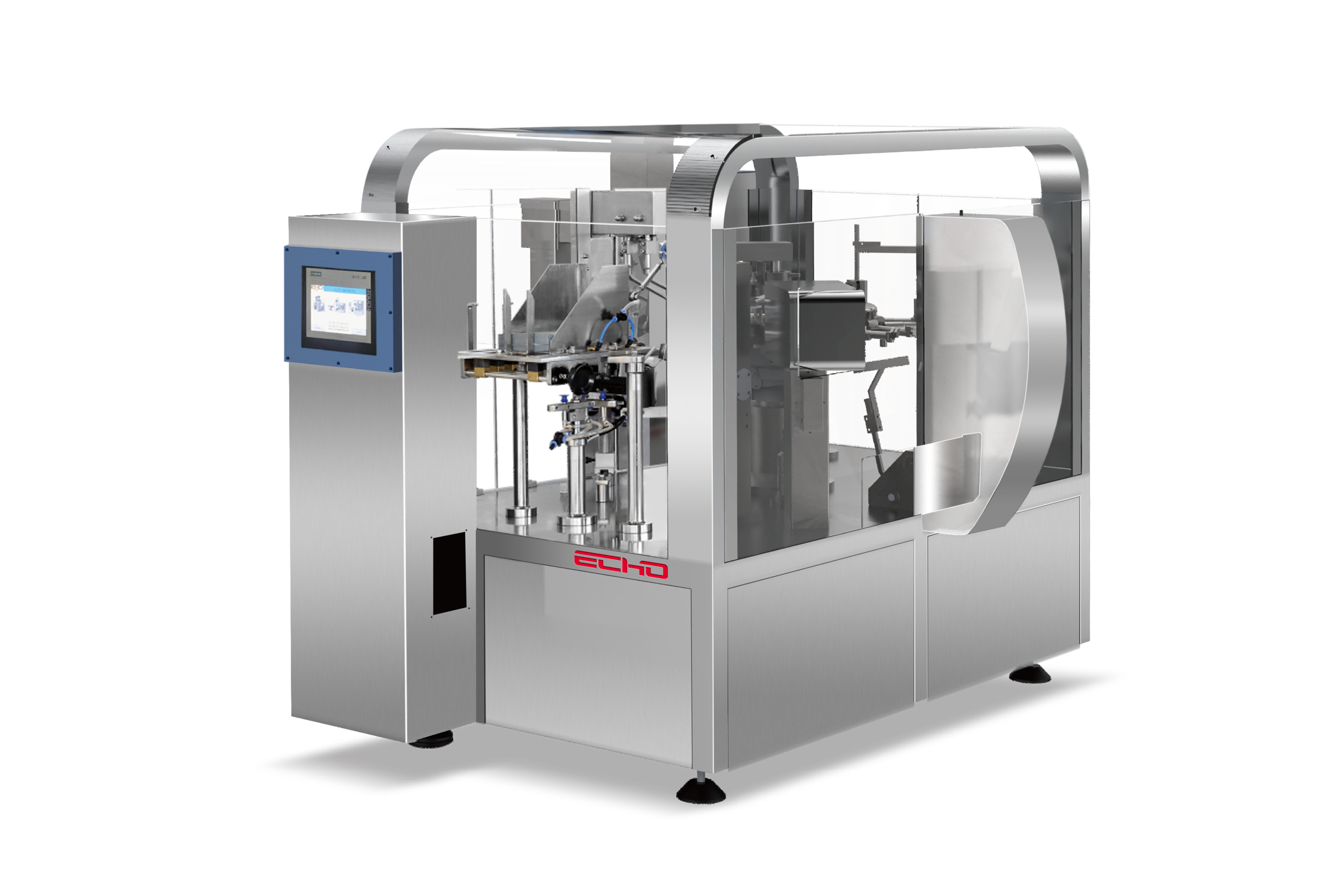
Precision Sealing Technologies That Maintain Aroma Barriers
Seal integrity is non-negotiable: even microscopic channel leaks allow oxygen ingress that flattens flavor and dulls aroma within weeks. Tea packing machines must deliver consistently hermetic seals across variable conditions.
Ultrasonic vs. Impulse Sealing Performance Across Operational Temperatures
Ultrasonic sealing generates heat exclusively at the polymer interface through high-frequency vibration, keeping the seal zone below 60°C (140°F)—well below the thermal degradation threshold for sensitive volatiles. It performs robustly in cooler or humid environments and tolerates minor product dust or thin films. Impulse sealing uses a heated nichrome ribbon with precise dwell time to create wide, strong seals at speed—but generates transient peak temperatures of 110–150°C (230–302°F), risking localized aroma loss if timing drifts or cooling is insufficient.
| Factor | Ultrasonic Sealing | Impulse Sealing |
|---|---|---|
| Seal zone temperature | Low to moderate | High transient |
| Sensitivity to moisture | Lower | Higher |
| Seal consistency at 200+ BPM | Good with closed-loop amplitude control | Good with precise dwell and cooling |
| Aroma preservation | Higher on delicate films and low-thermal-load applications | Requires strict thermal management to avoid compound degradation |
The optimal choice depends on film structure, line speed, and environmental control—not a universal preference. For aroma-critical applications, ultrasonic sealing offers inherent thermal advantages, while impulse remains viable where engineering controls ensure tight thermal regulation.
FAQ
Why are volatile aromatic compounds critical for tea’s freshness?
Volatile aromatic compounds like linalool and geraniol contribute heavily to the sensory identity of tea. Their degradation compromises the flavor and aroma, leading to a loss of freshness.
How does heat in high-speed tea packing machines affect tea quality?
Heat generated in machines accelerates evaporation and oxidation of volatile compounds, leading to aroma loss and reduced freshness.
What are some sustainable packaging options for tea?
Sustainable options include recyclable laminates and compostable films, often enhanced with integrated oxygen scavengers to preserve aroma.
What is the role of nitrogen flushing in tea packing?
Nitrogen flushing displaces oxygen from pouch headspace during packing, preventing oxidative degradation of tea’s aromatic compounds and extending shelf life.
How does ultrasonic sealing benefit tea packaging?
Ultrasonic sealing operates at low temperatures, reducing aroma loss and ensuring consistent seals, making it ideal for delicate films and aroma-critical applications.