
 EN
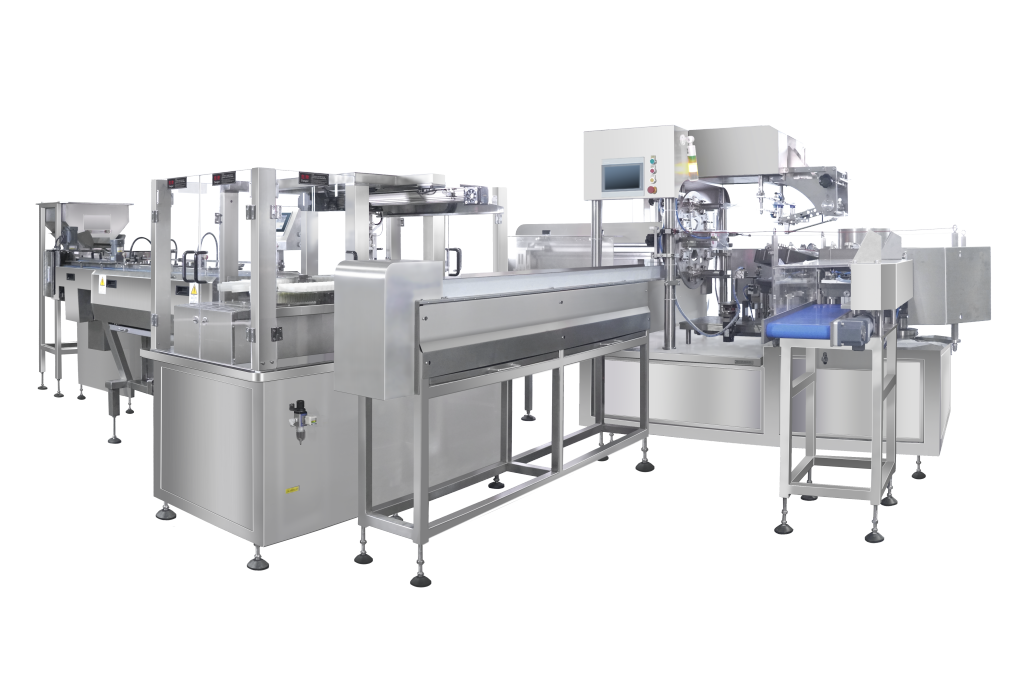
AI-Driven Intelligence in Packaging Machinery
AI-driven intelligence is transforming packaging machinery from fixed mechanical systems into adaptive, data-rich platforms. Two areas show the fastest adoption: predictive maintenance and vision-based quality control.
Predictive Maintenance for Smarter, More Reliable Packaging Machinery
Predictive maintenance applies machine learning to real-time vibration, temperature, and torque data from packaging equipment. By identifying subtle anomalies before they escalate, it shifts maintenance from rigid calendar-based schedules to condition-based alerts—reducing unplanned downtime and extending component life. A 2026 packaging equipment survey found that condition-based monitoring cuts reactive maintenance by nearly 30% on high-speed lines. This allows teams to act on actual wear patterns—not arbitrary intervals—so operators can adjust parameters before a seal bar drifts or a servo overheats. The result is more reliable machinery that sustains complex production schedules, improves fulfillment accuracy, and lowers total cost of ownership. Over time, models learn line-specific baselines, sharpening alert precision and minimizing false positives. These insights also support energy efficiency, as equipment operates consistently within optimal performance thresholds.
AI Vision Systems Enhancing Precision in High-Value Packaging (e.g., Jewelry Boxes)
AI vision systems go beyond binary pass/fail inspection. Trained on labeled images, they distinguish true defects—like misaligned hinges, faint scratches, or inconsistent insert fit—from acceptable natural variation in materials and finishes. This capability is critical for high-value packaging such as jewelry boxes, where minor flaws risk returns and damage brand perception. At line speed, these systems inspect lid alignment, hinge movement, surface blemishes, and dimensional consistency—reducing manual checks and costly rework. According to a 2026 packaging technology report, intelligent vision detects defects instantly during packaging, cutting waste and significantly lowering defect escape rates in precision workflows. Adaptive learning enables robust performance across lighting shifts and material texture changes without constant reprogramming. By preserving natural grain or gloss while enforcing tight visual tolerances, AI vision safeguards both product integrity and the premium unboxing experience.
IoT Connectivity and Real-Time Operational Control
Sensor-Integrated Packaging Machinery with MES/ERP Synchronization
Sensor-integrated packaging machinery embeds vibration, temperature, pressure, and vision sensors to stream live performance data directly into manufacturing execution systems (MES) and enterprise resource planning (ERP) platforms. This integration delivers plant managers a unified, real-time view of cycle counts, job progress, material consumption, and machine health—replacing lagging end-of-shift reports with immediate alerts when parameters deviate. Leveraging edge computing and cloud connectivity, time-sensitive decisions happen at the line level, while broader analytics inform strategic planning. Closed-loop control systems then auto-adjust settings, reducing manual intervention and human error. Remote diagnostics and configuration become routine, enabling off-site engineering support. This data backbone enhances traceability, shortens order-to-ship lead times, and prevents small deviations from escalating into costly rejects. As McKinsey noted in its 2026 industrial IoT analysis, IoT-enabled packaging lines can reduce unplanned downtime by up to 30%. Without this infrastructure, even high-speed lines operate reactively—blind to emerging issues and reliant on fragmented quality records.
Real-Time Quality Assurance and Adaptive Process Correction
Real-time quality assurance moves beyond end-of-line inspection to in-process correction. High-resolution cameras, laser profilers, and seal integrity sensors evaluate each package as it flows through the machine. When a defect is detected—not just flagged—the system feeds the error signature back into the control loop, triggering automatic adjustments to temperature, pressure, speed, or film tension on the next cycle. This adaptive process correction maintains consistent seal strength, label placement, and carton dimensions without halting production. It reduces scrap and rework, strengthens regulatory compliance through timestamped, parameter-linked deviation logs, and empowers operators with intuitive dashboards that highlight rejection trends and corrective actions. By closing the sensing–analysis–actuation loop, real-time QA transforms packaging machinery into a self-correcting system—boosting first-pass yield and stabilizing output across shifts, even amid material variability or fluctuating ambient conditions.
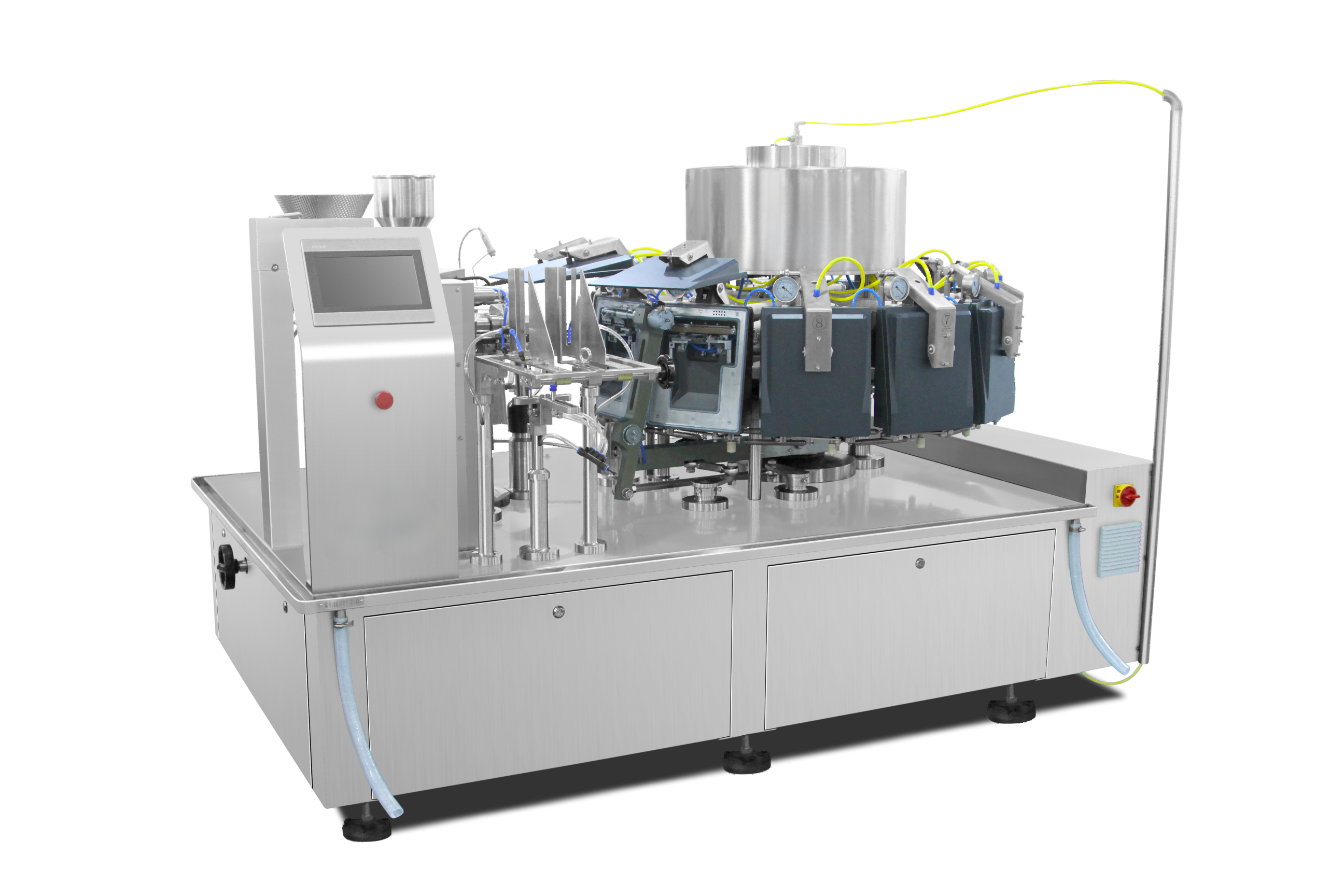
Agility, Sustainability, and Regulatory Compliance in Modern Packaging Machinery
Modern packaging machinery must deliver rapid changeovers, minimal material waste, and full regulatory traceability—making agility, sustainability, and compliance inseparable design imperatives for 2026 and beyond.
Hyper-Flexible Packaging Machinery for Rapid SKU Changeovers
Hyper-flexible packaging machinery slashes SKU changeover time from hours to minutes. Servo-driven controls and tool-less format parts let operators switch between package sizes, shapes, and materials without mechanical rebuilds. Automatic guided adjustments eliminate manual alignment errors, while recipe management stores validated pressure, temperature, and speed profiles—ensuring repeat orders start faster and with fewer setup errors. Modular frames support future expansion, allowing stations to be added without full-line replacement. This flexibility meets e-commerce demand for diverse pack counts and smaller batch runs, while maintaining sealing, labeling, and traceability consistency across regulated product mixes. Faster, more accurate changeovers also cut startup scrap and validation waste—keeping lines responsive, compliant, and cost-efficient.
Sustainable Engineering Innovations: Mono-Material Compatibility and Ultrasonic Sealing
Mono-material films replace multi-layer laminates with single-polymer structures—dramatically improving recyclability. Modern packaging machinery handles these materials without compromising seal integrity or throughput. Ultrasonic sealing complements this shift by using high-frequency vibration to bond layers, eliminating solvent-based adhesives and reducing thermal energy use by up to 40% compared to conventional heat sealing. This lowers carbon footprint, avoids adhesive contamination risks, and protects heat-sensitive products. Together, mono-material compatibility and ultrasonic sealing help converters meet plastic reduction targets and extended producer responsibility (EPR) mandates. As global regulations tighten in 2026, these innovations make compliance not just achievable—but operationally seamless and environmentally sound.
FAQs
How does AI-powered predictive maintenance benefit packaging machinery?
It reduces unplanned downtime, extends component life, and shifts maintenance to condition-based alerts. This approach ensures machinery operates consistently within optimal performance thresholds.
What are AI vision systems used for in packaging machinery?
They detect and differentiate true defects from natural variations, especially critical for high-value packaging like jewelry boxes, ensuring product integrity and reducing waste.
Why is IoT connectivity essential in packaging machinery?
IoT-enabled machinery provides real-time operational data, enabling rapid decision-making, reducing unplanned downtime, and improving traceability across production lines.
How do hyper-flexible packaging machines aid SKU changeovers?
They minimize changeover time, reduce setup errors, and meet demands for diverse packaging formats, improving cost-efficiency and responsiveness.
What are the advantages of mono-material films and ultrasonic sealing?
Mono-material films enhance recyclability, while ultrasonic sealing reduces energy use and avoids adhesive contamination, aligning with sustainability goals and regulations.
Table of Contents
- AI-Driven Intelligence in Packaging Machinery
- IoT Connectivity and Real-Time Operational Control
- Agility, Sustainability, and Regulatory Compliance in Modern Packaging Machinery
-
FAQs
- How does AI-powered predictive maintenance benefit packaging machinery?
- What are AI vision systems used for in packaging machinery?
- Why is IoT connectivity essential in packaging machinery?
- How do hyper-flexible packaging machines aid SKU changeovers?
- What are the advantages of mono-material films and ultrasonic sealing?